“Hearst Magazines and Yahoo may earn commission or revenue on some items through these links.”
If you logged onto TikTok a year or two ago, you might have been greeted with an installment of the “Taylor Swift or Shakespeare” trend, in which fans would challenge non-listeners to decipher between the two writers’ words. More often than not, the subjects would fail the quiz.
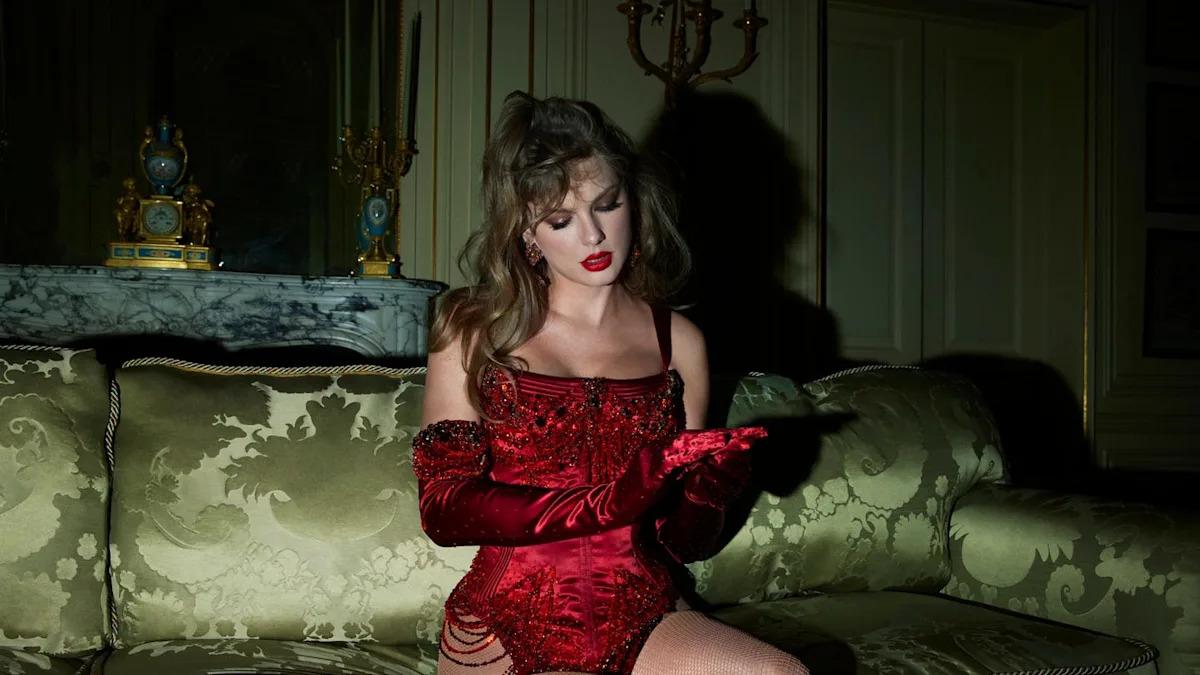
Swift, with her poignant lyricism and storytelling expertise, has been open about all the Shakespearean influences that found their way from her high school English class into her Grammy-winning albums and stadiums all across the world. Most recently, she pulled from Hamlet for the lead single of The Life of a Showgirl, using her sharp pen to write the character of Ophelia a new ending—saving her from the tragedy that ensued in Shakespeare’s pages à la her 2008 hit “Love Story,” where she put her own happily-ever-after spin on Romeo & Juliet. But in her new music video for “The Fate of Ophelia” she took things a step further, not only rewriting the story of Hamlet, but reimagining all the many artistic interpretations of the character throughout time.
After what must have been months of extensive research, Swift dove headfirst into the past four centuries-worth of Ophelia’s history, exploring all the different portrayals of Hamlet’s love interest over time—as well as the stars before her who resonated with the character’s fate. In her self-directed project, she brought them each to life, transforming into countless different personas in under five minutes.
In one scene, Swift channeled the classic 1852 Ophelia painting by British artist Sir John Everett Millais. A part of Tate Britain’s collection in London (coincidence?), the piece depicted a young red-haired girl floating in the river, singing herself to sleep moments before her untimely death. In her video, Swift paid homage to the work, donning a red wig and falling overboard into the ocean. In another, Swift seemingly played into French painter Pierre Auguste Cot’s 1870 Ophelia (Pause for Thought), wearing a long white dress with golden locks swept from her face, highlighting a haunting expression of innocence mixed with madness.
Elsewhere, she tapped into real life stories of starlets who faced similar tragedies, dressing as Marilyn Monroe with short platinum curls, embodying Elizabeth Taylor in a scene where ropes carry her on stage, and referencing Ronnie Spector in a Ronette’s nightclub. Through the video, Swift saved every version of Ophelia, and all the showgirls before her, from their Shakespearean fate.
Following its initial theater premiere during The Party of a Showgirl visual release, “The Fate of Ophelia” has officially landed on YouTube, giving everyone access to watch (or rewatch) the spectacle.
You Might Also Like
‘ The preceding article may include information circulated by third parties ’
‘ Some details of this article were extracted from the following source www.yahoo.com ’