Closure is an aspiration that is often unrealized when it comes to grief. Too many questions and plot holes remain in the aftermath of the end of life.
Imagine my surprise, then, when I found myself getting just that after watching “The Pitt.”
For reference, series regular Louie, a homeless alcoholic, finally succumbed to his disease in Season 2, Episode 6. He was kind and big-hearted, with a bright smile and a mysterious origin story. How could someone so personable and well-liked be in such an awful situation? He was a character we all wanted to see beat the odds.
But he didn’t. That wouldn’t have been realistic for “The Pitt,” a veritable masterclass in art imitating life.
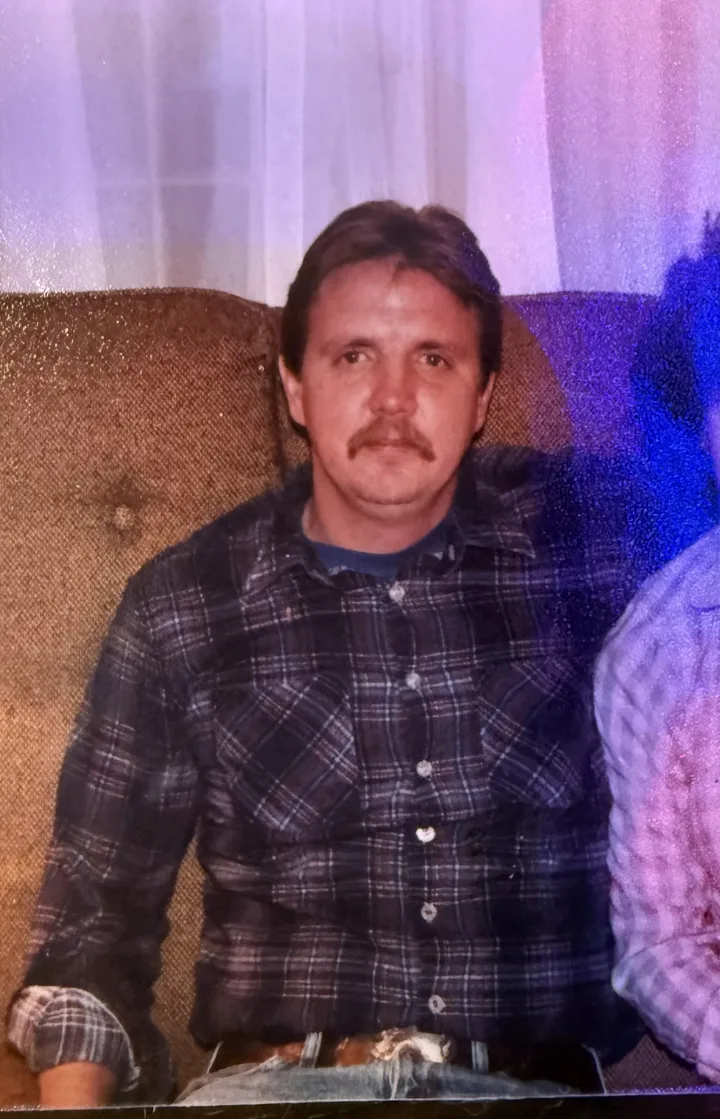
While I rooted for Louie to live, I knew better than most that it wasn’t possible. Almost 20 years ago, my oldest brother, Tommy, died from his alcoholism in a hospital surrounded by strangers.
He was the first of five kids and, without a doubt, the smartest. The kind of person who aced tests without studying. Who made friends without trying. He was a talented carpenter, outgoing with a booming laugh and a kind smile.

And though he was a beautiful, selfless soul, when Tommy drank, he became someone else. He couldn’t hold a job. He couldn’t keep promises to stay sober. He never had a place of his own. Instead, he’d float among family members until his disease made it impossible for him to stay.
He was an alcoholic brutalized by demons no one could help him fend off, no matter how hard we tried. You can’t love someone into sobriety, because if you could, Tommy would never have had another drop.
Between homes, he’d live on the street that would eventually become his permanent address. No one in our family knew where to find him. Every once in a while, someone would spot him living behind a building or store. Sometimes, we would read about an unidentified man having been found dead and try to find out if it might be Tommy. I remember my sister calling the police and asking if he had a vulture tattoo. It wasn’t him.
We were always waiting for the time when it was. It wasn’t a matter of if but when. Our mom was especially grieved at the prospect that he would simply never call or be seen again. And we would never know what happened.
In late September 2006, the waiting ended. A hospital called our other brother, the only one of us who still lived in New Jersey. Tommy had been under their care and had died from multi-organ failure. He was a few weeks shy of his 51st birthday.

There was relief in the knowing; death brought some closure. But grief brought questions. Why hadn’t he called Timmy before he died? He didn’t have to die surrounded by strangers.
It’s a sentiment that nestled in the back of my head as the years have passed. Until Louie died on “The Pitt,” and as the credits rolled, my tears became something much more than empathy for a fictional character. They became grief renewed.
Because Louie didn’t die alone. He was surrounded by people who cared for and about him. They mourned him. They would miss him.
I would like to believe that this fictional medical crew was a mirror of the real one who took care of Tommy. That in the moments before or after his death, someone cleaned him and sent him into the afterlife with dignity and kind words. They held his hand. That while he was alive, they showed him compassion that is not often directed toward those who live on the street.
“The Pitt” reminds us that every human has an origin story.
Though I don’t know if there was any one thing that drove Tommy’s alcoholism, except for shitty genetics, I hope that on one of his visits, Tommy found someone to confide in. Unloaded whatever burdened him. And that they listened and empathized.
Even those who are lost to their families, as Tommy was, are worthwhile and deserving of grace, respect and care.
I realized partway through my breakdown that it wasn’t just sorrow fueling that pain but also peace. Because “The Pitt” changed the narrative that Tommy died in a cold, dark place surrounded by strangers; I think it’s more likely that he had been cared for by good people, each with their own demons, but kind and compassionate enough to be there when he slipped his earthly bonds and went on to something far better.
‘ The preceding article may include information circulated by third parties ’
‘ Some details of this article were extracted from the following source www.celebrity.land ’