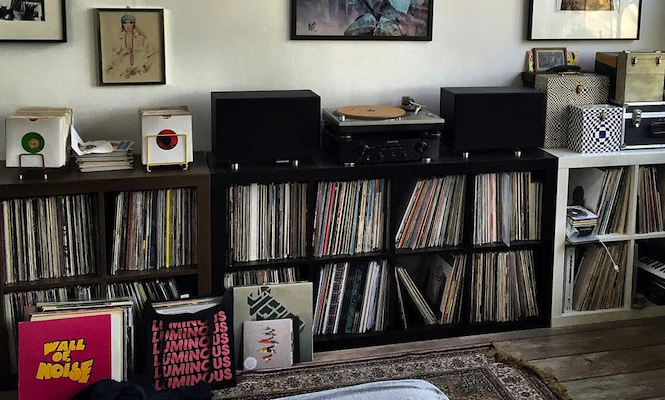
In an age where music is just a tap away, it might seem strange that vinyl records (bulky, fragile, and decades old) are making a comeback. Yet against all odds, vinyl is not only surviving, but thriving. This revival says something deeper about how people want to experience music in a digital world. I have been collecting vinyl for almost ten years now, and it is super fun to find everything from oldies that your grandparents used to listen to, all the way up to new releases from artists today.
So why are people returning to a format that many considered obsolete?
Part of the answer lies in what digital music lacks: physically operating an audio component to listen. Streaming platforms offer millions of songs instantly, but they also reduce music to background noise, something easily skipped, shuffled and forgotten. Vinyl, by contrast, demands attention. You have to choose a record, place it on a turntable, and listen intentionally. That ritual transforms music from passive consumption into an experience.
There is also the appeal of ownership. In a world where playlists can disappear and subscriptions can expire, vinyl offers something permanent. A record collection is physical proof of personal taste; something you can hold, display, and revisit. This sense of ownership is especially attractive to younger listeners. Surprisingly, much of vinyl’s growth is driven by Gen Z, a generation raised entirely on digital technology but increasingly drawn to analog authenticity.
Nostalgia plays a role as well, but it is not just about longing for the past. Vinyl represents a different relationship with music, one that feels more deliberate and meaningful. Limited editions, album artwork, and record sleeve notes all add layers that streaming cannot replicate. Artists have noticed this too, releasing special vinyl versions to connect more deeply with fans.
However, the comeback hasn’t been entirely smooth. Vinyl remains a small fraction of the overall music market, with streaming accounting for the vast majority of revenue. Records are also expensive, often costing far more than a monthly streaming subscription. This raises the question: Is vinyl’s resurgence sustainable, or is it simply a trend fueled by novelty?
Even so, the continued growth suggests something more enduring. Vinyl is not replacing digital music, it’s complementing it. People stream for convenience but turn to vinyl for the authentic connection. The two formats serve different purposes, and together they reflect the complexity of modern listening habits.
Ultimately, the return of vinyl shows that progress does not always mean abandoning the past. Sometimes, older technologies resurface because they offer something we did not realize we were missing. In the case of vinyl, that something is not just sound but the experience of truly listening.
‘ The preceding article may include information circulated by third parties ’
‘ Some details of this article were extracted from the following source sonomastatestar.com ’