As many of us try to decide on New Year’s resolutions, mine has dropped in my lap.
For the coming year, I’m going to try recording every book I read. The idea was prompted by my two recent columns about Louisiana readers who have found value in these kinds of reading journals.
In September, I wrote about Linda Lightfoot, a retired newspaper editor who since 2005 has kept a list of books she’s read. Lightfoot, my friend and former boss, told me she wasn’t keeping her reading journal to learn more about herself. She reads a good bit, and the journal is a way to remind her of books already read — and perhaps not worth reading again. But Lightfoot, now 84, said that keeping a reading journal has yielded an insight.
“The thing that strikes me,” she told me, “is that even though I’m old, I still like to learn.”
I also wrote recently about Tricia Day, whose mother, Kitty, kept a reading journal from 1937 until her death in 2007.
“Inspired by my mother’s journal, I started my own list in 1979,” Day told me. “I recorded my books by author and title, so that I could easily check to see if I had read something if I could only remember the author or the title. What I should have recorded were the picture books I read to my three children, as often those were the only books I read for months at a time.”
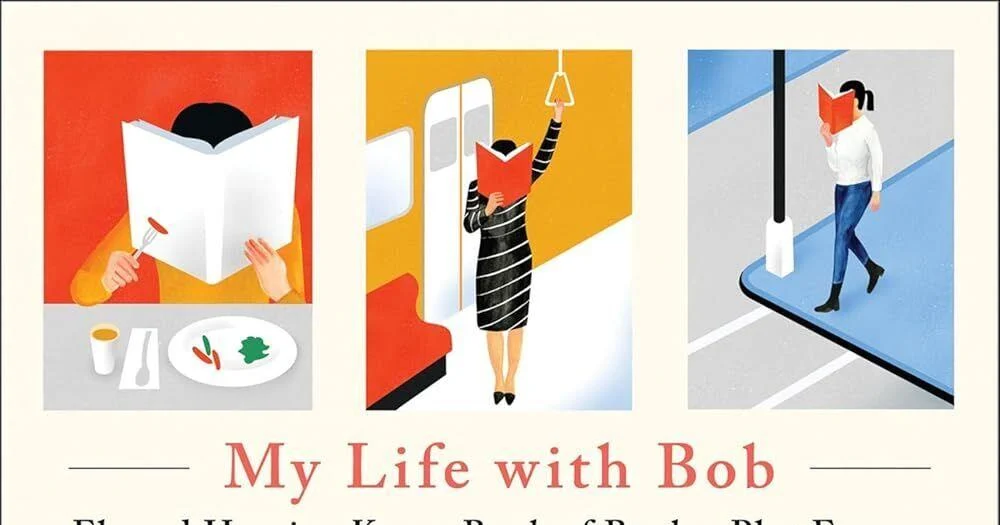
Talking with these Louisiana readers made me think about “My Life With Bob,” Pamela Paul’s 2017 book about a reading journal she started in high school.
“Bob” is an acronym for Paul’s “Book of Books,” which she describes as “a bound record of everything I’ve read or didn’t quite finish reading since the summer of 1988.”
Paul’s reading life has been especially noteworthy. She edited The New York Times Book Review and was a columnist for the paper before moving to The Wall Street Journal.
“I don’t know where I’d be without Bob and where I’d have been if he hadn’t been there,” Paul writes. “Bob may be a record of other people’s stories, but he’s mine. If there’s any book that tells me my own story, it’s this one.”
Paul’s comments reminded me of David McCullough, the popular biographer who argued that people are what they read. To research his biography of John Adams, McCullough immersed himself in Adams’ favorite books. Scanning McCullough’s list of his own personal favorites in “History Matters,” a posthumous collection of the author’s writings that came out this year, I got a better sense of how McCullough thought and worked.
Will keeping a reading journal teach me anything about myself? I’m not sure, and I’m equally uncertain whether I’ll have the discipline to keep up a record of what I read.
But let me start, and I’ll tell you how things turn out.
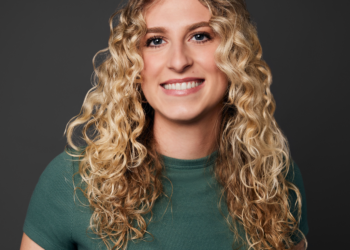
Email Danny Heitman at [email protected].
‘ The preceding article may include information circulated by third parties ’
‘ Some details of this article were extracted from the following source www.nola.com ’