The controversy surrounding singer Mai Am Nhac’s private messages berating an anti-fan has left many members of the public frustrated. History has repeatedly shown that when artists engage in online battles with critics, the outcome is almost always futile and self-defeating.
Mai Am Nhac sends abusive messages to a critic
Social media has been buzzing over reports that singer Mai Am Nhac, now performing under the stage name MAYonair, privately messaged a social media user with a series of harsh insults.
The incident began after MAYonair posted on Threads: “No one in Vietnam listens to MAYonair’s music, right? It’s quite niche,” joining a popular trend in which users highlight products, services or creative works they believe deserve wider recognition.
Instead of the positive response she may have expected, the post attracted a wave of criticism, with users describing her music as weak, her rap delivery difficult to listen to and her singing unimpressive.
MAYonair personally responded to many negative comments. She accused critics of being arrogant and emotionally immature, posted a photo making an obscene hand gesture and even attached affiliate marketing links while responding.
More notably, a user identified as thbihn*** shared screenshots allegedly showing private messages sent from MAYonair’s verified Threads account.
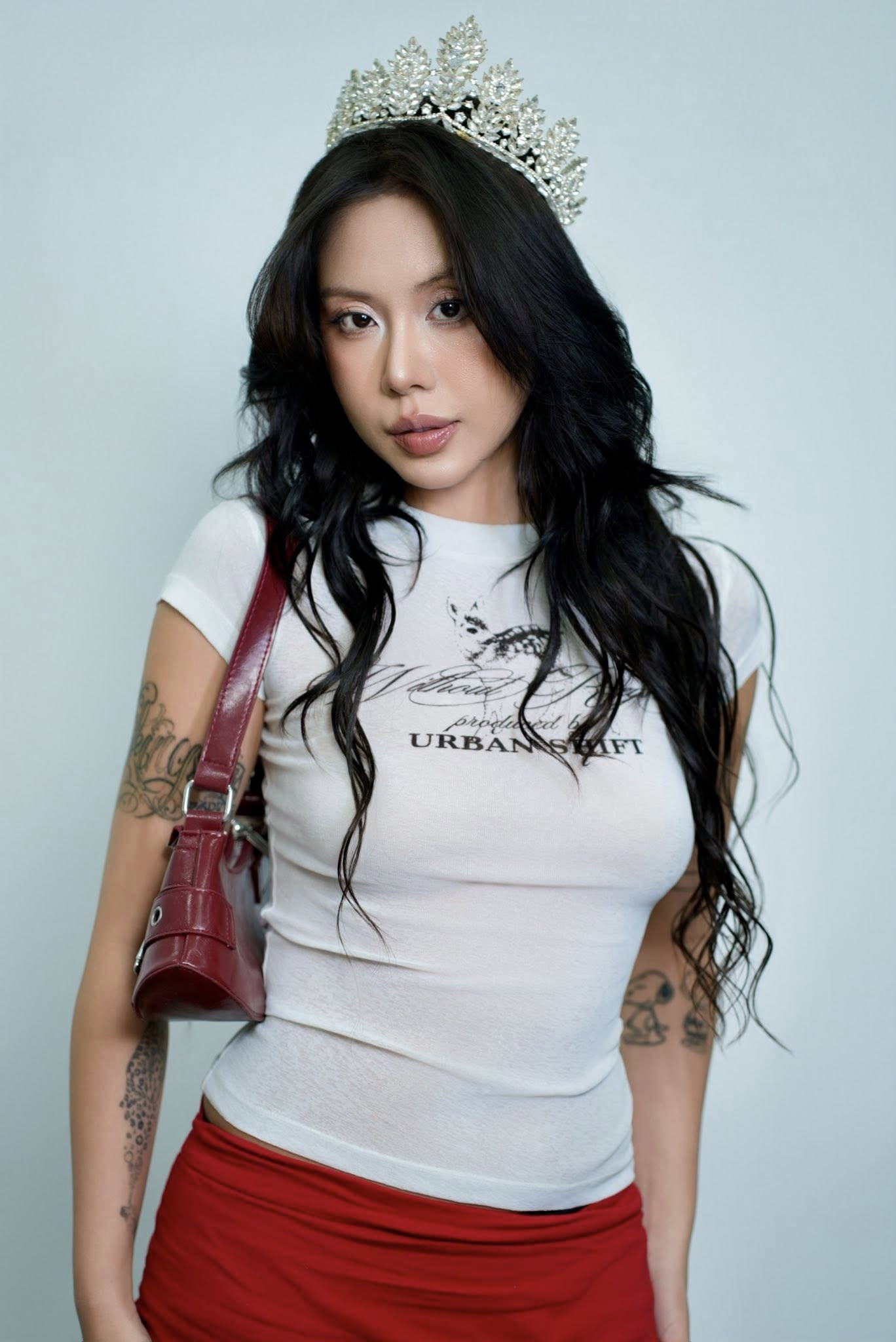
Mai Am Nhac, now known as MAYonair, previously competed on Rap Viet. Photo: FBNV
According to the screenshots, the singer used profane language and delivered a stream of aggressive insults toward the recipient.
The post quickly amassed more than 40,000 likes and became one of the platform’s trending topics over the past two days. Many users expressed disbelief at what they viewed as impulsive and unprofessional behavior from a public figure.
This is not the first time MAYonair has generated controversy through her online conduct. On Threads, where she often refers to herself as a “positive woman,” she has repeatedly drawn attention for argumentative exchanges with users.
When she released the music video Biet Choi in July 2025, she responded directly to YouTube comments regardless of whether they were constructive criticism or outright negativity. In May of the same year, she even filmed a video addressing critics who mocked her dancing.
Refusing to back down
Before MAYonair, many other Vietnamese entertainers became controversial – and in some cases developed a reputation – for refusing to back down from anti-fans.
Veteran artists such as Duy Manh, Dam Vinh Hung, Ho Ngoc Ha, Khac Viet, Vu Ha, Ly Nha Ky and Tuan Hung, despite their popularity and years of experience, have all at times responded to critics with rude or inappropriate language.
More recently, singer Le Quyen has become one of the most visible examples through a series of ongoing social media disputes. In January, she mistakenly insulted a fan using language widely viewed as derogatory and offensive, including comments about the person’s family background.
The incident triggered widespread criticism. According to communication experts, the harshness of her comments crossed the line from ordinary disagreement into personal attacks. Following the backlash, the Ho Chi Minh City Department of Culture and Sports formally reminded her to uphold ethical standards and maintain respectful public behavior.
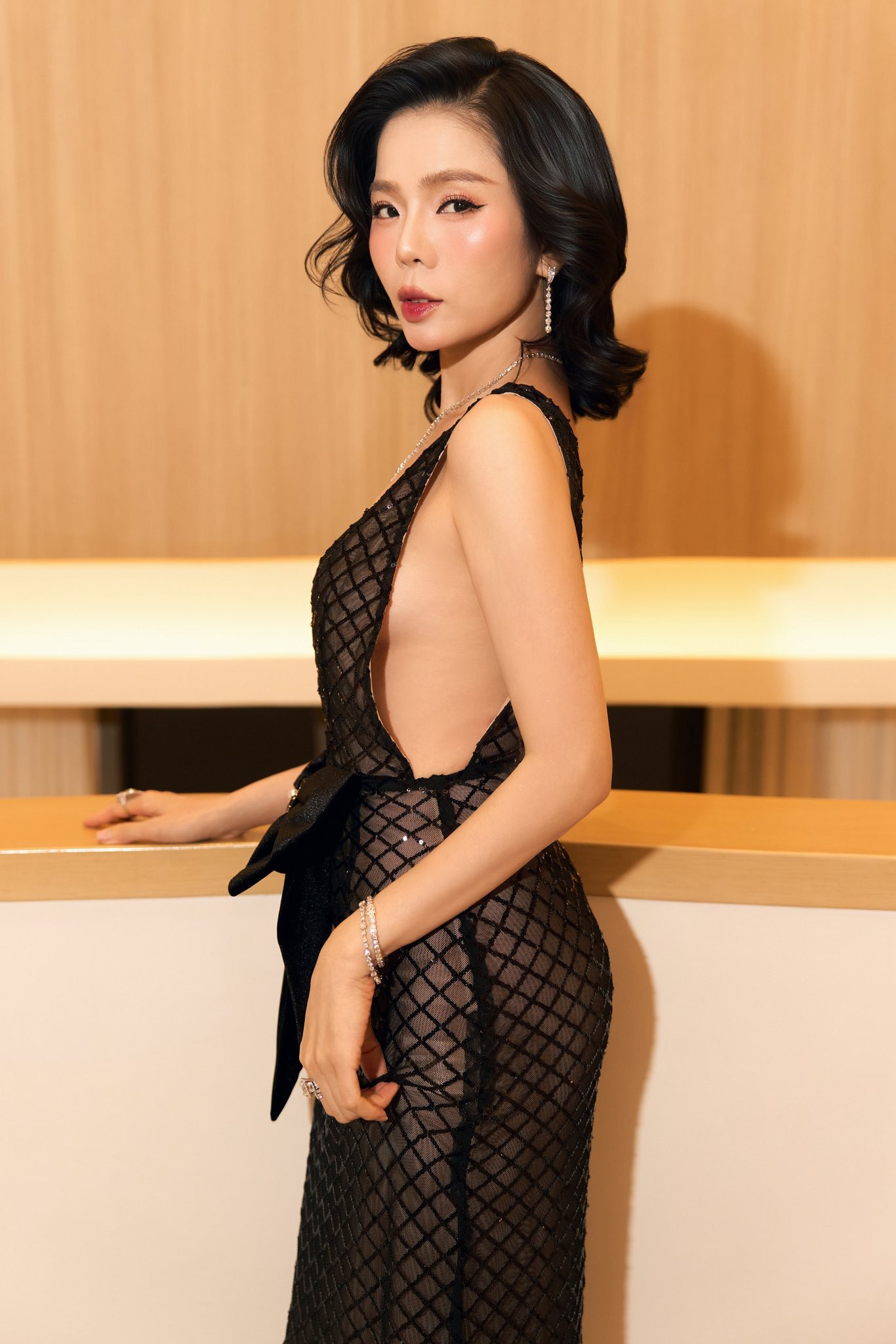
Le Quyen was recently reminded by Ho Chi Minh City authorities to improve her ethics and maintain civilized public conduct. Photo: Archive.
Singer Noo Phuoc Thinh has also developed a reputation for being highly reactive to criticism. He drew attention in 2017 after harshly responding to an anti-fan who mockingly referred to him as “Sister Thinh” and later telling offensive commenters to “pick up trash and clean toilets.”
Singer Phuong Linh has likewise engaged in frequent exchanges with critics. However, she has largely avoided major controversy because she generally maintains a more measured tone and language.
A losing battle
Born in 1997, Mai Am Nhac first gained popularity as an internet personality known for creating viral trends on TikTok and Facebook. She later pursued music professionally and became more widely recognized after appearing on the second season of Rap Viet, although she exited the competition relatively early.
In 2023, she adopted the stage name MAYonair, expanded her music career and participated in television programs including San Dau Vu Dao and Street Dance Queen.
Despite these efforts, most of her music releases have delivered underwhelming results. Ironically, her online arguments – culminating in the recent messaging controversy – have attracted far more attention than her artistic output.
From a psychological perspective, people naturally pay more attention to negative content such as criticism than to positive feedback.
When artists become consumed with responding to every hostile comment, they risk allowing ego and self-defense instincts to override reason. In some cases, it may even signal an inability to manage emotions under public pressure.
From a communications standpoint, when a celebrity with significant influence adopts the same vulgar language used by anonymous online accounts, they effectively lower their own public image to the level of those attacking them.
In the end, the lasting impression on the internet is often not that the artist was provoked, but that the artist used offensive language and behaved poorly.
Communications expert Nguyen Ngoc Long has previously argued that anti-fan communities thrive on content.
The more celebrities engage in tit-for-tat exchanges, the more likely they are to become trapped in a never-ending cycle: criticism, retaliation, screenshots and viral sharing. By that point, they are effectively investing their own time and energy into amplifying their opponents.
It is also important to remember that social media platforms operate on engagement metrics. Posts that generate hundreds of heated comments are often identified by algorithms as highly engaging content and are pushed to even larger audiences.
As a result, public arguments frequently add fuel to the fire, exposing negative stories to countless neutral viewers who otherwise might never have encountered them.
Years of celebrity feuds with anti-fans have demonstrated the same lesson repeatedly: these conflicts are pointless, unequal and ultimately unwinnable. They neither eliminate the source of criticism nor protect the artist from long-term consequences.
Many entertainers who attempted to retaliate against anti-fans ended up suffering the most damage themselves – alienating audiences, tarnishing their reputations and creating controversies that continue to follow them for years.
Mi Le
‘ The preceding article may include information circulated by third parties ’
‘ Some details of this article were extracted from the following source vietnamnet.vn ’