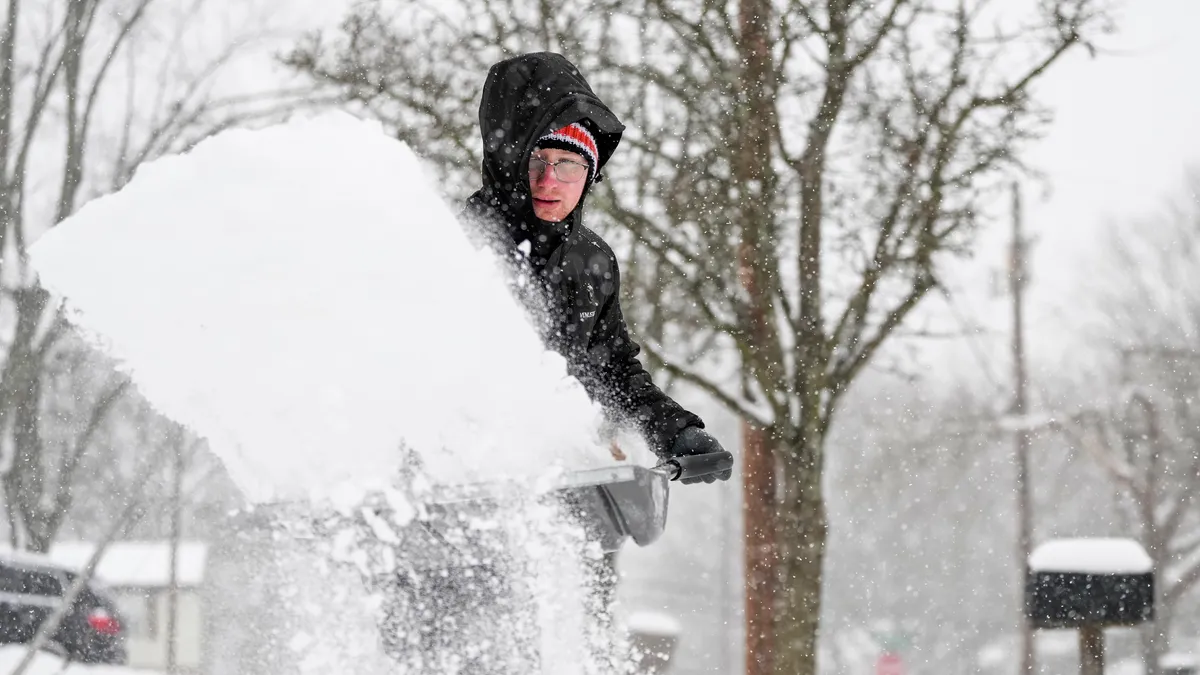
This week as I sat down to write this article, we were all preparing for one of the worst winter storms we have experienced. While you were barricaded inside of your homes, you hopefully made the most of your time.
In times like these, it is very important to keep our minds busy. Idle minds allow for anxieties to enter. During severe winter storms like these, plant lovers can develop anxiety over the plants they know are outside. This week I hope I can reduce some of this anxiety.
At this moment when looking at the forecast over the next week, no one needs to be concerned about the snow as related to the plants in your landscape. The snow is the best thing that can happen to your plants ahead of the sub-zero temperatures that are predicted. The snow creates a layer of insulation protecting the plants below from the cold air above.
When we experience these weather events, I find myself doing some research. In January our average high temperatures range between 38 to 41 degrees. Our average low temperatures range between 22 to 25 degrees. January is always our coldest month. The temperatures we have been experiencing are well below these average temperatures.
This is where the concern can enter the conversation. The term that describes if a plant can survive the winter is “hardy.” This term is sometimes misused to describe how easy a plant is to grow. Hardy is really only related to a particular plant’s ability to survive severe cold temperatures dependent upon where you live.
The United States of Department of Agriculture has a map the show different hardiness zones throughout the country. The zones are numbered ranging from 1 being the coldest to 13 being the warmest. Of course, these run from north to south. The temperature related to the zone is when a plant wouldn’t be expected to survive. Zone 1 is -55 to -60. Zone 13 is 65 to 70 degrees. Quite a wide range, isn’t it?
All of Ohio and most of Indiana are in zone 6. Each zone is subdivided into two ranges list as “a” and “b.” Zone 6a is rated as -10 to -5. Zone 6b is rated as -5 to 0. Northern parts of Kentucky are also zone 6b. Southern parts of Kentucky are 7a which is rated as 0 to 5 degrees.
Now the question is will plants be damaged? As long as the plants in your landscape are rated for zone 6 or less, they should be fine. Especially with the thick layer of snow keeping the really cold away.
Notice how I said, zone 6 or less? I said this because you most likely have some plants in your yard that could grow in zone 5 or zone 4.
There are plants that could possibly be affected by the extreme cold weather. These are plants are not hardy for zone 6. Most people don’t even know they have them. Some are honest mistakes made by the sellers as they did not know exactly what they were ordering. This mistake could also be made when buying plants online.
An example could be a Crape Myrtle. There are hundreds of different varieties available in the U.S. with less than 15 that are hardy in zones 6. A plant buyer working for a company could mistakenly order a zone 7. Other plants known to grow in southern climates could also fall into this trap.
You might also have a plant or two that wasn’t in the best of health going into the winter. These plants could be vulnerable also. Whatever the situation is in your landscape all we can do now is patiently wait for the arrival of spring. That is when we will know what if any impact this extreme weather has had on our plants.
‘ The preceding article may include information circulated by third parties ’
‘ Some details of this article were extracted from the following source www.cincinnati.com ’