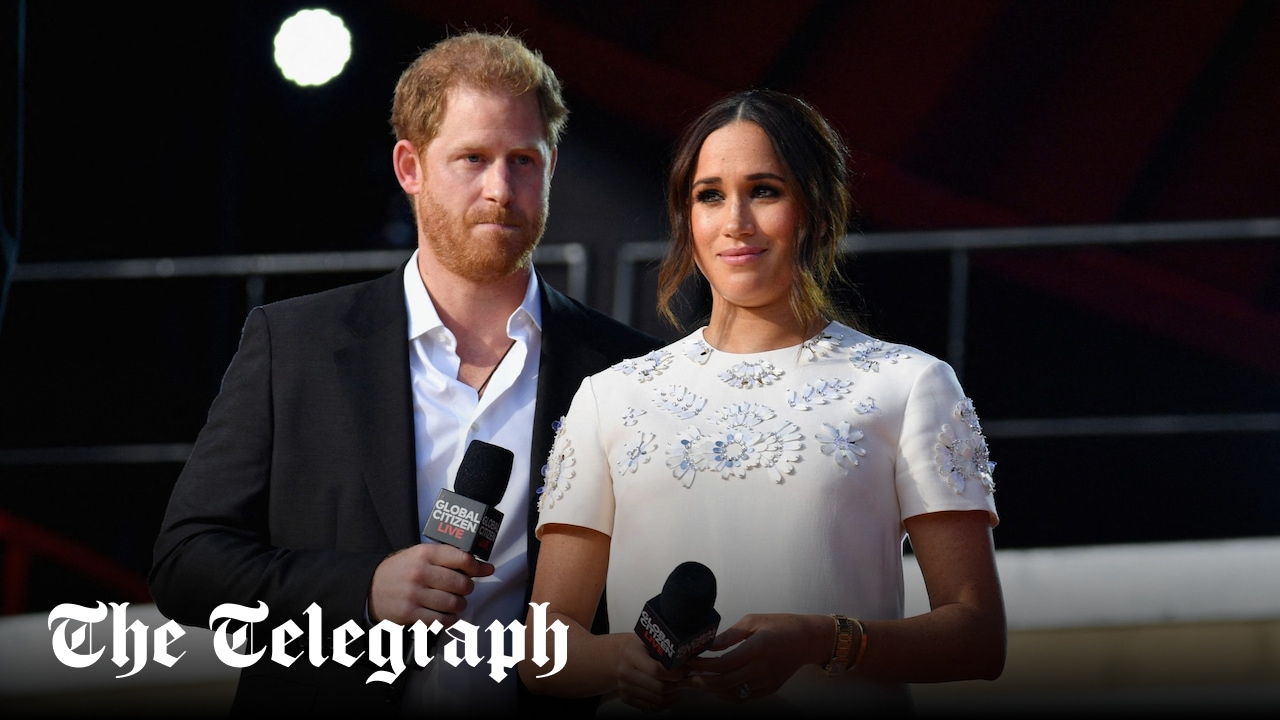
“We’re done.” This terse quote, delivered to the film industry magazine Variety by an anonymous Netflix insider, is a predictable, probably even inevitable, judgment on the deal that was struck with Prince Harry and his wife, Meghan Markle, by the streaming service in 2020. Back then, shortly after their quasi-abdication from the Royal family, the exiled Duke and Duchess of Sussex were the hottest properties not only in the entertainment industry but in business circles as well. Every major company competed to get a piece of the pair, and Netflix’s chequebook proved to be more tempting than the others. Yet, six years and many jam jars later, the love affair has soured beyond repair. How did it all go so horribly wrong? And why was it ever considered a good idea?
Without wishing to rehash the reasons for Megxit, it gave the advantage to Harry and Meghan, allowing them to tell “their truth” without being challenged by the Royal family, who were blindsided by the couple’s decision.
Yet even as the Sussexes left Britain for Montecito, California, in March 2020, just as Covid changed the world, they knew that they had both a narrative and evidence to support that narrative – not least intimate and candid videos shot by Harry – that would be catnip for any broadcaster. At a strange time, when the world shut its doors, they were courted by every major Hollywood production company, including Disney and Warner Bros Discovery, whose ambitious chief executive, David Zaslav, believed that the Sussexes would be an unparalleled asset for his planned streaming service, HBO Max.
In the end, however, it was Ted Sarandos, Netflix’s buccaneering chief executive, who offered the pair a staggeringly generous deal, estimated to be around $60m (£45m). Not only would this secure the first docuseries featuring the couple, but the idea was to develop a range of films, television series and other documentaries under their newly formed Archewell Productions banner. Proving the Sussexes’ staggering grandiosity and lack of self-awareness, they issued a statement promising to focus on “creating content that informs but also gives hope”, using “powerful storytelling through a truthful and relatable lens”.
Noble and lofty ideals, but they were swiftly undercut by the duo giving a high-profile interview to Oprah Winfrey in March 2021, on the rival CBS channel, for which they did not take any payment. Publicly, Netflix and Sarandos suggested that they were relaxed about the interview, which was covered by the terms of the arrangement that they signed; Harry and Meghan reserved the rights to pursue other projects with other companies, which included giving interviews elsewhere and what would become a short-lived series of Spotify podcasts for her.
‘ The preceding article may include information circulated by third parties ’
‘ Some details of this article were extracted from the following source www.telegraph.co.uk ’