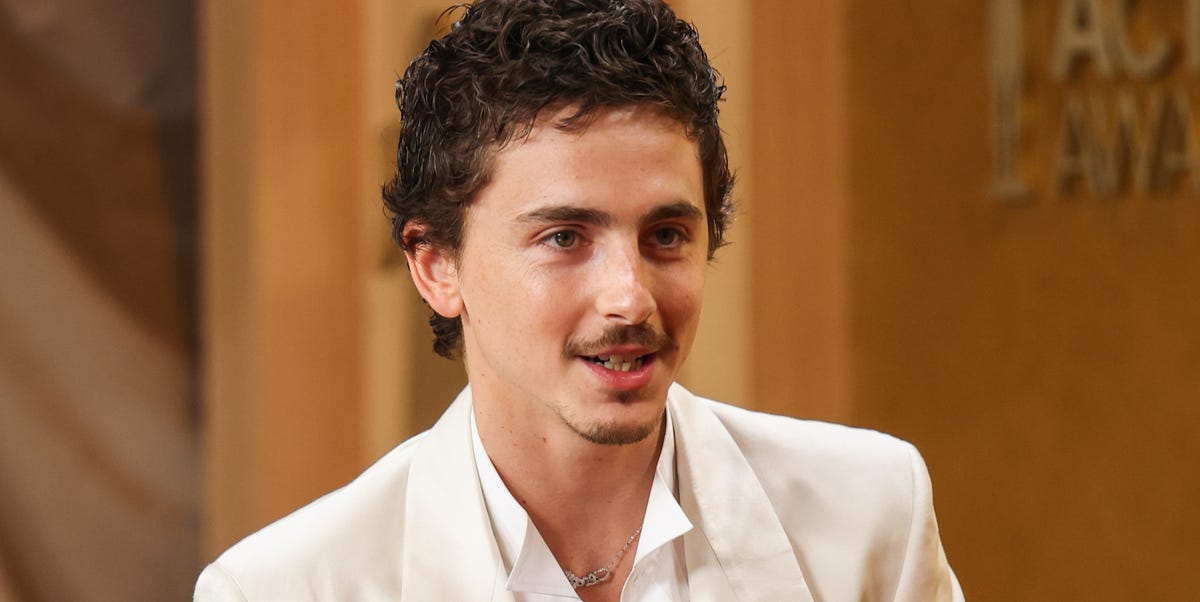
In my years at Esquire, there is no celebrity I have covered more than Timothée Chalamet. The 30-year-old actor has just been in a lot of good stuff: Luca Guadagnino’s Bones and All, timeless musical Wonka (we’re all still watching it, right?), Denis Villeneuve’s adaptations of Dune. The four-time (!) Oscar nominee also talks… a lot. About wanting to be “one of the greats.” (He was talking about actors, and people generally liked that comment). About ripping up acceptance speeches when you lose. (People, or at least I, appreciated the honest insight into awards season.) And now, a little diatribe absolutely hating the centuries-old art forms of opera and ballet.
Wait. People do not like this one.
In a town hall (how corporate!) hosted by Variety and celebrity.land, Chalamet and Matthew McConaughey went deep on the movies business. There is a connection: they met on the Christopher Nolan film Interstellar. Actor-on-actor interviews can be a little dreary, but this conversation is actually diverting. The offending clip takes place at the 50-minute mark, in a discussion about audience’s diminishing attention spans. McConaughey raises the topic. He wonders if, in an age of short-form social media content, we are losing the patience for “act ones.” “It’s the first thing that a studio wants to get rid of,” he says.
Chalamet’s response is twofold. He recalls reading an article about a “Netflix production guideline” that advised putting their “biggest action set pieces up front.” He continues, “The logic used to be: save your big action set piece for the end of a movie. You save the fireworks for the end. But now they want something up front.”
But Chalamet also believes that Gen-Z audiences are “desiring things that are more patient and that pull you in.” He uses the example of Guillermo del Toro’s Frankenstein, starring Oscar Isaac and Jacob Elordi, as a film that that did exactly that. Chalamet sounds like someone who takes his industry seriously, and that’s refreshing and reasonable to hear.
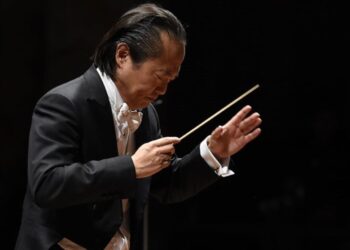
Then Chalamet takes a riskier path, positioning himself between those two groups. He wants the genre to remain healthy, but he also wants people to go the pictures. “I don’t want to be working in ballet or opera or things where it’s like, ‘Hey, keep this thing alive,’ even though it’s like, ‘No one cares about this anymore,’” Chalamet says. “All respect to the ballet and opera people out there. I just lost 14 cents in viewership.” (I should point out that the audience laughts at this comment: it’s kind of funny in a jerky way!)
The backlash has been swift. Institutions such as New York’s Metropolitan Opera and London’s Royal Ballet and Opera have made social media posts about Chalamet—though many are good-humored about the whole thing. On X and Instagram, people who have never posted about opera and ballet have defended those noble art forms. Some commentators have proclaimed that this gaffe has lost Chalamet his Oscar for Marty Supreme.
Has Chalamet lost his Oscar? Maybe. The closing date for Oscar voting was last Thursday and while this video was published twelve days ago, the furor majorly kicked off over the weekend. But I suspect the actor lost the golden man, without just cause, during his early rise. You simply cannot ascend so quickly and with so few barriers without crashing down at some point. Chalamet’s recent “offenses”—dating a Jenner, wearing goofy outfits, being honest about his ambitions—have set him up to fall at this relatively inoffensive comment.
Look, Chalamet has hardly done either industry in. IBballet and opera had their own problems, which predate last week. Tickets at the Metropolitan Opera start at $25, but I am not sure altitude sickness pills are included with those nosebleeds. Upper end is often in the low hundreds. Understandably—and I say this as someone who occasionally goes to ballet and opera—those prices create a narrow (in all senses) audience base.
What the actor has done is generate a lot of noise around ballet and opera. A good thing, no? (Imagine if every single outraged person had bought a ticket! No marketing needed for 2026.) And, as with any scandal, it is worth delineating the emotions. Are people really this passionate about the arts? Or are they just looking for a punching bag?
I shall leave you with this comparison. The Met Opera’s video, captioned “This one’s for you, @tchalamet” and contained video clips of the opera’s cast and crew, was posted three days ago and has amassed over 400,000 likes. The previous post, advertising the opening of Wagner’s Tristan und Isolde? 3,000 likes.
‘ The preceding article may include information circulated by third parties ’
‘ Some details of this article were extracted from the following source www.esquire.com ’