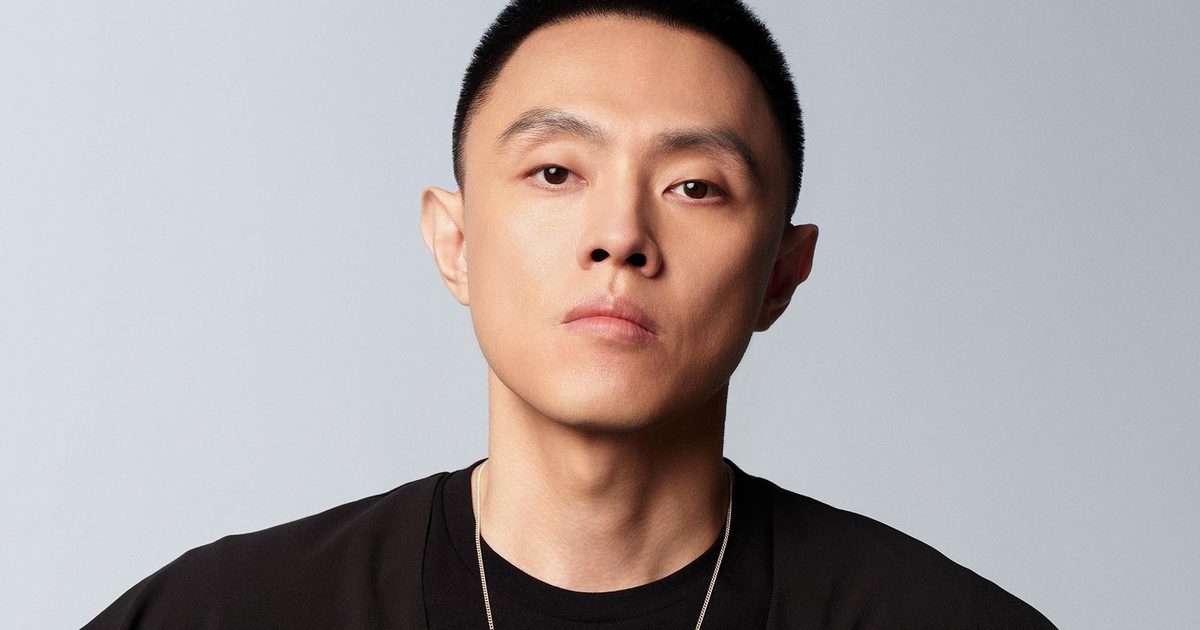
Instead, he sees himself less as a central figure and more as a connector. “I’d rather see myself as a bridge,” he says. “A lot of what I do is really about connecting different worlds: China and the international scene, established artists and emerging talent, music and culture, creativity and business.”
For ZHANG YE, the larger issue is that global audiences still misunderstand where Chinese electronic music currently stands. “There’s a very raw creative energy in the Chinese scene at the moment,” he says. “China’s electronic scene is still relatively young and I actually think that’s an advantage. Because it hasn’t been locked into rigid genre traditions yet, there’s a huge amount of experimentation happening right now.”
He points to a younger generation of Chinese producers blending internet culture, emotional storytelling, pop references, and unconventional sonic ideas into electronic music at a rapid pace.
“The next step for Chinese electronic music isn’t just about ‘going global,’” he says. “It’s about building a real artistic identity on the global stage, not through cliché East-meets-West aesthetics and not by copying existing Western formulas, but by creating a sound that feels genuinely contemporary, personal and reflective of this generation of Chinese creators.”
That evolution, he believes, has accelerated dramatically over the last decade. “If I look back at Chinese electronic music ten years ago, I’d say that period was really about building the infrastructure,” he explains. “The key words back then were scale and spectacle. Bigger drops, bigger stages, bigger energy.”
But over time, the scene began evolving beyond pure festival functionality. “People started paying more attention to sound design, visual systems, world-building, stage language and even the artist’s personality and emotional perspective,” he says. “I think Chinese electronic music is slowly evolving from functional music into cultural music.”
He believes younger Chinese artists are also approaching global identity differently than previous generations. “In the past, many Chinese artists instinctively believed that being ‘international’ meant sounding Western,” he says. “But now, more and more young producers are realising that the most global work is often the most personal and the most rooted in your own perspective.”
That philosophy directly informs his own music. “I think the most powerful music always holds two things at the same time,” he says. “It feels deeply personal, but it also feels universal.”
‘ The preceding article may include information circulated by third parties ’
‘ Some details of this article were extracted from the following source www.beatportal.com ’