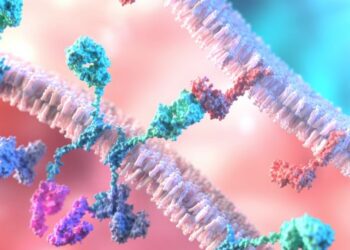
Why it matters: The deal accelerates Thalia’s development timeline by several years and gives the company a clinical-stage asset. It also broadens Thalia’s RNA portfolio by adding a microRNA-based therapy alongside its preclinical siRNA programmes.
Zoom in: Alongside the acquisition, Thalia raised £2.75 million (€2.4m) in an oversubscribed financing round. The company says the funding should support operations through mid-2027, including completion of the ongoing phase 1 study of miRisten in relapsed or refractory AML. Topline data are expected in the first half of 2027.
How it works: MiRisten is an anti-miRNA therapy that inhibits microRNA-126, an RNA molecule implicated in the survival of leukemia stem cells in AML. While siRNA therapies silence messenger RNA targets, anti-miRNA therapies aim to block disease-associated microRNAs that can regulate multiple downstream pathways.
The context: Several siRNA drugs have reached the market, but microRNA therapeutics have had a more difficult path. A number of early programmes encountered safety and delivery challenges, leaving the field with relatively few clinical-stage assets.
- MRX34 (Mirna Therapeutics): The first microRNA therapy to enter clinical testing. The miR-34a mimic showed early signs of activity in cancer but its phase 1 trial was halted after severe immune-related adverse events, including several treatment-related deaths.
- RG-101 (Regulus Therapeutics): An anti-miR-122 therapy for hepatitis C that initially produced promising antiviral responses. Development was later interrupted by the FDA following cases of severe hyperbilirubinemia and finally discontinued.
- Cobomarsen (Miragen Therapeutics): An anti-miR-155 therapy that advanced into phase 2 studies in hematological cancers but was ultimately discontinued as the company communicated the results weren’t compelling for the study’s primary endpoint.
Backstory: Thalia also carries a longer and uneven corporate history. The company was most recently known as N4 Pharma, but its history goes back through several earlier public-market incarnations (including manufacturing CRT monitors) before settling on nucleic acid delivery.
What they’re saying: “This is an exciting and transformative opportunity to accelerate our clinical-stage oncology pipeline and diversify our RNA therapeutics pipeline. The Sanmirna acquisition is value accretive for Thalia shareholders, as it transforms Thalia into a clinical-stage company developing a promising novel therapeutic approach to treat AML,” said CEO David Solomon.
Yes, but: MiRisten remains an early-stage programme. The ongoing phase 1 trial is primarily designed to evaluate safety and generate initial efficacy signals, meaning clinical proof-of-concept is still some distance away.
Keep an eye on: The acquisition accelerates Thalia’s route into the clinic and gives it a second RNA modality, but the near-term success of the deal depends on whether miRisten can deliver encouraging phase 1 data in AML next year.
‘ Este Articulo puede contener información publicada por terceros, algunos detalles de este articulo fueron extraídos de la siguiente fuente: european-biotechnology.com ’