Hollywood has always been a place where image and identity carry as much weight as talent. For decades, actors with ethnic, foreign, or difficult-to-pronounce names were often encouraged to adopt stage names that sounded more “marketable” to American audiences. In some cases, the changes were subtle. In others, the stars completely erased their birth names in favor of identities that became iconic in entertainment history.
Over time, these changes became part of the hidden architecture of classic and modern stardom. Behind many familiar marquee names lies a birth certificate that tells a very different story. These transformations were not always about vanity or reinvention for its own sake, but often about survival in a highly competitive industry. Casting directors, studio executives, and even agents frequently influenced or outright demanded name changes. What emerged was a generation of actors whose screen identities became more famous than the names they were born with.
Martin Sheen
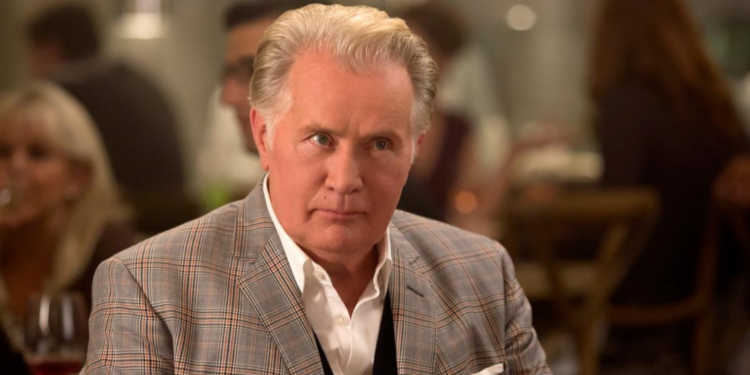
Long before he became known as Martin Sheen, the actor was born Ramón Antonio Gerardo Estévez. The son of a Spanish immigrant father, Sheen adopted a stage name early in his career after facing discrimination during auditions. Although he changed his professional name, he never legally changed it. Interestingly, his son, Charlie Sheen, followed the same path, while another son, Emilio Estevez, kept the family surname for his acting career. With a career spanning over six decades, Martin Sheen’s new identity became attached to acclaimed projects like Apocalypse Now and The West Wing.

Charlie Sheen

Charlie Sheen was born Carlos Irwin Estévez but chose to use his father’s adopted surname when he entered Hollywood. At the time, the entertainment industry still leaned heavily toward easily recognizable Americanized names. The choice worked commercially, as Sheen became one of television’s highest-paid actors during the success of Two and a Half Men. Despite using “Sheen” professionally, he has occasionally spoken about his connection to the Estévez family name and heritage.
Ben Kingsley
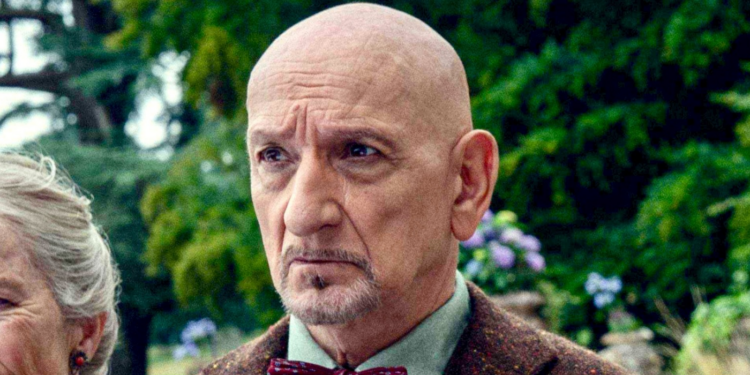
Oscar-winning actor Ben Kingsley was born Krishna Pandit Bhanji to a family of Indian and British heritage. Early in his acting career, he believed a more traditionally English name would help him secure better opportunities in film and theater. The change proved significant for his career trajectory. Kingsley eventually became one of the most respected actors of his generation, earning global recognition for his portrayal of Mahatma Gandhi in the 1982 film Gandhi.
Natalie Portman
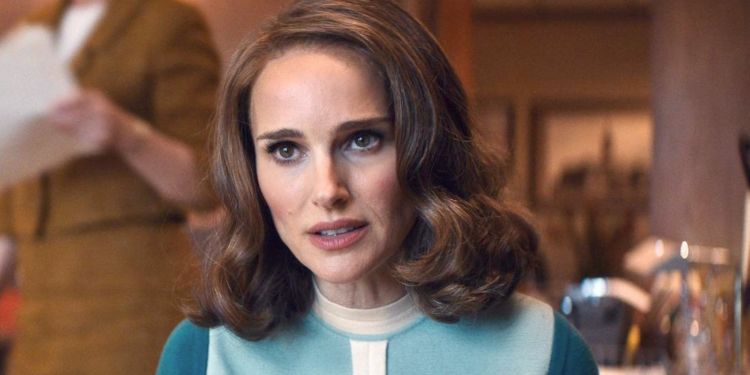
Before becoming an Academy Award-winning actress, Natalie Portman was known as Natalie Hershlag. Born in Israel, she chose “Portman,” her grandmother’s maiden name, when she began acting as a child. The actress once explained that she wanted a level of privacy between her public image and personal life. The stage name helped create that separation while also giving Hollywood audiences a simpler surname to remember. Today, Natalie Portman is one of the industry’s most recognizable stars.
Helen Mirren
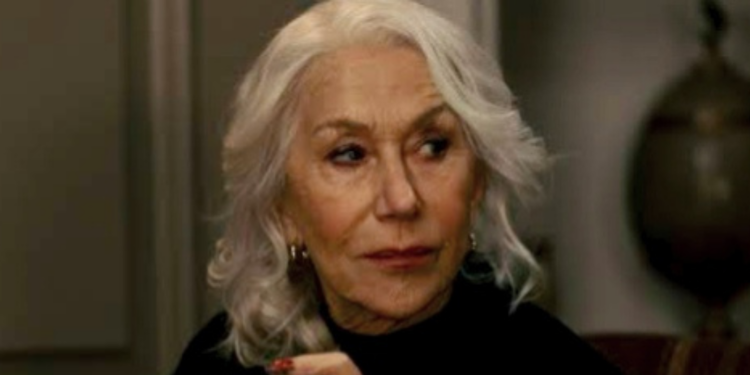
Helen Mirren was born Ilyena Lydia Mironov to a Russian immigrant father. Her family later anglicized their surname from Mironov to Mirren during a period when many immigrant families attempted to blend more easily into British society. The change happened before her acting career fully took off, but the name Helen Mirren eventually became associated with elegance and prestige in film and television. She later embraced her Russian heritage publicly while continuing to use the surname that made her famous.
Mindy Kaling
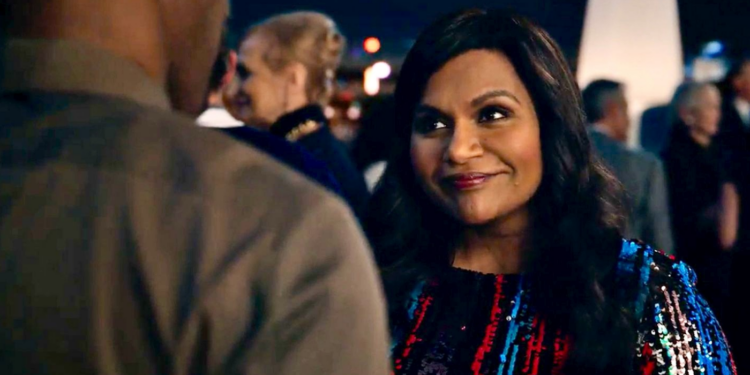
Writer, producer, and actress Mindy Kaling was born Vera Mindy Chokalingam to a Bengali mother and Tamil father. Rather than using her full surname professionally, she shortened it to “Kaling,” a simpler version that audiences could easily pronounce and remember. Kaling’s rise from The Office writer’s room to becoming a major television creator helped normalize South Asian representation in mainstream Hollywood. Unlike many stars before her, she openly discusses why simplifying ethnic names became common in entertainment.
Mila Kunis

Mila Kunis was born Milena Markovna Kunis in Ukraine before immigrating to the United States as a child. While “Mila” is a natural shortened version of her first name, it became the identity that launched her acting career. Her shortened name fit easily into Hollywood branding during her breakout years on That ’70s Show. Over time, Kunis became one of the few actresses whose Eastern European background remained part of her public identity rather than something hidden.
Kal Penn
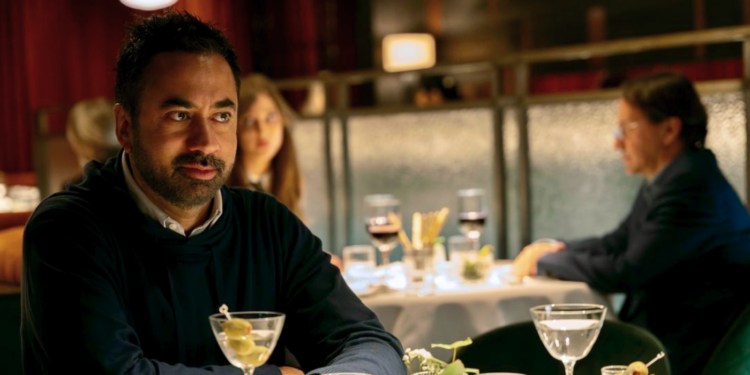
Actor and former White House staff member Kal Penn was born Kalpen Suresh Modi. He adopted the shortened version “Kal Penn” because casting directors reportedly found it easier to pronounce and remember. Penn later admitted that auditions increased after the name change, highlighting the realities many actors with ethnic names faced in Hollywood. Despite that experience, he eventually became an outspoken advocate for South Asian representation in film and television.
Michael Caine

Legendary British actor Michael Caine was born Maurice Joseph Micklewhite. Early in his career, he needed a stage name quickly when an agent requested one over the phone. He reportedly spotted a cinema marquee featuring The Caine Mutiny and chose “Michael Caine” on the spot. The name became one of the most iconic in movie history, attached to classics ranging from Alfie to The Dark Knight trilogy.
Awkwafina
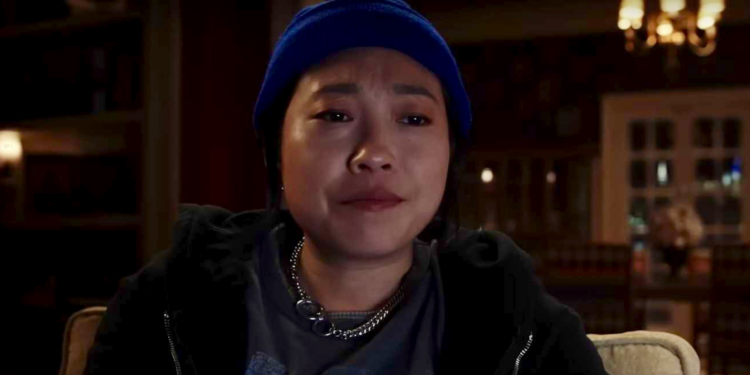
Before becoming a breakout star in film and television, Awkwafina was known off-screen as Nora Lum. Born to a Chinese-American family in New York, she grew up with a name that reflected her cultural background, but it was not the one that would eventually define her public persona. Early in her career, she adopted the stage name “Awkwafina,” originally as a bold, playful rap alias rather than a carefully planned Hollywood identity.
What started as a music persona gradually evolved into a full-fledged acting brand, propelling her into mainstream success. The name helped her stand out in a crowded entertainment landscape, especially during her early comedic and musical work. Over time, Awkwafina became inseparable from her screen presence, appearing in major projects while Nora Lum remained largely behind the scenes.
‘ The preceding article may include information circulated by third parties ’
‘ Some details of this article were extracted from the following source tvovermind.com ’