Paste is the place to kick off every New Music Friday. We follow our regular roundups of the best new songs by highlighting the most compelling new records you need to hear. Find the best new albums of the week below.
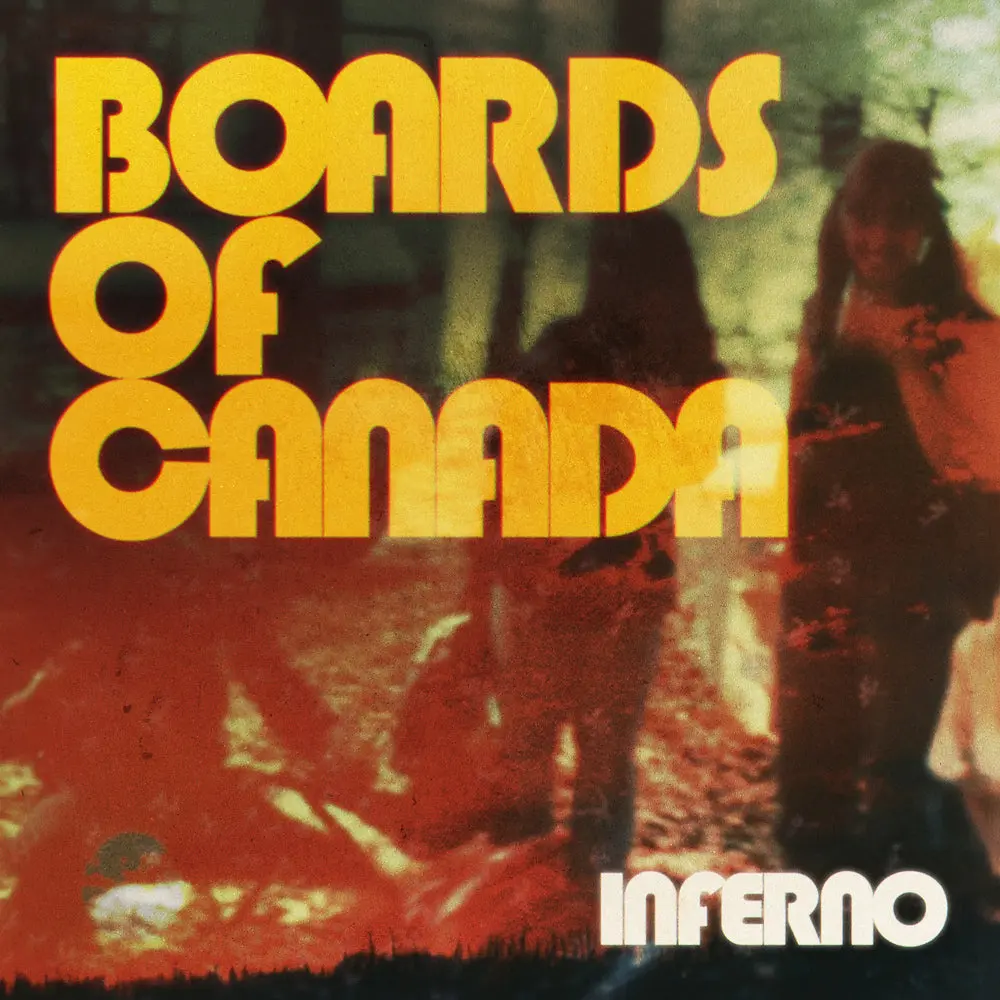
Boards of Canada: Inferno
Something like a heartbeat repeats in the background of “I Saw through Platonia,” and ambient synth pads rise and fall like stray objects in deep space. The titular “platonia” could refer to several things. There’s a genus of timber trees in South America. There’s an underground area that rests beneath the Altar of St. Sebastian in Vatican City. But in the context of Boards of Canada’s new record, Barbour’s theory of platonia, in which time is processed through a configuration space, seems to hold the most water. This all sounds remarkably heady, and that’s because it kind of is. You could listen to Boards of Canada conjure rich electronic tapestries of analog synths, downtempo drums, and digitized vocal samples and appreciate these instrumental tracks for their compositional finesse, how Mike Sandison and Marcus Eoin create a compelling soundtrack for the best sci-fi movie that doesn’t exist. But when you notice how they relate their music to loftier concepts such as time, religion, and the origins of the universe as we know it, Inferno connects on a much deeper level. Like how Radiohead’s A Moon Shaped Pool exuded an aura of closure, Inferno elicits similar emotions, especially when you remember that this is the fifth entry in a five-album deal Boards of Canada signed with Warp Records back in 1998, just ahead of their monumental debut, Music Has the Right to Children. But British theoretical physicist Julian Barbour’s notion of platonia suggests that time is open-ended. Despite those looming feelings of closure, Inferno ends, paradoxically, on a note of beginning. —Grant Sharples [Warp]
ear: Rumspringa
 ear brings a certain “collage assault” je ne sais quoi to A24’s music label, as the IDM-ish duo’s hyperactive, exceptionally textured electronica slots in well beside mark william lewis and Sophia Stel. Their new album Rumspringa is driven by its lead single “Ne Plus Ultra,” a tense, impulsive addition to this current phase of “laptop twee,” as ear uses Sparklehorse and digital hardcore to locate the dissonance of its lowercase sound. “Ne Plus Ultra” translates to “nothing further beyond” and, at one point in the middle of the track, the duo fades a crying kitten into a synth. I’m obsessed with how disorienting it all is, especially when the bleeps, celestial-sigh vocal parts, and buzzsaw bass tears streak through ear’s cut-and-paste glitchscape. “Ne Plus Ultra” is two Bard students’ miniature cosmic opera. —Matt Mitchell [A24 Music]
feeble little horse: bitknot
 As the keen yet internet-lobotomized observer through which we experience the digital-physical world of bitknot, feeble little horse’s Lydia Slocum is a nuanced narrator of online young adulthood in the age of acceleration. Sometimes, she and her bandmates go full doomer. They meet the excess and overstimulation of bots, deepfakes, and bets placed on everything with harsh, digitally manipulated guitar sounds that fill your skull and lyrics about the million dead ends of technocapitalism. bitknot tracks present the internet as a divine force for human connection and collective memory. With access to more information than any previous generation has had, both in history and of history, it’s never been easier to anachronize. It’s why most of the interactions that play out across bitknot’s twenty-five minutes are tinged with nostalgia, regardless of how long ago they occurred or whether they happened IRL at all. References to feeble little horse’s peers (“Not going to Wednesday’s show”) mingle with ones to their fallen predecessors (“You are not David Berman / You are not Kurt Cobain”). Fresh or not, the wounds still sting. Slocum’s voice flits through a starry and wobbly guitar arrangement and chipmunk backup vox, all swirling together in a constellation of digital dreampop, showcasing the real desires embedded in bitknot’s pixelated tangle of intangible projections: to know and be known, to shout through the portal and get an answer back, to be illuminated in the blue-light glow and—even if only for a moment—be seen. —Grace Robins-Somerville [Saddle Creek]
Frances of Delirium: Run, Run Pure Beauty
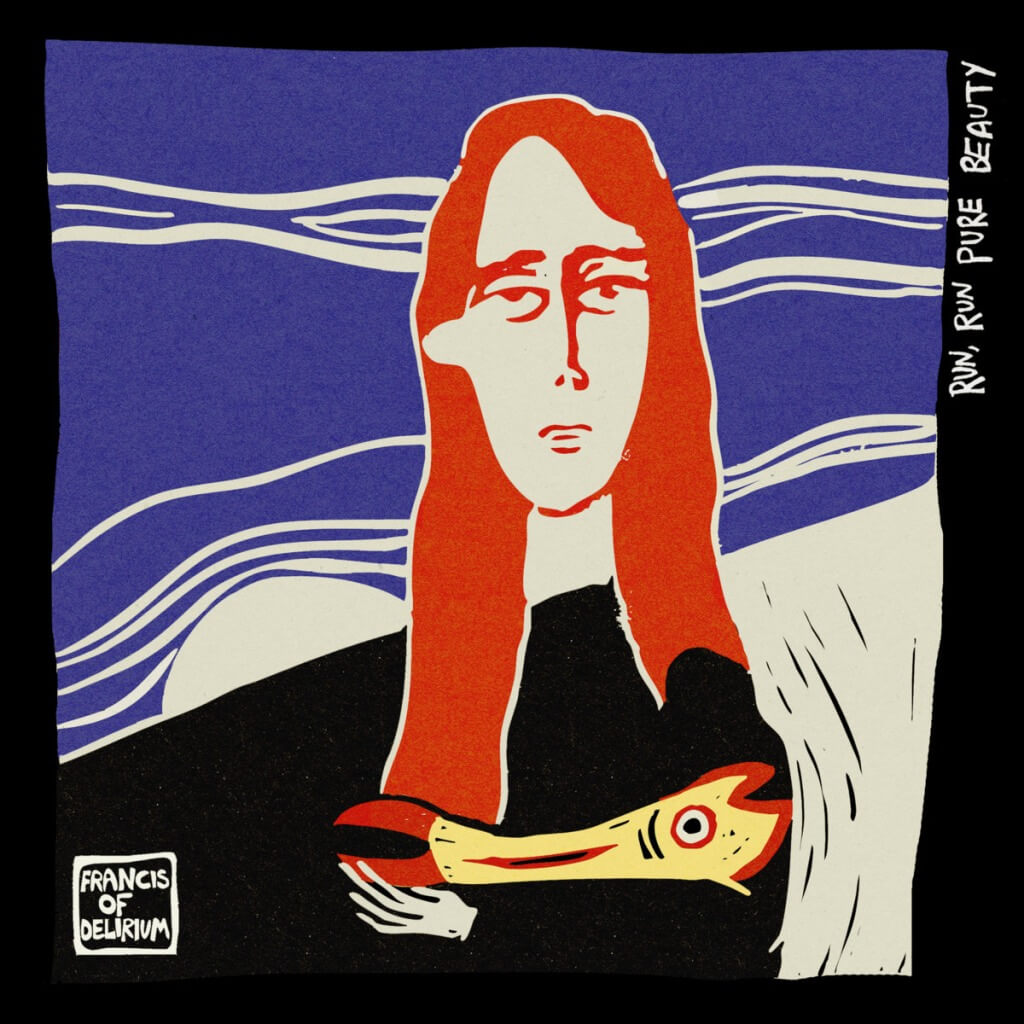 Two years after sharing their debut album, Francis of Delirium return with impressive confidence. Run, Run Pure Beauty reveals Jana Bahrich and Chris Hewett in total lockstep, oscillating through different modes of rock and roll, and this LP will almost certainly stay under the radar as the year chugs along. The palette of songcraft here tugs at many threads: Rufus Wainwright, Laurel Canyon folk, a Lomelda-Florist-Frankie Cosmos mind-meld. “Little Black Dress” is the best thing this band has made since its Wading EP. Run, Run Pure Beauty corrals many moods into its runtime; heady distortion, sharp punchlines, and high-resolution harmonies confirm that Francis of Delirium have leveled up from the “best of what’s next” designation we gave them in 2021. Too many bands find their groove and settle into it; Bahrich, Hewett, and co. sound deeply committed to a restless curiosity. It won’t be long until Francis of Delirium is too good to ignore. —Matt Mitchell [Dalliance Recordings]
Greg Mendez: Beauty Land
 Beauty Land is full of sideways humor and strange, matter-of-fact observations. Like Shugo Tokumaru’s junk drawer orchestras, Greg Mendez threads xylophones, music boxes, omichord, tape loops, dusty pianos, and chintzy organs through all twenty-six minutes. Beauty Land lingers on disturbingly candid moments of weakness. Mendez regrets not visiting his Aunt Mary “before she went away,” straining through the line “Oh my God, I’m so happy that I looked away” while fingerstyle notes ripple beneath him. “Serving Drinks” details the arrival of an unexpected child, a baby brother whose “stupid little baby head is stealing all her love.” Uncomfortable as the sentiment is, it also reveals Mendez’s dry wit: “I’m serving drinks again to men who talk over their friends.” And when a lyric as good as “Dad’s been hiding out, he walks and talks like Jesus now” arrives, it’s hard not to imagine Ryan Davis somewhere punching at the air because he didn’t write it first. The suffering in Beauty Land comes in pockets yet feels constant: nights spent on sidewalks, empty hospital rooms, morphine drips ticking like a metronome. On “Geranium,” Mendez takes a call from an old friend who needs twenty bucks for another score. Dopesick chills run through the record’s desolation, recalling Acetone’s hazy doom or Casiotone for the Painfully Alone’s twee despondency. —Nathan Stevens [Dead Oceans]
Guided by Voices: Crawlspace of the Pantheon
 The day Robert Pollard stops making music is the day Hell freezes over. The Guided By Voices singer-songwriter has been at it for over four decades now, and his pace hasn’t slowed—if anything, it’s picked up. More impressive than even that, though, is just how consistent the beloved rock band has been throughout the years. They have a formula and, goddamn, have they perfected it. But that doesn’t mean they’re not willing to explore. Take Crawlspace of the Pantheon, the Dayton group’s 44th album (give or take; the exact count seems to depend on who you ask): compared to other recent entries into Pollard’s vast discography, Crawlspace is considerably more lyrical, more intent on content—there’s a strange thread of semi-autobiography running through it, pulled both from the band’s own history and from that of the fictional band “Ivory Gate,” a GBV doppelganger of Pollard’s creation. This record comes, of course, only about half a year after GBV’s last album, Thick Rich and Delicious, which was released in October 2025. Both albums were recorded live in-studio with the current lineup of Pollard, Doug Gillard, Kevin March, Mark Shue, and Bobby Bare Jr. —Casey Epstein-Gross [GBV Inc.]
Iceage: For Love of Grace & the Hereafter
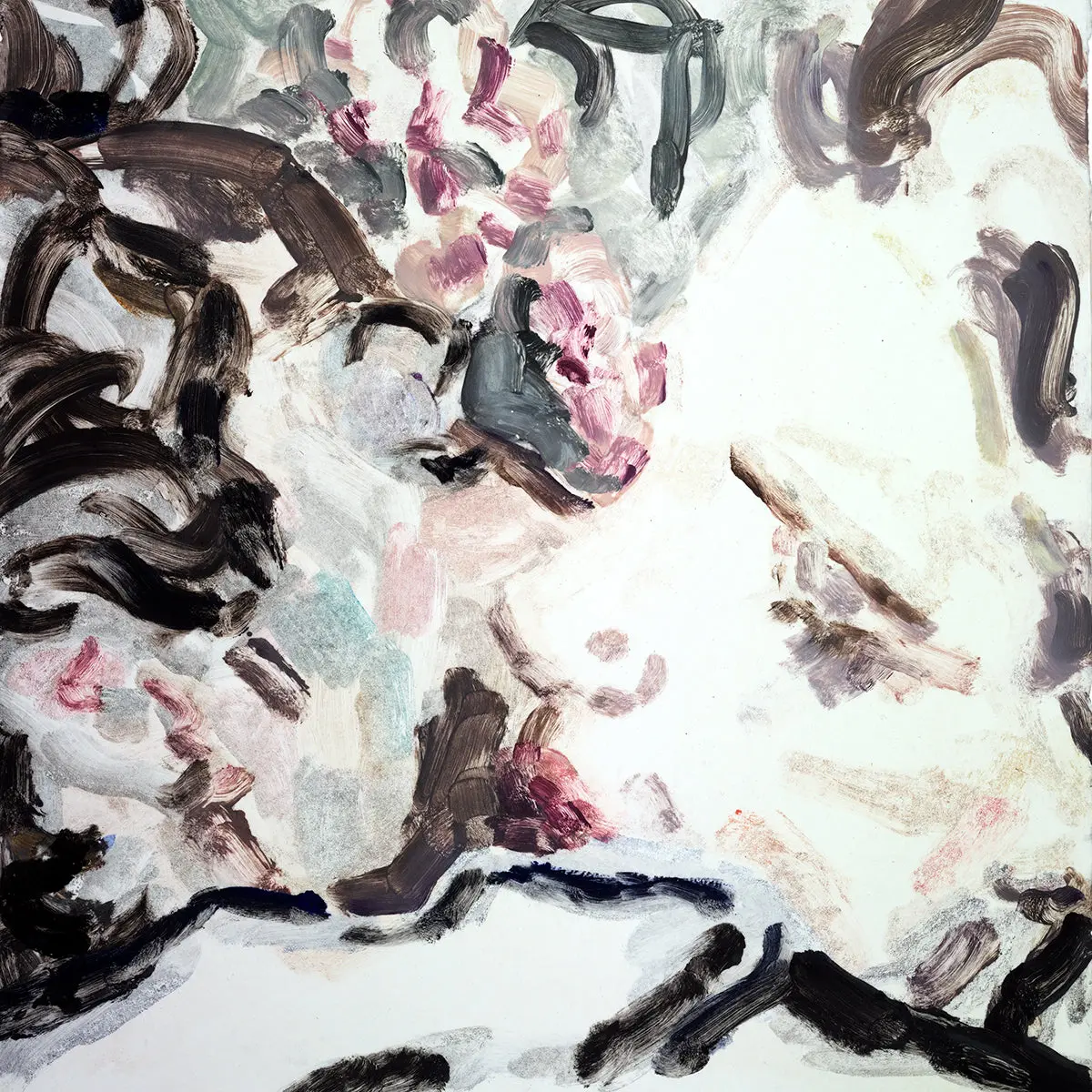 For Love of Grace & the Hereafter harkens back to Iceage’s early days as teenage punks, but the band demonstrates how much it’s matured in the time since by suffusing that gritty aggression with sunny melodies and syncopated rhythms. It recalls the kinetic energy of their first two records but possesses the sophistication of their more recent output. Equal parts jangly and muscular, the five-piece forge a new path while staying true to their roots. A “back-to-basics” record would feel like a trite maneuver in less capable hands, like a method of reeling in old fans after a string of disappointments, but Iceage pulls it off with style—both because the band has yet to release a disappointing album, and because they revisit those basics in a fresh, compelling way. Never does it scan as facile nostalgia. “The Weak” channels the upbeat grime of CBGB and Max’s Kansas City mainstays like the Ramones and New York Dolls. It strikes a balance between poppy earworms and bristly distortion with handclaps, thunderous toms, I-IV-V power chords, and a pennywhistle solo that’s just off-key enough to sound like the most fucked up thing you’ve heard in a while. Then there’s “Star,” another dark love song rendered in pure Iceage fashion. Rønnenfelt implores the object of his affection to “flood me like a tempest in drought.” “Every inch of my earth and sky / You can occupy / Cover me entirely,” he sings, the submissive yearning laid on extra thick. When the tightly wound grooves burst at the seams in the outro, he confesses once more that “you’ve got me dying like a staaaaaarrrr,” and everything combusts like a sparkling supernova. It’s this particular moment that best encapsulates what makes For Love of Grace & the Hereafter such a riveting, dizzying experience: Iceage makes annihilation sound like a bacchanal. —Grant Sharples [Mexican Summer]
Joshua Ray Walker: Ain’t Dead Yet
 I don’t know much about singing, at least not in the technical sense, but I’m pretty sure I can tell a good one from a bad one. Joshua Ray Walker’s got a good voice, maybe one of the best I’ve heard in a long time. I found an old record of his, What Is It Even?, around Christmastime last year and have held onto it tight ever since. Walker can spin a story, and his characters are compelling and familiarly flawed. They’re human portrayals of human people, though the particulars on his new tape, Ain’t Dead Yet, land closer to home for Walker than one might expect. “Human beings are super multi-faceted, and part of the reason I wrote about characters in the first place was because I could explore things about myself that I didn’t feel comfortable exploring if I were to admit that it was really about me,” he said. One cancer diagnosis later and Walker has emerged healthy and full of memories he’s asked us to step into alongside him. Ain’t Dead Yet isn’t just a declaration, but an earned occupation. Check out “Thank You For Listening.” It’s powerful. —Matt Mitchell [East Dallas Records]
Kim Petras: Detour
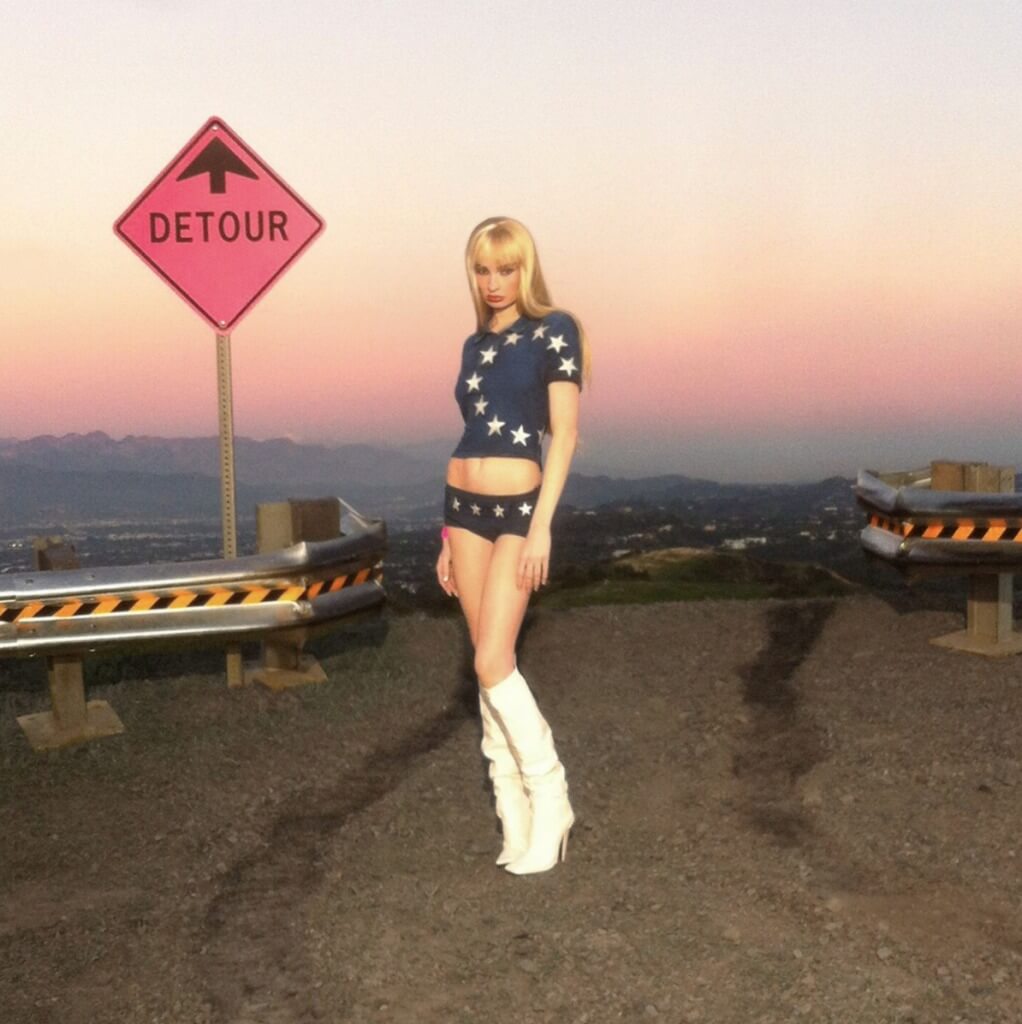 Arise, sluts: Kim Petras is back. The hypersexual hyperpop hyperprincess has returned with her third album Detour, which boasts a more mature, multi-layered sound than the selections from her early-career Slut Pop era (we’ll never forget you, “Throat Goat.”) Reminiscent of Charli XCX’s CRASH and SOPHIE’s Oil of Every Pearl’s Un-Insides, the dense, sugary Detour explores Petras’s identity as German immigrant-party and girl-fembot-woman with help from underground mainstays like Porches and Frost Children. The title track is a toothy wall of noise—all choppy, roiling beats and runaway synths. “Throw my fist through the roof just to feel somethin’,” Petras snarls as the song melts around her. On “Jeep,” she strips down into a plaintive, drumbeat-heavy, Auto-Tuned love song that shows Petras’ soft side for the first time in… maybe ever? This is not to say the Kim Petras of Slut Pop is dead. Sluts who are true of heart never die, and on album closer “Freak It,” Petras returns to her 3 a.m. roots with a pure dance tune that will, I predict, be played at every gay club for the entirety of June. Replete with EDM lines and gratuitous Auto-Tune, it’s the Petras of the past resurrected in all her sparkly glory. Kim knew what she was doing, dropping this one right before Pride Month. And thank God for that. —Miranda Wollen [BunHead/Amigo]
Kurt Vile: Philadelphia’s been good to me
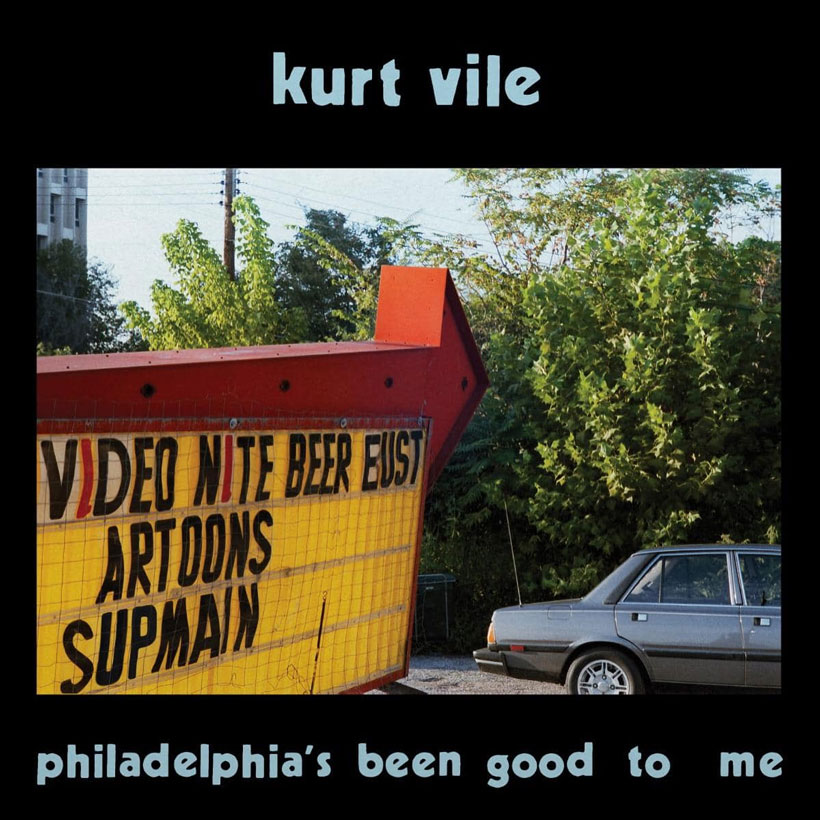 Philadelphia’s been good to Kurt Vile, and in turn, it’s been good to us, too—the Philly singer-songwriter’s tenth record is as warm, affable, and intimate as always. As the album title might imply, Philadelphia’s been good to me is nothing so much as an autobiographical ode to Vile’s hometown, rich in sentiment and nostalgia and the intricacies of a daily life built from small moments. It’s not without a bit of sonic experimentation—some jangle-pop here, some spacey instrumentals there; even a ten-minute loop-heavy number in “99th song”—but Vile knows what works for him, and sticks to it well: easygoing vocals singing mundane poetics over artfully complex guitar lines. His effortless charisma bleeds through every word, every riff, welcoming listeners into his home town and inviting us to make ourselves comfortable. To fans’ alarm, Vile’s said he’s been treating the record like it’s his last, but even if it is, it’s one you can sit inside for the long haul. —Casey Epstein-Gross [Verve]
Paul McCartney: The Boys of Dungeon Lane
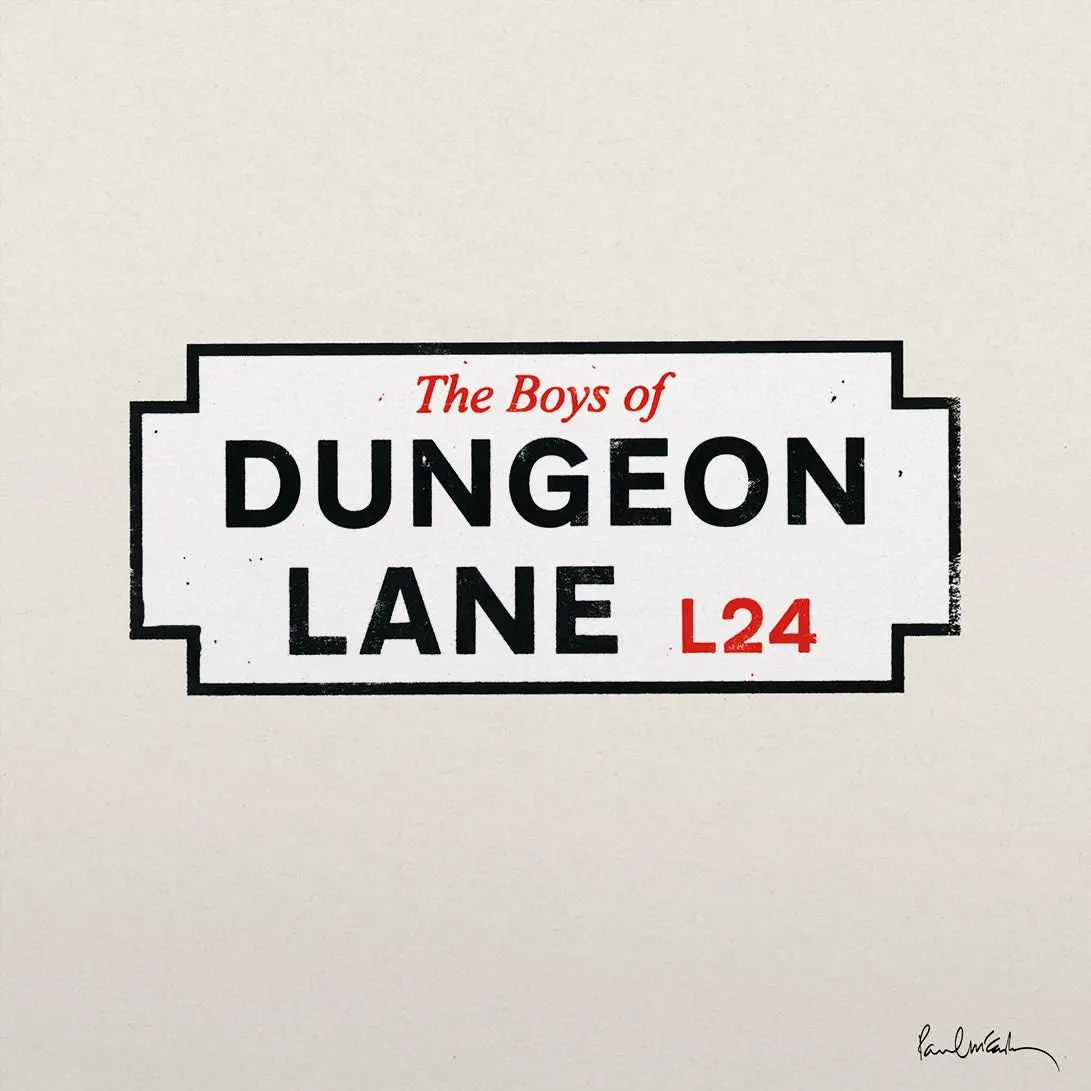 Two Paul McCartneys are battling for space on The Boys of Dungeon Lane, his sweet-natured and often delightful new album. The first is an unabashed nostalgist, a genteel romantic—the kind of presence you might expect from an eighty-three-year-old entertainer with an impossibly rich backstory and a knack for breezy pop hooks. The other is, thankfully, a wild man—the same spirit that animated everything from the absurdist studio tinkering of “You Know My Name (Look Up the Number)” to the clanging folk curiosity “Wild Honey Pie.” Historically, some of the Beatle’s most exciting solo work has fused these two personalities: Take the 1971 Ram classic “Uncle Albert/Admiral Halsey,” a homespun art-pop classic reflecting on a beloved relative—that is, when it isn’t winding through orchestrations and playfully accented vocals and giddy melodies that topple over like dominoes. McCartney strikes that same sweet spot many times on Dungeon Lane, his twentieth-ish solo album. Opener “As You Lie There” is both wistful and adventurous, simmering on a childhood crush as the lo-fi backdrop shape-shifts through overdriven guitar lines, bluesy bass grooves, and lush vocal harmonies. “Mountain Top” might be his trippiest moment since the Sgt. Pepper era, with psychedelic references (“Any time I walk with you / Magic mushrooms peeping through”), cosmic harpsichord, and wordless-vocal sunshine erupting into a revved-up, reversed guitar solo. On the other end of the spectrum, the woozy minor-key waltz of “Salesman Saint” salutes his parents’ resilience amid the strife of WWII, over a stunning arrangement highlighted by melancholy guitars, clever time changes, and bold big-band brass. Paul McCartney could have started coasting decades ago. Yet here he is, in his eighties, still experimenting and pushing himself. —Ryan Reed [Capitol]
Rare DM: Attention
 Attention—the second album of Baltimore-born and New York-based Erin Hoagg’s Rare DM project—throbs, thuds, and writhes through your eardrums in true electroclash fashion. Armed with enough synth sounds and drum machines to power a small army, Hoagg has created a soundscape that is simultaneously cohesive and wide-ranging. Often, Attention feels electrified with the twitchy, adrenaline-laden pulse that comes with bad decision-making: opening track “Compliment” pushes Hoagg’s vocals to the forefront, both commanding and desperate (“I can take a compliment,” she half-sings, half-chants; it feels like a boast and a plea). Other times, though, the album verges on mellow. “Butterfly Historian” is a lo-fi, thudding act of intimacy; stand-out track “Skater Hits Me Harder” is a cosmic trip of a song with production that sounds somehow both spare and sumptuous. In it, the synth lines follow simple, hypnotic arpeggio patterns; when combined with a humming, buzzing bassline and Hoagg’s almost monotonous vocal refrain (“Just trying to have some / Casual fun”), the song is elevated into a piece of dark and beautiful magnetism. Best of all is Hoagg’s ear for texture; it isn’t hard to see how she has used her foundation in visual work to supplement each track, working more as a painter than a producer as she builds up layer after layer of sound. Otherworldly and weird, Attention explodes into your ears with all the force and imagination of a Jackson Pollock painting. —Mariam Abdel-Razek [Self-Released]
villagerrr: Carousel
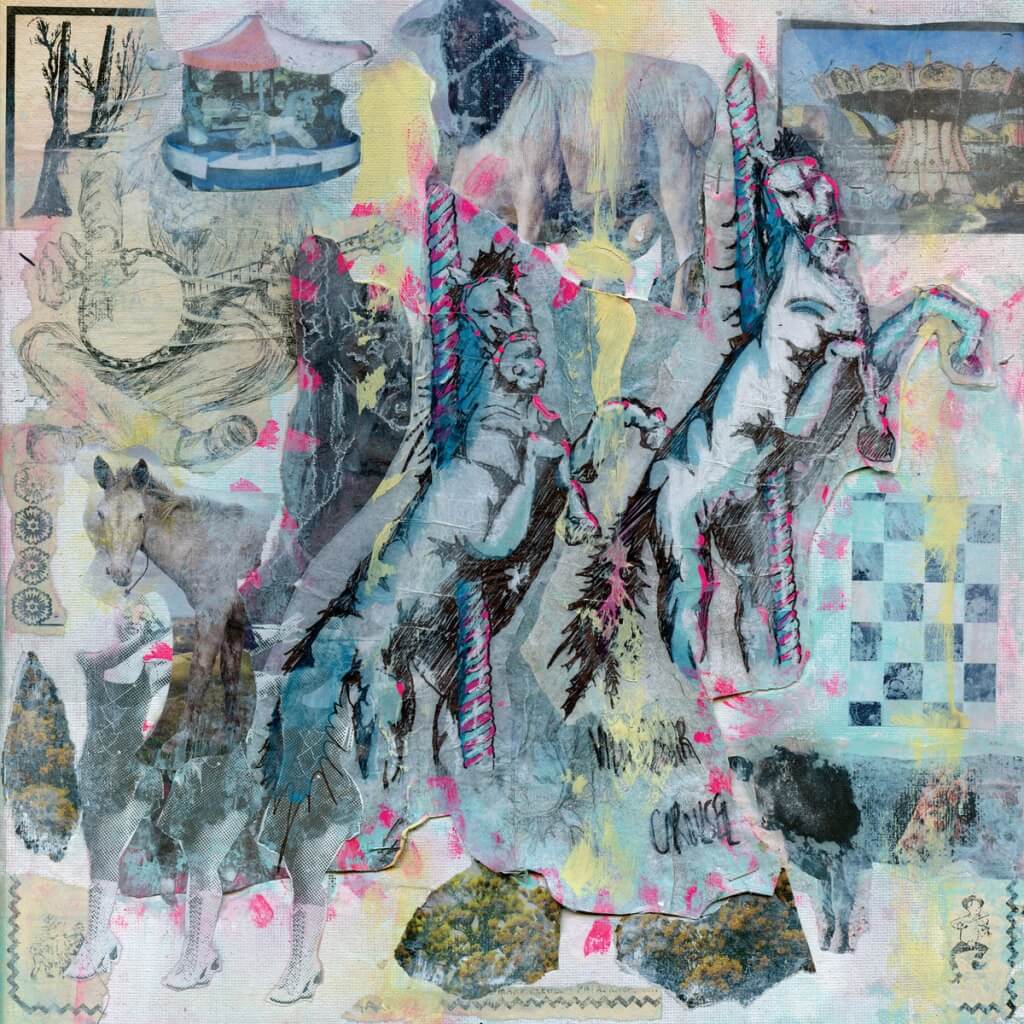 There’s a sadness to villagerrr that ages Mark Allen Scott’s songwriting far beyond his years. His music feels like a mirror shattered and pieced back together, refracting off itself in the light. Lucid and searing, villagerrr’s downcountry, low-fi indie-rock has a special way of tugging at the heartstrings. Perhaps it’s Scott’s trembling vocals, his childlike lyrics, or the quiet, orchestral instrumentation. Maybe it’s the album’s insistent sincerity and refusal to dissimulate. Whatever it is, it’s working. On Carousel, villagerrr’s third project, Scott explores what it means to be a real person in an unreal world with a determined nakedness that disarms the listener almost instantly. On “Virginia,” a pensive, downbeat song full of violin, cello, and guitar, Scott wrestles with the impossibility of moving forward from the entropy around him. On “Indiana,” the artist and his crew of collaborators nestle into a heart-wrenching, almost otherworldly minimalism buoyed by h. pruz’s wispy soprano. Carousel is an album of what-ifs, pleases, why’s, and why-not’s. It’s a lovely, cotton-edged rage against a dying light—a candle in a cavern. villagerrr has never sounded so strange or melodic. Most of all, Scott’s prayer for life feels livable. —Miranda Wollen [Winspear]
Widemouth: No Gasoline
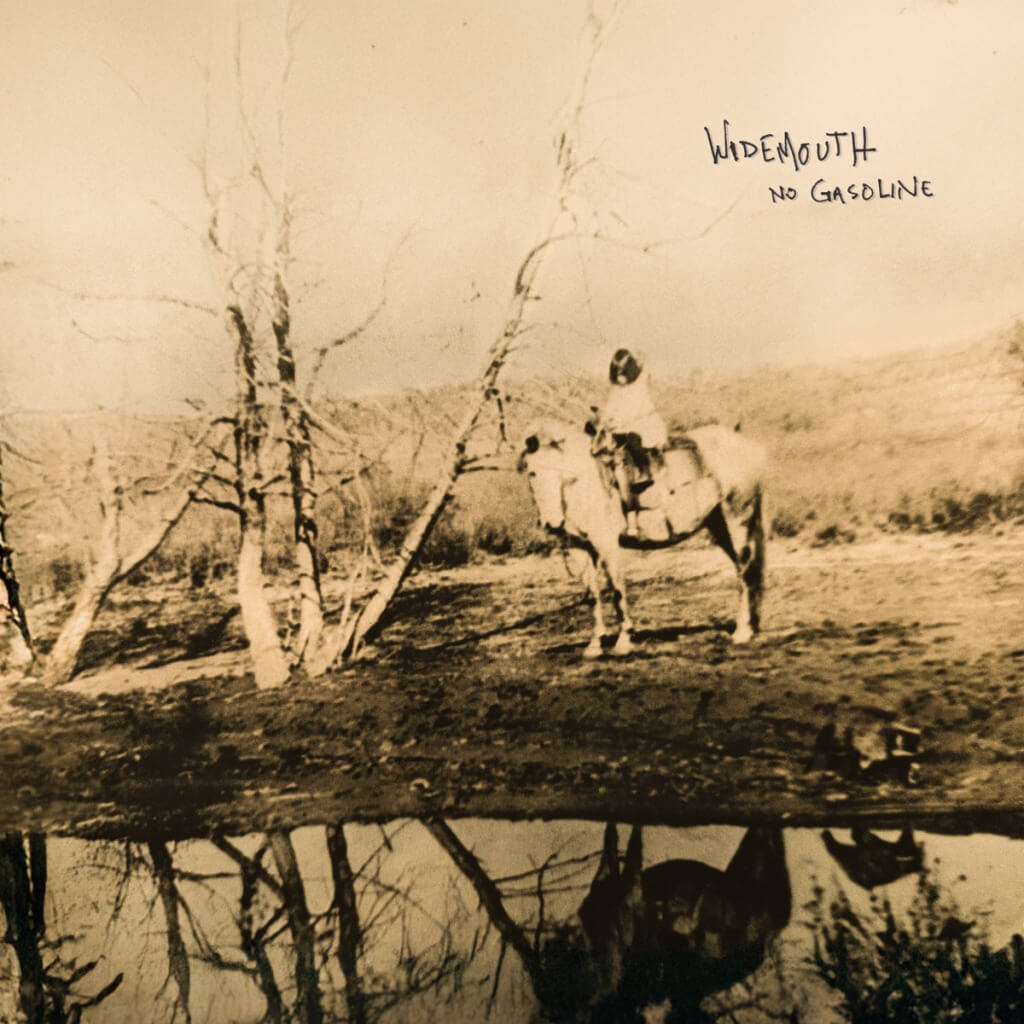 So far, the 2020s have been a great decade for up-and-coming alt-country acts, and thankfully, that trend shows no sign of slowing down anytime soon. Just lend your ear to Widemouth’s debut record, No Gasoline. The title-track is a slow-burning ballad with traces of Waxahatchee and Gillian Welch woven into its DNA, Mak Carnahan’s truly-made-for-Americana voice oozing emotion from every syllable, as harmonies from Jamie Eder and Levi Saltzman make the world of the song feel expansive and lived-in. The record weaves from mild Ratboys-esque twang to confessional Phoebe Bridgers-isms, building from soft tales of grief to bursts of electric guitar with ease. But no matter what, friendship remains the throughline—fitting, for a band conceived in a college dorm basement. Love is both brick and mortar here, the skeleton of the album and the flesh of it. It’s infectious. —Casey Epstein-Gross [Urban Scandal]
‘ The preceding article may include information circulated by third parties ’
‘ Some details of this article were extracted from the following source www.pastemagazine.com ’