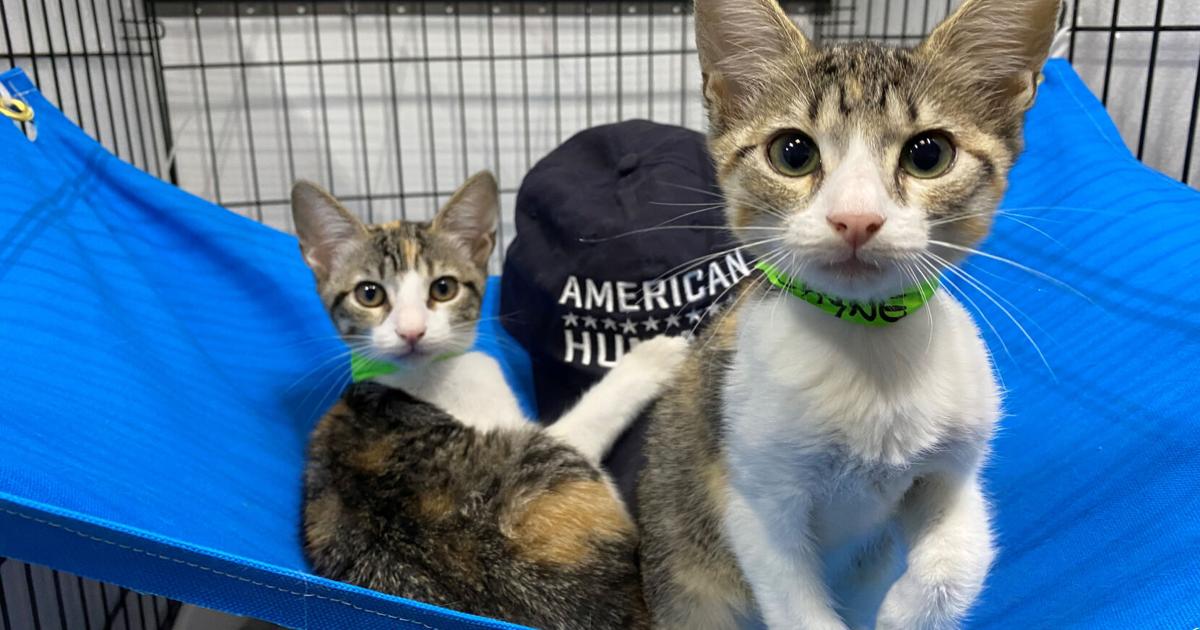
As the New Year begins, social media feeds are filled with the familiar surge of lost pet posts as families search for pets who got lost during the chaos of the holidays. Others, however, are posting about pets that they have found — hoping to find the owners.
This is actually a year-round problem.
While I was home over the past two weeks for the holidays, three different dogs wandered into my yard. Three. Luckily, all were friendly and wearing tags. Thanks to proper identification, each one was reunited with its family quickly.
It was a perfect reminder that pets can become separated from their people at any time and that simple precautions can make all the difference in a speedy reunion.
If you happen to find a lost pet in the days following New Year’s celebrations (or any time of year), the actions you take can play a critical role in getting that animal safely home.
1. START WITH COMPASSION: A loose pet does not automatically mean an abandoned pet. Open doors, broken latches, unexpected guests or simple curiosity can lead to a wandering animal — even in the most responsible households. A pet that looks dirty or tired may have simply been on an unintended adventure.
2. SECURE THE PET: If the animal is friendly and approachable, move it to a safe, contained area away from the road. Always use caution as even calm pets can react unpredictably when separated from their family or approached by someone unfamiliar.
3. CHECK FOR IDENTIFICATION: Collars and ID tags are often the fastest ticket home for a lost pet. A phone call or text can turn a stressful situation into a quick reunion.
No tags? Scan for a microchip. If no tags are present, take the pet to a local veterinary clinic, shelter or pet supply store to be scanned for a microchip.
Some local libraries are now equipped with self-serve scanners. For example, the East Bank Regional Library in Metairie has a public scanning station for found pets as part of a JPAWS initiative, so you can check for chips anytime.
Microchipped pets are far more likely to be reunited with their owners, especially when registration information is current.
4. CONTACT THE LOCAL SHELTER: The shelter in the parish where the pet was found is typically the first place owners check. Filing a “found” report helps connect the dots if someone is already searching.
5. USE SOCIAL MEDIA, BUT WISELY: Post clear photos in neighborhood groups, community pages and apps like Nextdoor. Share the general location but leave out one identifying detail so the rightful owner can confirm ownership.
6. CHECK CLOSE TO HOME: Often, lost pets don’t travel far. This is often the case with cats. Walking the neighborhood and talking to nearby residents can often lead to fast reunions.
7. WATCH OUT FOR SCAMMERS: Sadly, not everyone who responds has good intentions. Ask for proof such as photos, vet records or detailed descriptions. When possible, allow the shelter to assist with the reunion.
8. DON’T REHOME OR RELEASE THE PET: Found pets should never be given away or let back loose. Even short-term decisions can permanently separate an animal from their family.
The New Year is a season of fresh starts, and few things feel better than helping a lost pet find its way home. Whether it happens during fireworks or on an otherwise ordinary afternoon, being prepared — and acting responsibly — can turn a moment of worry into a happy ending for everyone involved.
‘ The preceding article may include information circulated by third parties ’
‘ Some details of this article were extracted from the following source www.nola.com ’