“I think it goes back to the image that France continues to have today as pleasure-loving, as sophisticated, not merely gorging themselves or getting drunk, but [possessed of] a kind of sensuality that is cultivated in the sense it’s tasteful and distinguished,” he tells the BBC.
A French chef, he explains, would become necessary as a status symbol for many aristocrats of the 19th and 20th Century. “One of the biggest examples in literature is PG Wodehouse writing about one of Bertie Wooster’s aunts, Dahlia, living in terror that her temperamental French chef, Anatole, would quit.”
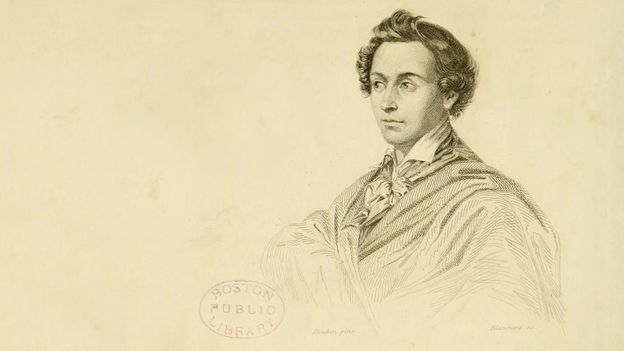
The era of the celebrity restaurant chef was ushered in by Carême’s growing fame, and the cookbooks he wrote, according to Professor Nathalie Cooke, the author of Tastes and Traditions: A Journey Through Menu History. Before the French Revolution, restaurants existed in limited form in Paris, but most served only soup. Their proliferation, Cooke tells the BBC, was born from “economic disaster”.
“Imagine you’re an aspiring young chef and you’re working in Paris in the late 18th Century, and they’ve beheaded Marie Antoinette, and they’re getting rid of all those jobs that you’ve aspired to, cooking for royalty and the aristocracy,” she says. “That’s why the restaurant culture grew: these very skilled chefs needed to make money and find an audience during economic turbulence, and in a post-royalty age. That’s also why Carême wrote cookbooks: he was establishing himself in this new age of print media, but also, by addressing his work to other chefs, he was training a new breed of chef that was going to serve a larger audience instead of just royalty.”
A later French celebrity chef who dominated European food culture, Auguste Escoffier, (1846-1935) – who ran restaurants at the Ritz hotels in Europe, and at the Savoy Hotel and Carlton Club in London – “is really Carême’s heir,” Cooke says.
‘ The preceding article may include information circulated by third parties ’
‘ Some details of this article were extracted from the following source www.bbc.com ’