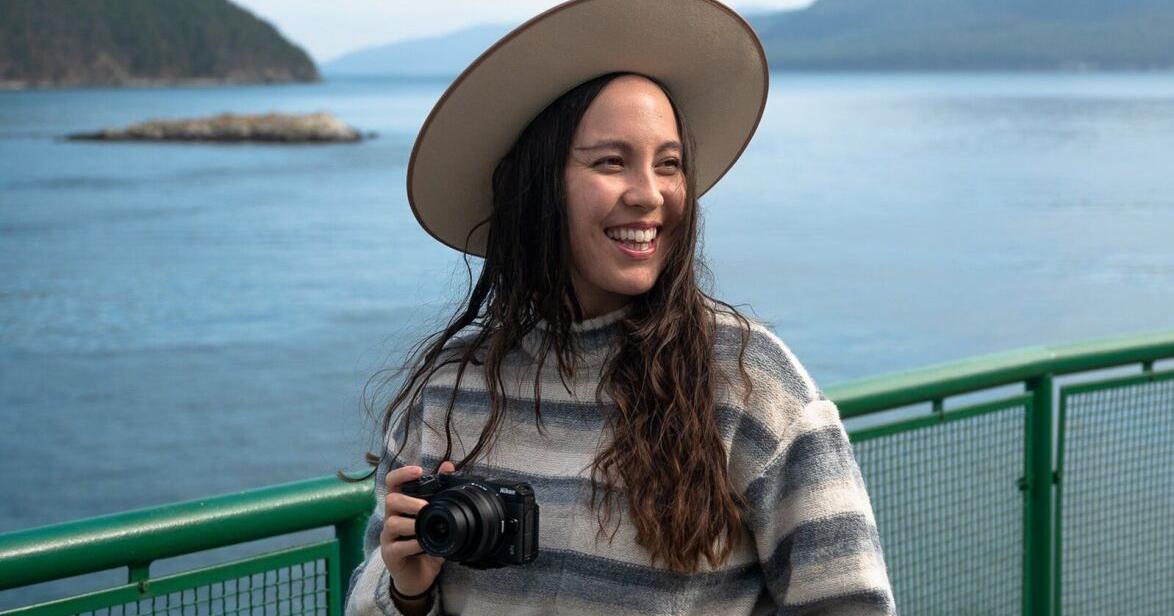
Whether she’s hiking a new trail or taking the ferry to a new coffee shop, author Kara Patajo, also known as Your Northwestie Bestie online, treats every day in the Pacific Northwest like an adventure.
Patajo’s debut book, “52 Weekends in the Pacific Northwest” (out April 14 from Sasquatch Books), is a lifelong Washingtonian’s guide to year-round getaways. It’s complete with Friday to Sunday itineraries like city guides and nature escapes, including day-to-day recommendations on where to stay, eat and play, plus anecdotes and tips from Patajo’s own travels.
Along the way, there’s room to add in your own adventures and time to be surprised by a new discovery or a recommendation from a local you meet. Patajo sat down with The Seattle Times to talk about why it was important for her to be a local guide for readers, why seasonality played a big role in how she organized the book and how tourists and locals alike can treat every day like an adventure. This conversation has been edited for length and clarity.
You’ve created content about travel in Seattle as Your Northwestie Bestie for years. What inspired you to go from creating content online to writing a travel guidebook?
When I started creating content, I was more in the fashion niche, but most of the questions in my DMs were about where I was taking my photos and where they should go on their first visit to Washington state. As someone who was born and raised here, it was a natural fit to make travel content because it was a place I could provide value to my audience, and it also ended up being personally fulfilling for me.
What inspired you to create this book? In what ways is it a travel guide and a love letter to home?
I have a lot of travel guidebooks on my shelf, and I wanted this one to have some of my own personal stories and offer a friendly local voice, much like the other content I create online. It’s an extension of my mission to inspire people to go on everyday adventures in their lives, whether it’s as simple as breaking out of their routine by going to a park or coffee shop, or something bigger like going on a weekend getaway.
I see my book as a culmination of all the years I’ve been creating content and writing travel content on my blog. This book takes all of that knowledge and experience and puts it into one resource.
In the introduction of the book, you share how many people think of visiting Washington in the summer when, in reality, there are adventures to be had year-round. Is that why you decided to organize the book by season?
The seasonal organization felt natural to me since it aligns with the natural seasons. Even locals can fall into the mindset that summer is the “best” time to get out, but if you’re open to adventure, there’s something that makes each season special, whether it’s a specific food dish or coffee special, animal migrations or blooming flowers. In the fall, there are larch hikes in the North Cascades. In the spring, there are tulip festivals. In the winter, I highlighted Crater Lake National Park, which receives fewer visitors during that time of year.
Even if you’re reading this book and don’t live in the Pacific Northwest, I hope it invites you to notice the beauty in each season where you are. At the end of the day, I want people to make the most of the time they have. If you keep an open mindset, there’s no limit to what you might find in your backyard.
How can locals and visitors use this guide to make the most of their time in Oregon and Washington and leave room to be surprised?
The book provides a good foundation if you don’t know about a certain place and are curious about it. I find that people use guidebooks as inspiration and ideas on where to go, so you’re always encouraged to tailor your trip to your own taste. With there being 52 places in this book, there are itineraries with popular national parks, but a lot of the itineraries are in small towns and off the beaten path.
Sometimes, a jampacked itinerary can leave you feeling tired, so I’m always learning to slow down. This leaves room to try out a local recommendation or stop by a shop that’s new to you. For example, when I’m in a new town ordering coffee, I’ll strike up a conversation with the barista and ask about the local hiking trails they like or what they love about living there. Sometimes, I hear about places I wouldn’t have otherwise, and some of those recommendations are in this book.
What’s your ideal Washington weekend?
It’s November, which means we’ve timed it just right, (and it’s) that quiet in-between season after Oktoberfest and before the Christmas crowds roll in. We spend most of our time slowing down, tucked just 10 minutes outside of town at Sleeping Lady Mountain Resort. The fall foliage is at its peak. The bucks have grown in their antlers. And the loudest sound is the steady rush of the creek.
We revisit a few of our favorite local spots, like Boulder Bend Glassworks, The Gingerbread Factory and the 59er Diner, before catching sunset. And if the sky is clear later, we step outside once more, looking up through the ponderosa pines at a sky full of twinkling stars.
What does it mean to you to be a published author and create a guidebook with images you’ve taken?
It’s a surreal full-circle moment, especially as a creator who’s been sharing travel content for years. You never know what opportunities will arise when you have an audience and a platform. I love connecting with business owners and amplifying them, and I’m excited for them to get more recognition through this book.
Washington has given me so much personally, and I want other people to experience it, especially in the outdoors. I want other people to see the beauty in it, too. You may know of the popular hikes like Rattlesnake Ledge and Comet Falls, but there’s so much else that’s out there.
‘ The preceding article may include information circulated by third parties ’
‘ Some details of this article were extracted from the following source www.yakimaherald.com ’