Hailey Nguyen/The Cougar
During the second and third weeks in April, music festival season opens up with the internet’s favorite event: Coachella Valley Music and Arts Festival. Located in the middle of the desert in Indio, California, Coachella manages to ignite interest worldwide.
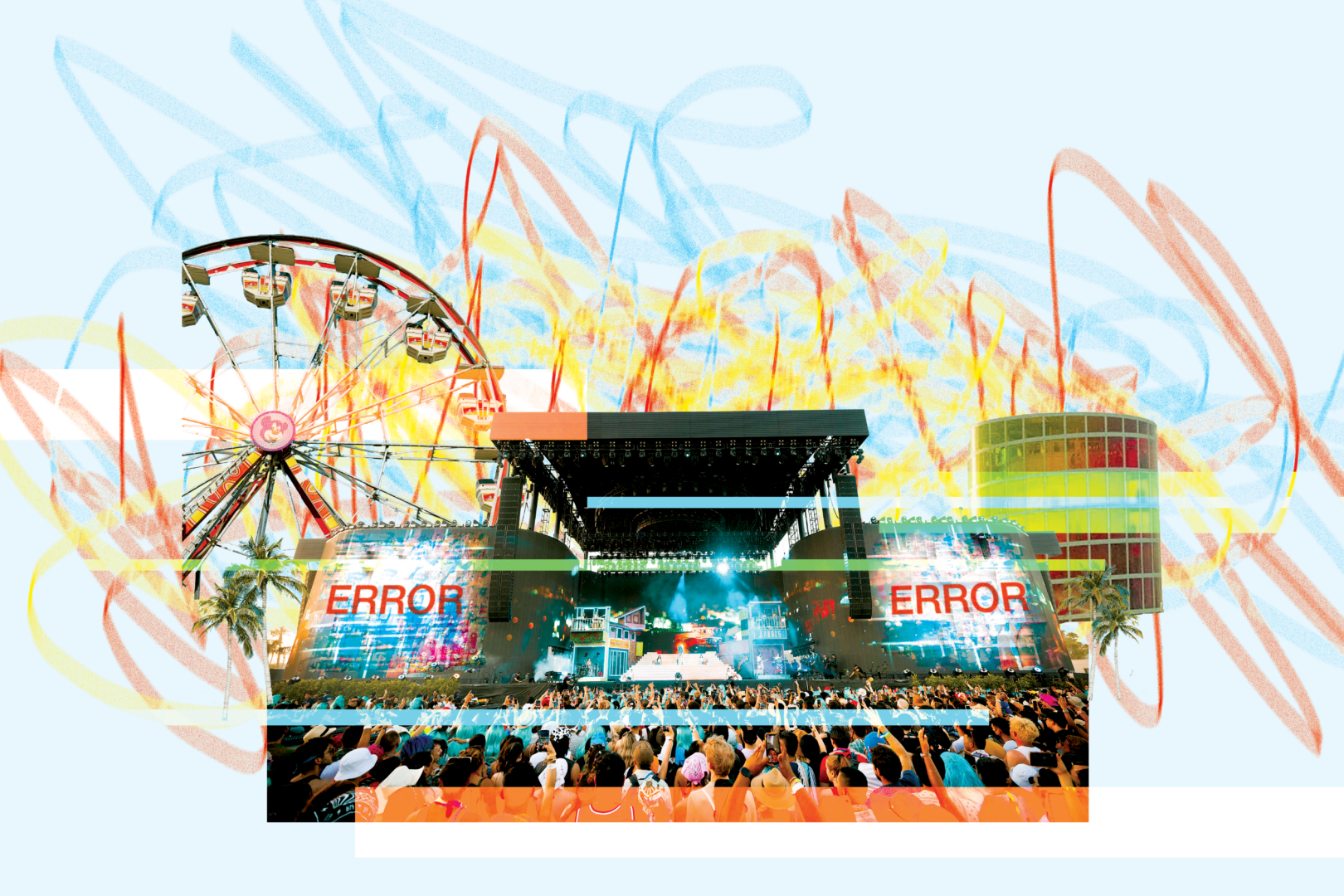
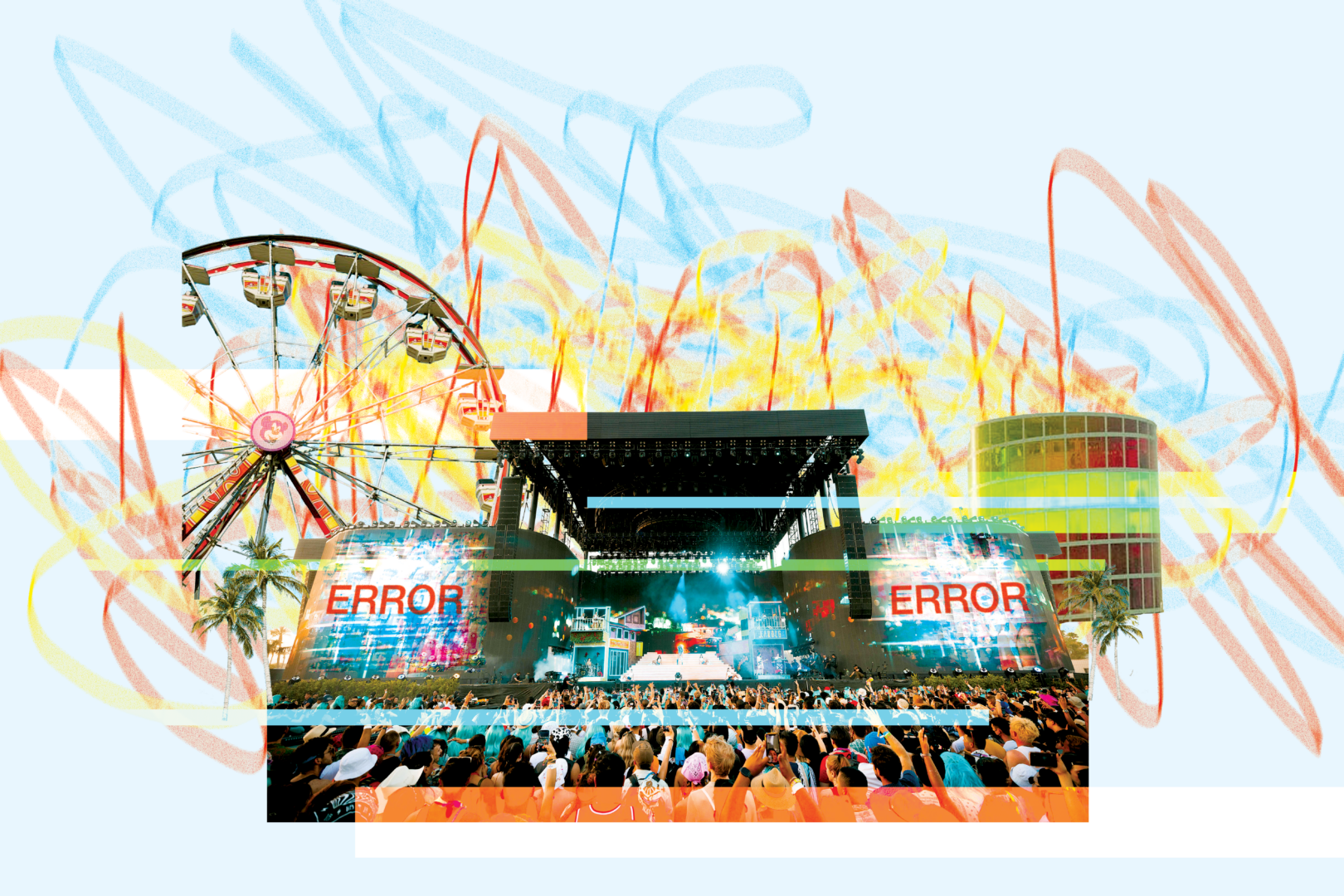
The festival lineup features artists from many genres, attracting people from all walks of life. Coachella is also known for the unique and interesting fashion choices festival-goers wear and for an aesthetic that is unrivaled among festivals. They also host art exhibitions that often feature vibrant colors and unusual elements or artistry, like the iconic rainbow tower and Ferris wheel.
Coachella’s aesthetic is visually appealing and whimsical, which is why it gains so much traction each year. It brings music, art, fashion and culture together in one place for two weekends. But for a festival that prides itself on being a place for everyone to celebrate music and art, it now seems to be for only major brands, influencers and celebrities.
There is so much media coverage for the festival that in weekend one alone, it earned $870 million in media impact value. Videos created by influencers or celebrities across major social media platforms caught everyone’s attention. But is it still entertainment, or has it become a marketing opportunity?
Bieberchella
The most talked-about videos from Coachella this year centered on Justin Bieber’s headlining performance. Since he hasn’t performed for a U.S. audience since his 2022 tour, the excitement surrounding his return was even greater. The moment was quickly dubbed “Bieberchella,” with fans online expressing envy of those who were able to experience it in person.
The most appealing part of his performance was his setlist, which featured many of his older hits, including “Baby,” “Beauty and a Beat” and “Never Say Never.” The set brought back Bieber Fever and a wave of nostalgia, especially for longtime fans at the festival and those watching from home, who felt they were reliving those moments.
Nostalgia took center stage when Sabrina Carpenter brought out Madonna as a surprise guest during her set. The queen of pop performed some of her biggest hits, including “Vogue” and “Like a Prayer.”
Aside from the headliners, Coachella is also filled with high-energy, iconic and stylish moments, making it easy to consume all this content and get caught up in the excitement. However, those nostalgic and envious feelings are coming through a screen, carefully curated to show only the best parts of the experience.
The reality of Coachella
In reality, Coachella is far less accessible for most people. Camping conditions can be difficult, with long lines for porta-potties, dirty showers, limited sleeping space in cars or small campsites and extremely expensive food and drinks.
The glamorous parts of Coachella are mostly showcased by influencers or celebrities who were either sent by a brand deal or paid an insane amount for said accommodations.
Beyond that, the cost of attending alone puts it out of reach for many. Between tickets, travel, outfits and accommodations, the total price quickly adds up. The festival has evolved into a brand-curated, influencer-driven spectacle that often hides the sweaty, expensive and chaotic reality experienced by the people in the background of those TikToks and Instagram posts.
Much of the traction and excitement around Coachella is also somewhat parasocial in nature. People consume the content and feel a sense of satisfaction, almost as if they are there themselves, even while many are struggling to earn a living wage.
Coachella becomes another example of how easily society can be distracted by celebrity culture, pulling attention away from what is happening in the real world. As prices in the United States continue to rise, the obsession with a festival that has increasingly become accessible mainly to the wealthy only highlights that disconnect.
Coachella was originally created to give fans an amazing experience. It was one of a kind compared to other music festivals. The art displayed each year is supposed to be in some way connected to the environment and human interaction. It was supposed to be an experience attainable by everyone; however, it has gone too far out of touch.
The incredible music performances and the exceptional art displays will probably never change at Coachella, but they are, sadly, becoming little more than marketing tools. The culture is slipping away. If brands continue to capitalize on it, Coachella will never be within reach for the average person. It will have to be consumed on a screen while the world falls apart around them.
‘ The preceding article may include information circulated by third parties ’
‘ Some details of this article were extracted from the following source thedailycougar.com ’