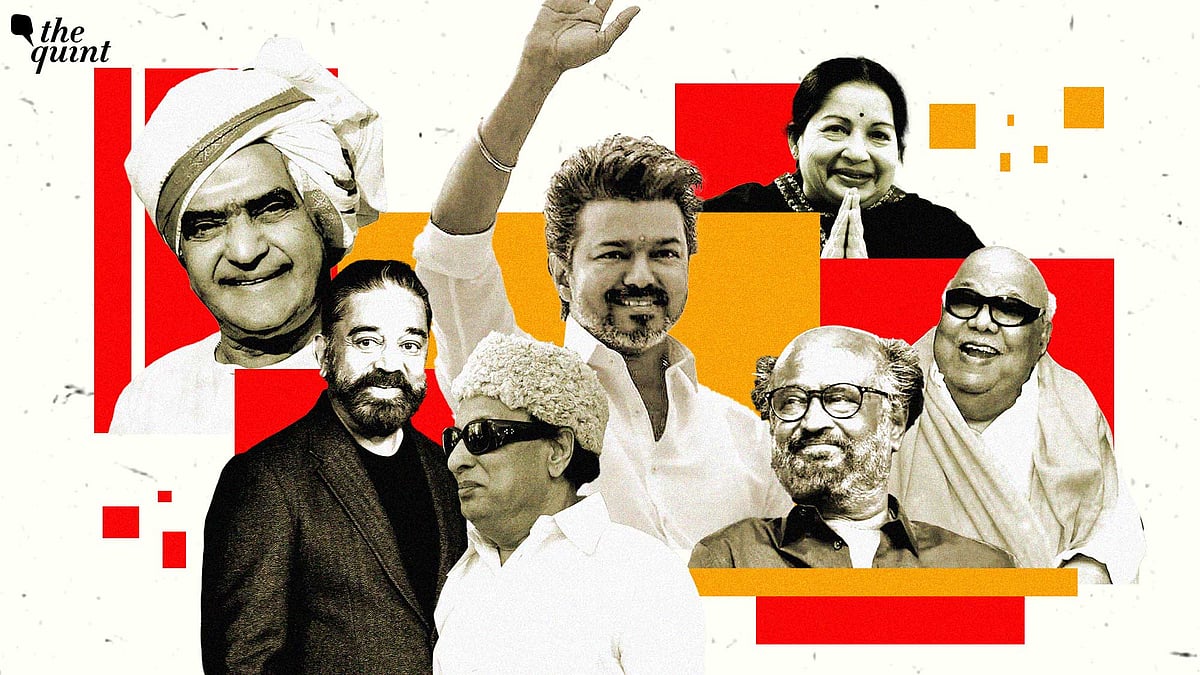
And now comes Vijay.
Through films like Mersal and Sarkar, Vijay cultivated the image of a crusader against corruption, inefficiency, and social injustice—a familiar cinematic pathway into politics in Tamil Nadu. His political arrival has electrified his massive fan base, which is youthful, digitally connected, and emotionally invested in his rise. The excitement surrounding his entry shows that the ancient alliance between cinema and politics in South India is far from over.
To outsiders, this fascination may appear irrational. Why should acting ability qualify someone to govern a state? But that question misunderstands the emotional grammar of South Indian politics.
Voters are not merely choosing administrators. They are choosing symbols—protectors, embodiments of regional pride, and familiar faces who have inhabited their imaginations for decades. In societies where politics often appears cynical, corrupt, and emotionally distant, the cinematic hero offers reassurance, familiarity, and hope.
The actor first enters people’s lives as a saviour on screen.
Then, one day, he steps off the screen and asks for votes.
And millions—already emotionally prepared by years of devotion in darkened cinema halls—hand them over willingly.
(The author is a Fellow of the Royal Geographical Society and Explorers Club USA, and Editor of ‘Indian Mountaineer’. He is also the founder of Bharatiya Yuva Shakti, an organisation that ensures good leadership at the village level. He tweets @AkhilBakshi1. This is an opinion piece, and the views expressed above are the author’s own. The Quint neither endorses nor is responsible for the same.)
‘ The preceding article may include information circulated by third parties ’
‘ Some details of this article were extracted from the following source www.thequint.com ’