As International Women’s History Month closes, it is crucial to recognize the recent strides of women in the entertainment industry. Historical barriers in Hollywood have posed challenges for women to rise to fame at the same rate as men. However, the female nominees and Oscar recipients made history at the 2026 Oscar Awards.
Glass ceilings are unofficial, systemic barriers preventing women from succeeding after a certain point in their profession. Historically, women working behind the scenes of films have faced challenges such as financing their projects, staff budgets and discrimination against their male counterparts.
While the number of women in executive positions in film has risen since 1980, they are still vastly outnumbered by men. Women only make up 15% of all show creators, with Black, Indigenous and women of color representing only 11-12.2%.
Onscreen stories have historically been told from a white male’s perspective, which shapes the public’s perception of film immensely. More women in high-level entertainment roles leads to more female representation on screen, dismantling the stereotypes pushed by male filmmakers.
It also encourages other women to pursue their dreams in the entertainment industry by breaking down past structural barriers.
These progressive steps have proved to be true with the results of this year’s Oscars.
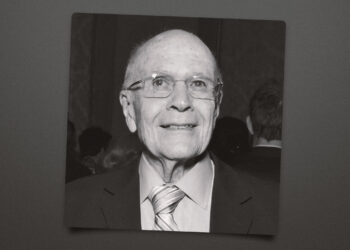
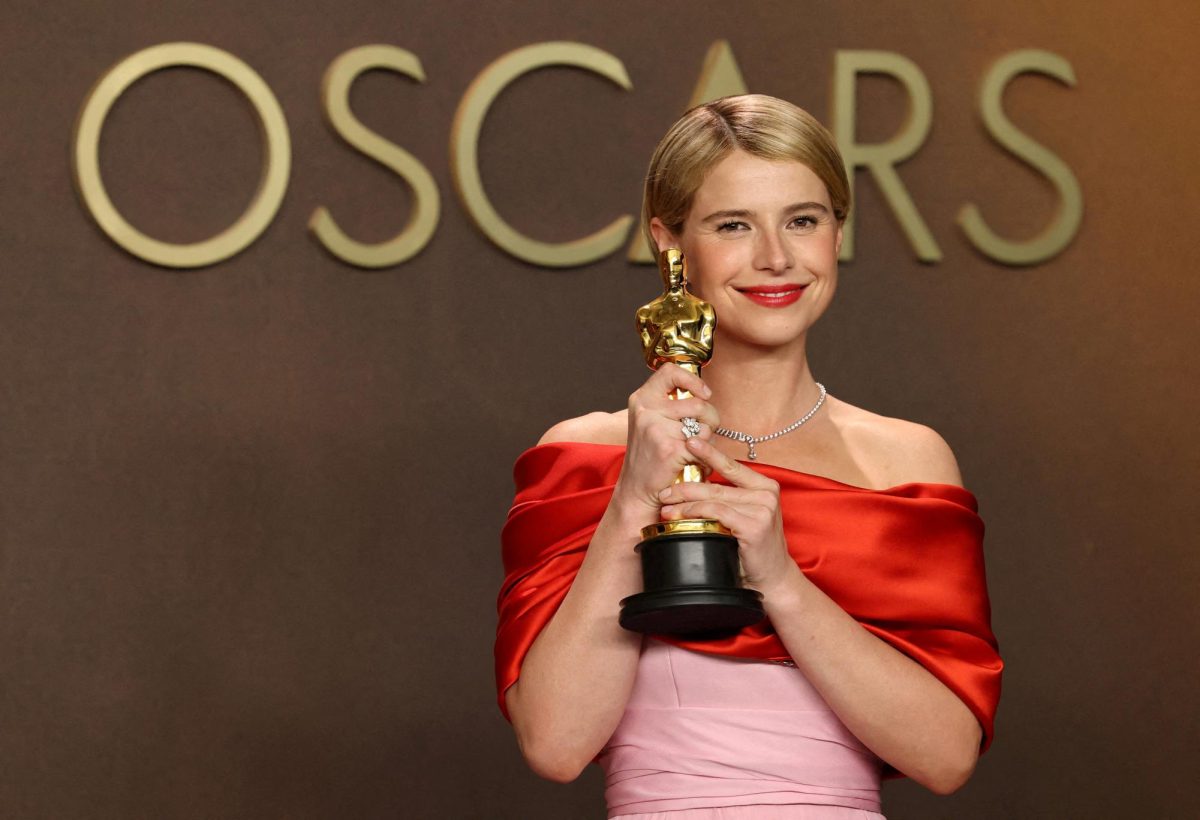
Marquette Alumna Amy Madigan, (Arts ‘72) won her first Oscar at 75 years old, proving it is never too late to achieve your dreams. She told ABC she has been acting since she was 19 years old.
“K-pop Demon Hunters” also had a groundbreaking night. The film’s co-directors Maggie Kang and Michelle Wong became the first women of Southeast Asian descent to win Best Animated Film, and one of its songs —”Golden” — sung by EJAE, Audrey Nuna and REI AMI, became the first K-pop song to win Best Original Song.
Autumn Durald Arkapaw became the first woman to take home an Oscar for Best Cinematographer for her work in “Sinners.” She was also the first woman of color to be nominated for this award.
“I have felt so much love from all the women on this whole campaign,” Arkapaw said in her acceptance speech. “I feel like moments like this happen because of people like you guys.”
For Chloé Zhao, an award-winning director from Beijing, her film “Hamnet” marked its eighth Academy Award nomination. Her 2021 Oscar win for “Nomadland” made her the second woman and first woman of color to win the prestigious award.
Despite her success, Zhao addressed that the work cycle of the entertainment industry is not structured to favor women, as it prioritizes high productivity in short periods of time. Zhao says this constant work cycle is not compatible with women’s bodies, making it difficult for women to thrive in high-level positions in the industry.
Women in high-level roles — directors, executive producers, cinematographers and more — are finally starting to receive recognition for their success after years of facing systemic barriers. Awarding women in high-level positions has been instrumental in dismantling the glass ceilings of the entertainment industry.
It is important that people continue to empower women in entertainment, as it serves as a form of escapism and inspiration for many. For all people, regardless of their gender or cultural background, entertainment forms how people understand identities besides their own.
When powerful female identities are put in the spotlight of the silver screen, they empower all women.
This story was written by Bella Gruber. She can be reached at [email protected].
‘ The preceding article may include information circulated by third parties ’
‘ Some details of this article were extracted from the following source marquettewire.org ’