To the uninitiated, the sight of a blood-soaked swordsman fighting on with an arrow lodged in his chest seems absurd. Yet, in the world of Hong Kong cinema, realism is rarely the point.
Martial arts films, whether “kung fu” fisticuffs or “wuxia” sword-fighting, operate on a unique logic of physical poetry and historical myth. Below, to help find your footing, we punch out some commonly held misconceptions about this widely cherished tradition.
Why the unrealistic fights and injuries?
Martial arts films are best enjoyed when viewers understand that the fights are not meant to be realistic. It is a convention of the genre that the protagonists can take more physical punishment than is humanly possible – not least because most real-world fights end within minutes.
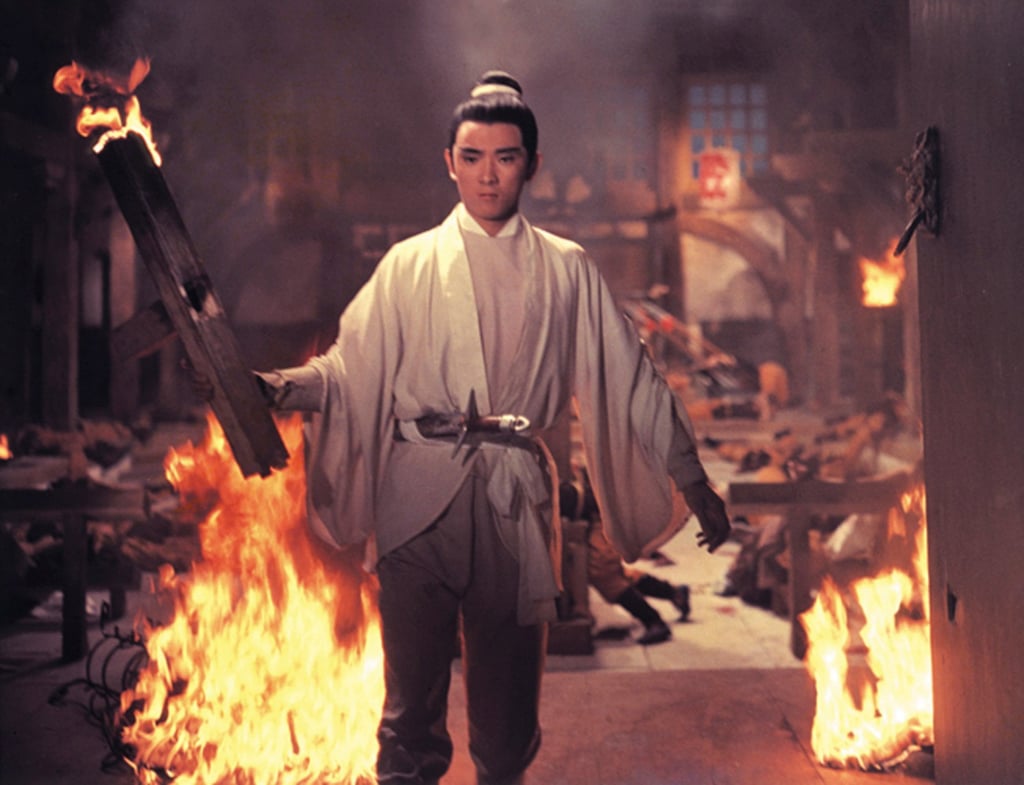
Jimmy Wang Yu in a still from Golden Swallow (1968). Photo: Shaw Brothers
Martial arts choreographers such as Sammo Hung Kam-bo extend scenes to showcase combat styles and highlight the performers’ skill and dexterity.
As for the long death scenes, they are imported from the Japanese swordfighting films, chambara, which were very concerned with the concept of dying honourably. The most emotionally draining example of this in a Hong Kong film is without a doubt Chang Cheh’s Golden Swallow (1968).
Is it real kung fu?
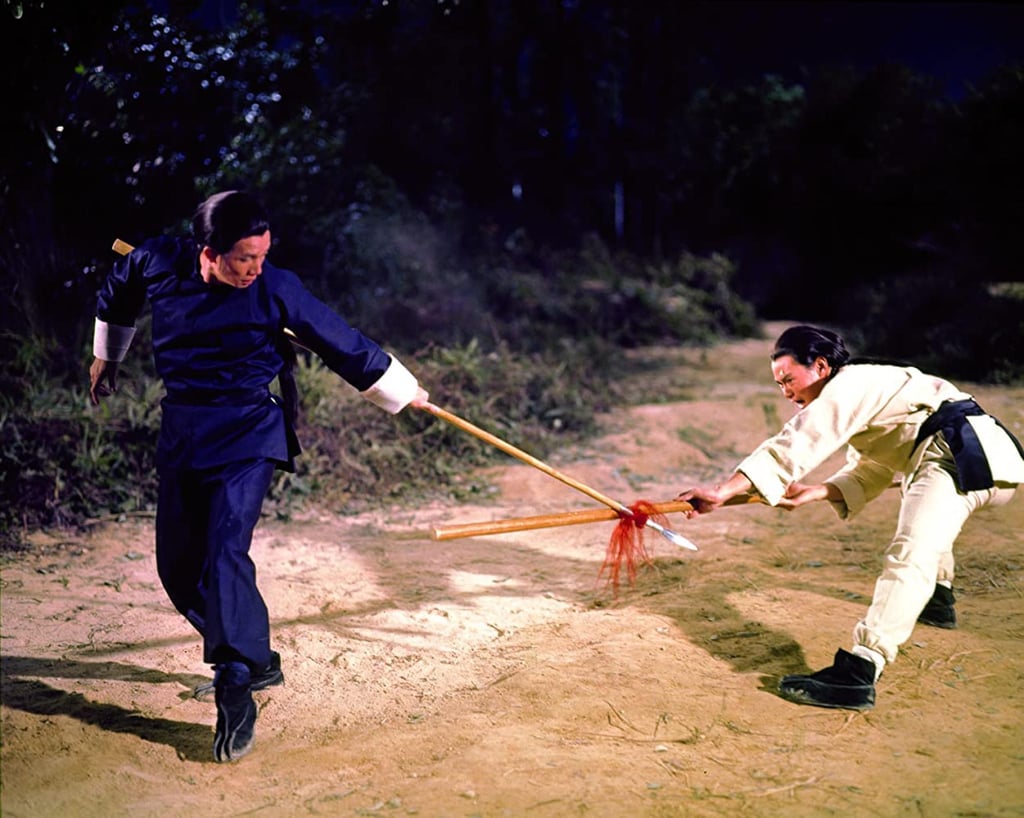
The kung fu styles and weapons styles are all based on real martial arts forms, but they are exaggerated, combined and adapted for movie entertainment.
Lau Kar-leung (left) and Gordon Liu in a still from Challenge of the Masters (1976). Photo: Shaw Brothers
‘ The preceding article may include information circulated by third parties ’
‘ Some details of this article were extracted from the following source www.scmp.com ’