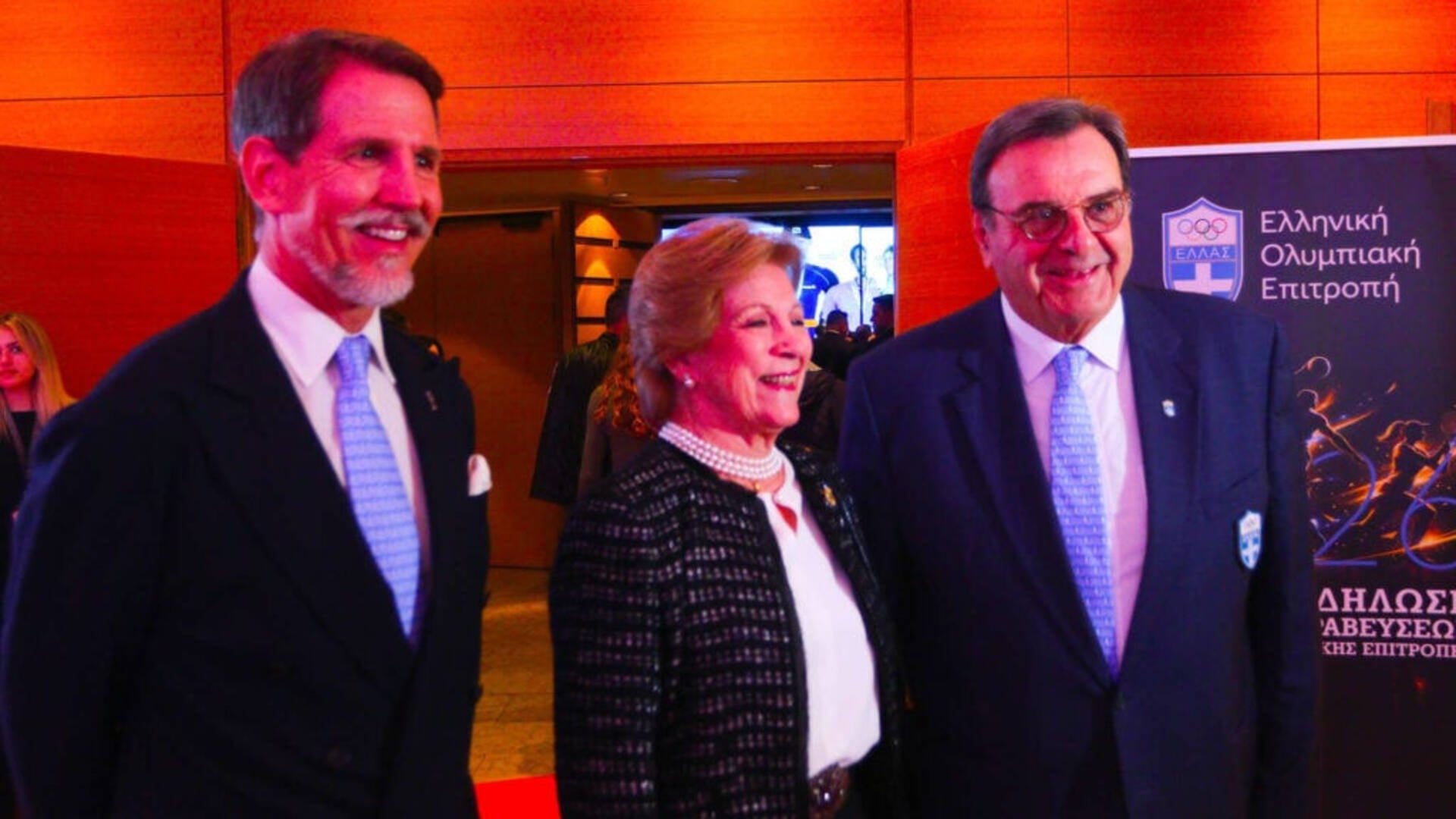
Greece’s highest administrative court has upheld the legal recognition of citizenship and surname for ten members of the former royal family, confirming their status as Greek citizens under the name “De Grèce” (of Greece).
In a closed-door deliberation, the Council of State rejected an appeal lodged by law professor Panagiotis Lazaratos, who had challenged the legality and constitutionality of the family’s citizenship and naming process.
The ruling clears the final legal obstacle, with the court affirming that the process complied with constitutional requirements and existing legislation. Once the decision is formally published, the individuals concerned will be entitled to all rights afforded to Greek citizens, including the right to vote and stand for public office.
The case centres on a 2024 ministerial act, signed by Interior Minister Theodoros Livanios, which recognised that the necessary conditions had been met for the reinstatement of citizenship under Law 2215/1994. The same decision authorised the registration of the ten family members in the Athens municipal registry.
Following their registration in the national citizens’ registry, the family members were able to obtain Greek identity cards and passports, having previously held Danish citizenship.
The decision applies to the five children of the late King Constantine II—Pavlos, Nikolaos, Philippos, Theodora and Alexia—as well as the five children of Crown Prince Pavlos and Marie-Chantal.
Their eligibility was contingent on meeting strict legal requirements set out in the 1994 law, including formal recognition of Greece’s republican system following the 1974 referendum that abolished the monarchy, renunciation of any claims to royal titles or privileges, and registration under a legally recognised surname.
Government spokesperson Pavlos Marinakis previously stressed that the process involved “no special treatment”, describing Greece as a “strong democracy” capable of safeguarding its constitutional framework.
The move comes nearly 50 years after the abolition of the monarchy, with the family formally declaring their acceptance of the Constitution and confirming they hold no claims against the Greek state.
Despite the legal resolution, the decision has raised questions among constitutional experts over the timing of the applications, noting that most of the family members do not reside permanently in Greece.
According to sources close to the family, the decision to seek citizenship reflects a desire to strengthen ties with Greece, particularly as Prince Nikolaos resides in the country and Pavlos has indicated an intention to spend more time there.
With citizenship now secured, legal experts note that the former royal family members hold full civic rights, including the theoretical possibility of entering political life—an option they have publicly ruled out.
‘ The preceding article may include information circulated by third parties ’
‘ Some details of this article were extracted from the following source neoskosmos.com ’