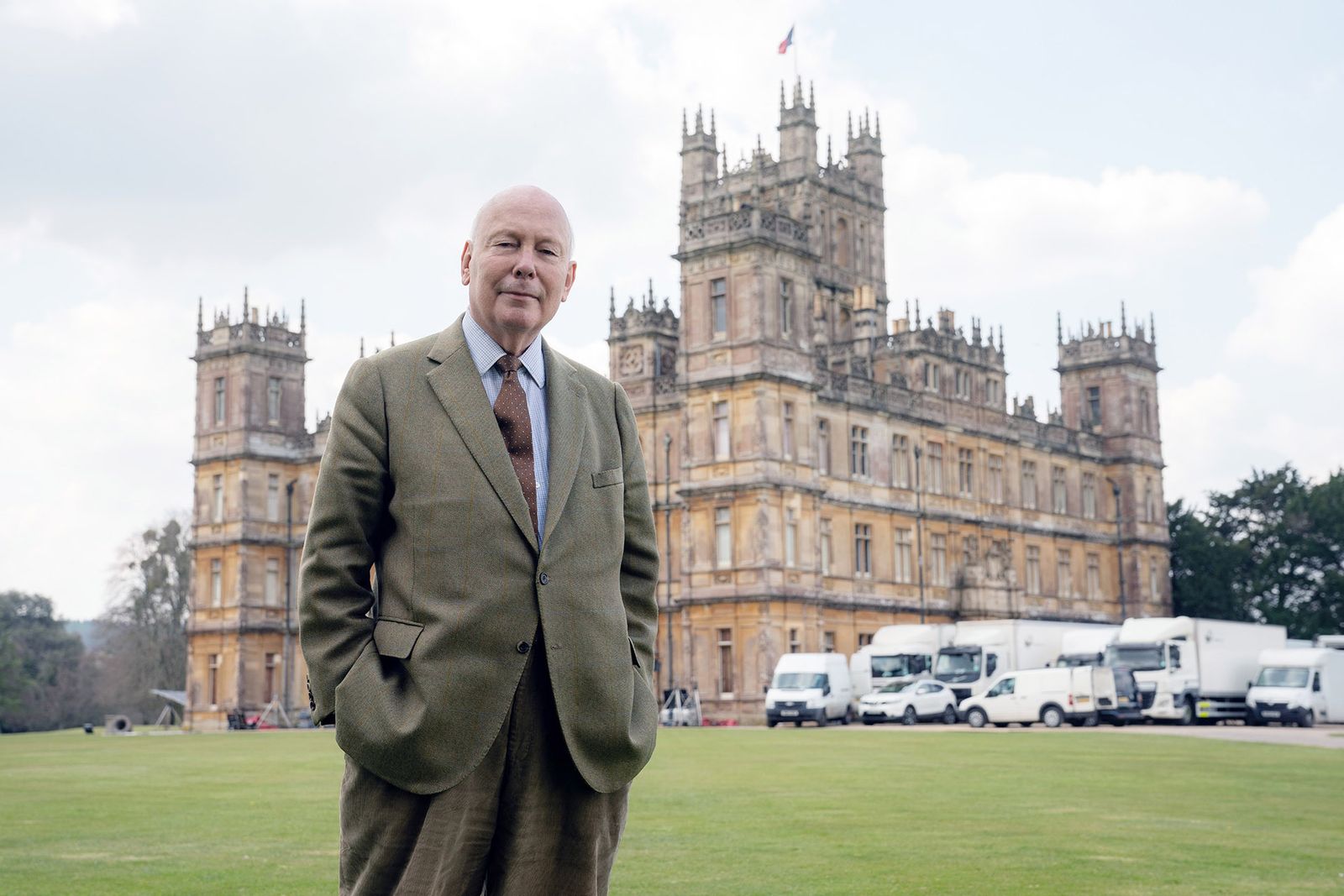
The social hierarchy of Downton Abbey is a cosy one. Yes, the Crawleys own the estate, but they’re on chummy terms with the servants and tenants who keep it running. Whether it’s Lady Mary becoming close friends with her housemaid, Lady Edith sharing a kiss with the farmer John Drake, or Lady Sybil tying the knot with the family chauffeur, Tom Branson, there are all sorts of mingling between upstairs and downstairs at Downton.
Here, alas, is the main discrepancy between the world of Downton Abbey and the social strata of bona fide Edwardian England, as Scott F Stoddard and Michael Samuel remind us in Exploring Downton Abbey: Critical Essays. They wrote, ‘The way that series intertwines the upstairs family with the downstairs crowd becomes a hallmark of the series, perhaps the most obliging nod to American audiences who do not always understand separation based on class and service.’ Because, by-and-large, Edwardian aristocrats were not inclined to treat their servants with even a modicum of kindness, let alone a post-tractor-ride snog.
‘The truth would be impossible without turning the Earl of Grantham and his family, the Crawleys, into villains,’ Polly Toynbee writes in The Guardian, ‘with the below-stairs denizens their wretched victims – a very different story, and not one Julian Fellowes would ever write.’ Toynbee outlines in stinging detail the brutal conditions the ‘downstairs’ contingent of Downton Abbey would be forced to endure, including the hands calloused by caustic soda, the slopping out of chamber pots at 5:30 am, and the reek of sweat from workclothes they could find no time to wash. Actually, that’s one thing the show did get right: the costume department employed a ‘no wash’ policy for many of the outfits, to ensure that historically accurate musk.
Workplace romances
One thing that kept pulling audiences back to Downton Abbey was the love affairs that blossomed between the staff members. It might be that the Crawleys would have been far less kind to their butlers and maids than the Lord Fellowes of West Stafford suggested, but surely they would be able to strike up a romance as they lit the country house fires?
Not so, says Dr Carolyn Harris, who told History Extra that aristocrats would have actively discouraged any frissons between their employees during the early 20th century. That means Mr Carson and Elsie Hughes falling in love would have been a major no-no, as would John Bates and Anna Smith’s downstairs dalliance. Dr Harris cites the real-life example of Evelyn Cavendish, Duchess of Devonshire, who in 1917 very seriously considered firing her lady’s maid Miss Stiles, having discovered her relationship with the Duke of Devonshire’s valet, one Mr Taylor. ‘We feel sure they are living together,’ the Duchess wrote to her mother-in-law, ‘It is a bad example in the house, even if the worst has not happened.’
Downton Abbey itself
‘ The preceding article may include information circulated by third parties ’
‘ Some details of this article were extracted from the following source www.tatler.com ’