Lawrence Young, emeritus professor of molecular oncology at the University of Warwick, said that the next stage, the so-called “precautionary phase”, was critical to every patient’s cancer journey.
“The crucial thing is regular checking and monitoring,” he told The Telegraph.
“That would mean regular follow-up appointments, regular examinations, and particularly testing for any likely recurrence.”
Normally, Prof Young says, the next stage of the cancer journey involves optimising a person’s health. This includes blood tests, scans, ensuring full vaccination status and managing any side-effects as well as a well-rounded day-to-day healthy life.
“A lot of recovery is about getting back into physical activity, pacing yourself and a healthy diet,” Prof Young said.
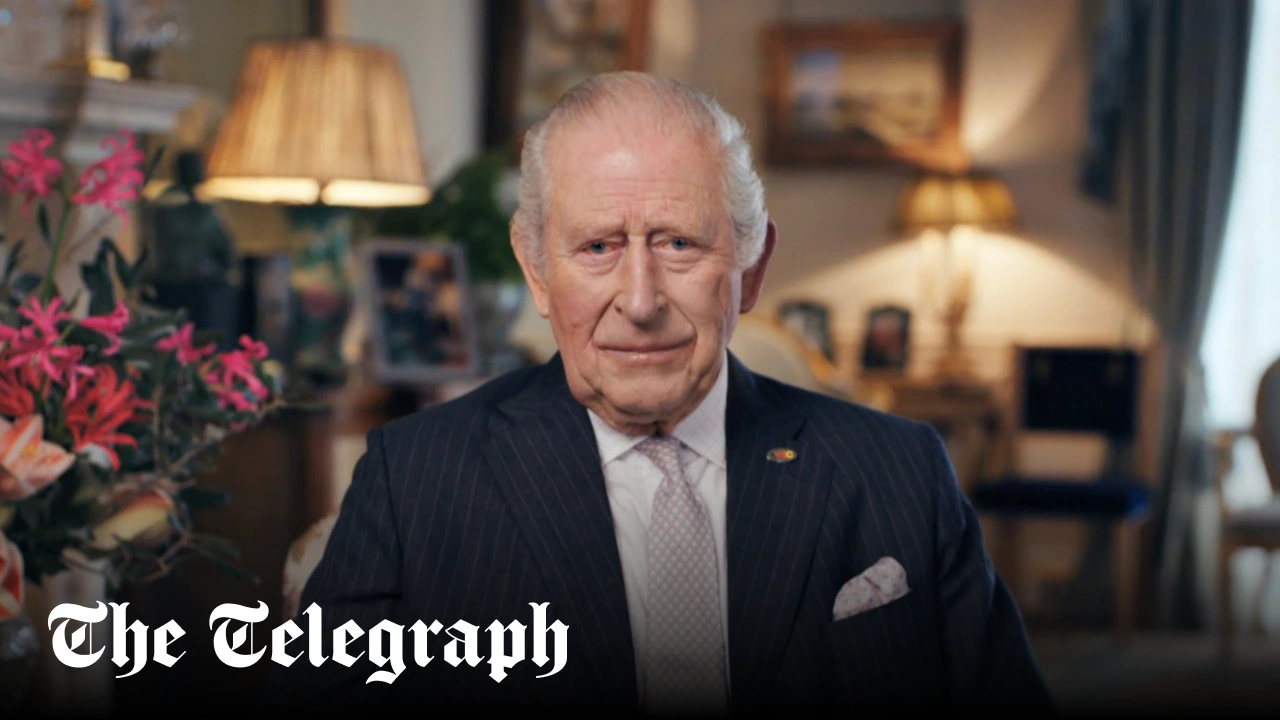
“The King has always been interested in a healthy diet and he’s been very visible the last year or so and he’s looked pretty well, actually.”
Mental health and wellbeing are also key, and sometimes forgotten, elements of this next stage of recovery.
“Recovery is a very holistic thing and mental health is an aspect of that,” Prof Young added.
Continuing duties
The King’s new year will be different to the last 21 months since it was revealed he had cancer, and he has continued his royal duties, domestic and foreign, and raised awareness of cancer of all kinds.
He has called this milestone in his own recovery a “great personal blessing”, and it is one that he has shared with the public, as he has done throughout his journey.
Not everyone has the same access to doctors, scanners and medicines as His Majesty, but his positive outlook, healthy lifestyle, openness and bravery in the face of what Prof Young calls the “cancer wall” have been an inspiration for the 3.5 million people living with cancer in the UK, and their loved ones.
“I think he’s been very brave in many respects,” Prof Young said.
“He’s obviously somebody who is very keen to demonstrate that you can live through this.”
This bravery to talk about his cancer diagnosis, treatment and now this change in approach has inspired many to get screened themselves, probably saving lives.
“We know that when public figures speak openly about their cancer diagnosis, it can prompt others to check in on their health and speak to a GP if something is worrying them,” said Michelle Mitchell, chief executive of Cancer Research UK.
“Spotting cancer early can make a real difference and provides the best chance for successful treatment.”
Dame Laura Lee, chief executive of cancer care charity Maggie’s, commended the King and said his openness “will give more people with cancer the courage to talk about their own experiences”.
“While the post-treatment path can be incredibly challenging and help is often needed to navigate the long-term consequences, with the right support people can live full and productive lives with and beyond cancer.”
‘ The preceding article may include information circulated by third parties ’
‘ Some details of this article were extracted from the following source www.telegraph.co.uk ’