#royalty #royalfamily #thetudors #anneboleyn #queen
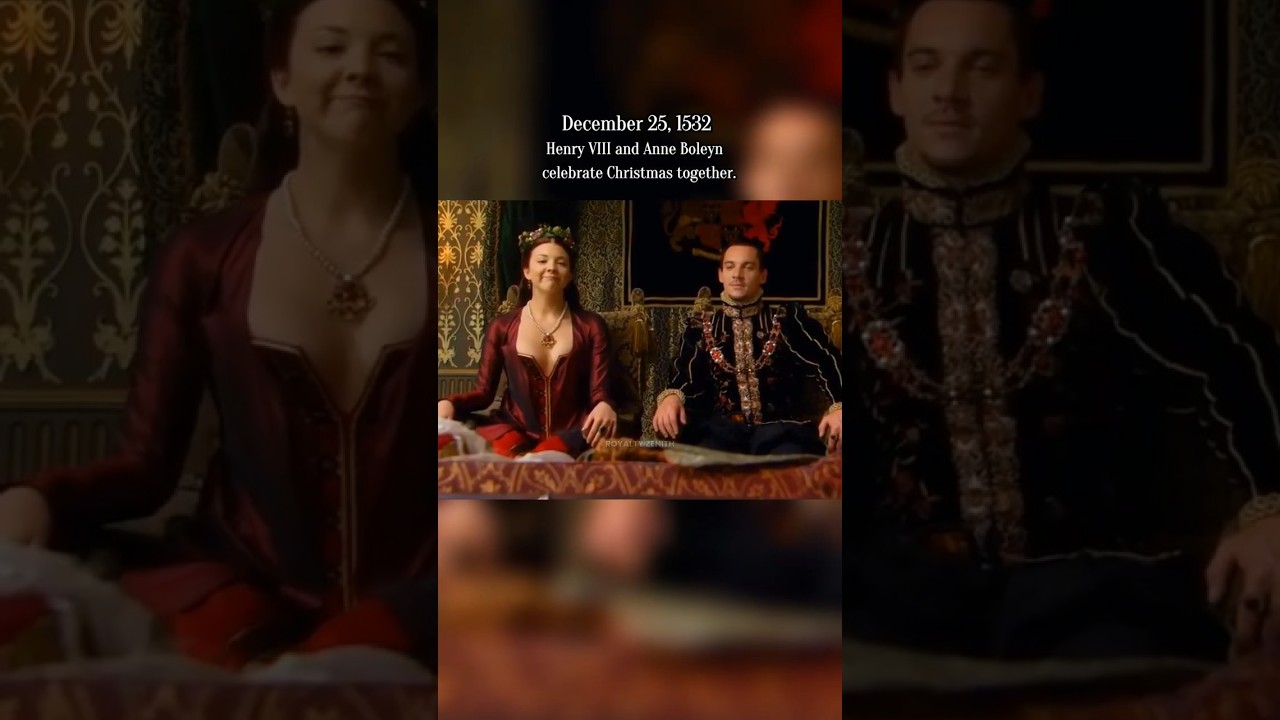
In the winter of 1532, the court of Henry VIII shimmered with anticipation and tension. The King was determined to sever ties with Catherine of Aragon, and Anne Boleyn had already become the central figure in his life. While modern traditions emphasize Christmas Day itself, the Tudor court placed greater importance on the festivities of the Twelve Days of Christmas and the exchange of gifts at New Year.
That year, Anne Boleyn presented Henry with an exotic and symbolic gift: a set of richly decorated Pyrenean boar spears. Such a gift was not only practical for hunting, one of Henry’s favorite pastimes, but also a gesture of intimacy and loyalty. In return, Henry showered Anne with hangings of cloth of gold, silver, and embroidered crimson satin, meant to adorn her chambers and bed. These gifts were deeply personal, signaling Anne’s rising status and Henry’s devotion.
The exchange also carried political weight. Henry refused the customary gift from Catherine of Aragon, a gold cup, making clear to all at court that his marriage to Catherine was effectively over. Thus, the Christmas season of 1532 was not merely a time of merriment but a turning point in Tudor history. It marked Anne’s ascendancy and Catherine’s decline.
Video Source