Editor’s note: The intersections of art and education are often overlooked. The Seattle Times will periodically publish pieces by young people in Washington about their perspectives on these subjects.
The final powerful, resounding note of Sibelius’ 2nd Symphony fills the hall, signifying the end to the whirlwind of emotions — love, triumph and resilience — that the past 20 minutes of music carried.
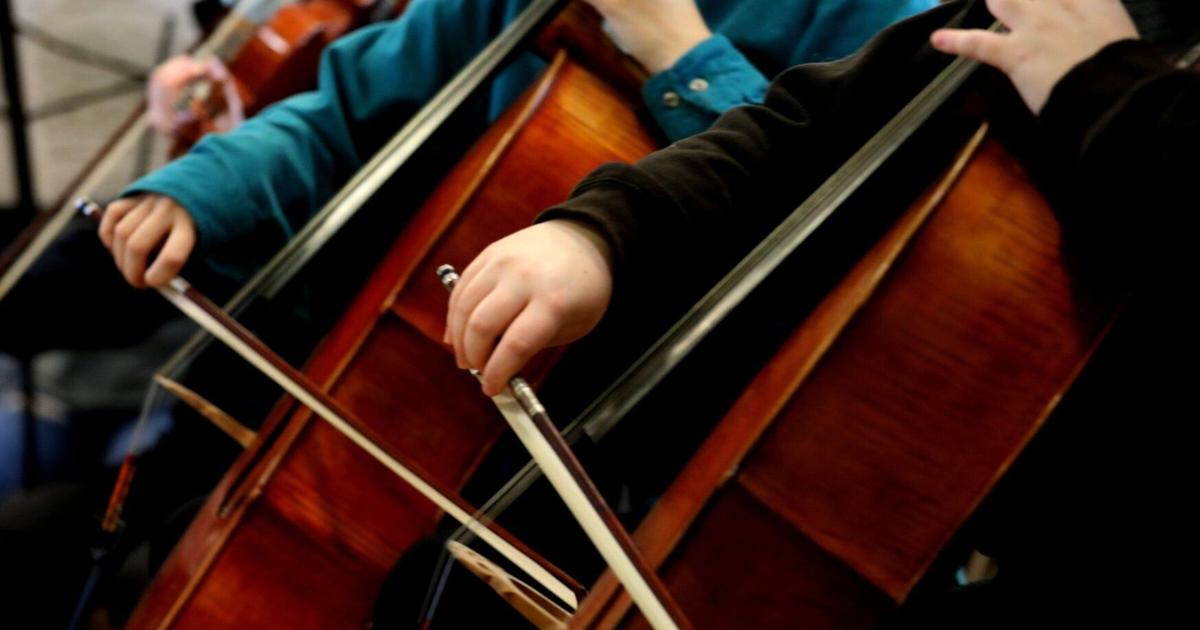
After hours of evening rehearsals and practice, these 40-some students — part of the Bellevue Youth Symphony Orchestra — share their work with others through concerts. Local youth orchestras like these enable young musicians to perform and create music with other students their age.
The Bellevue Youth Symphony Orchestra and the Seattle Youth Symphony Orchestra are two of the largest places for Seattle-area students to explore themselves through music alongside their peers.
These youth orchestras, composed of passionate and driven young musicians, foster unique communities like no other. United through music, student musicians have found special ways to connect and collaborate with one another, all while navigating the surprises and pathways that creating music brings.
Isabella Molano, a junior at Henry M. Jackson High School in Mill Creek, is a violinist in the Seattle youth orchestra. She shared that students in orchestra “make the greatest friendships” and “connect more with people in those times of anxiety” when musicians “really need to come together.”
Even in competitive situations like seating auditions, where musicians compete for a ranked seat in the orchestra, she recalled the frenzied panic in her group chats that still garnered a sense of community. Instead of individualized competition, she said their shared mindset of “how can we help each other?” formed a deeper sense of connection between the young musicians.
“Or the seating audition is next week, and we’re all online talking about it, like, ‘How can we help each other?’” Molano said. “For something that we all want to work for, I think it brings you together, very quickly.”
The magic of music is that it fosters connection in any situation, regardless of whether it’s a shared success or challenge.
The bonds formed from creating music are not confined to their immediate orchestral communities; the music youth orchestras create forms connection between musicians and their audiences, too.
SYSO oboist Juliana Zheng said that speaking to audience members after concerts highlighted how she could “benefit the lives of other people.” She recalled her conversations with older adults in the audience after concerts, where she learned how the music could affect their audience.
“A lot of (audience members) talk about how they used to play music when they were younger and what music means to them,” said Zheng, a senior at Interlake High School in Bellevue. “It’s really honoring and inspiring and it also pushes you to really want to be proud of your work.”
Additionally, these orchestras cultivate unique skill sets for young musicians. Juan Felipe Molano, the music director of SYSO, emphasized that youth orchestras teach musicians how to work with others, whether through leading or following.
The lessons and values that orchestras impart extend well beyond the stage. Molano said he seeks to teach his students to “become better citizens for this world,” noting how these programs teach students how to work collectively toward a shared goal, collaborative skills they can draw upon in future endeavors whether or not they pursue music careers.
“The orchestra is an entity that has so many different roles, so many different responsibilities — they can transfer everything they learn in youth orchestra towards whatever they want,” Molano said, referring to his students. (Isabella Molano is his daughter.)
Chloe Chiang, a senior at Bellevue High School and violinist in BYSO, shared that youth orchestras teach ways to “supplement orchestra and music in your life” and provide “a chance to bring music to your community.”
Thanks to youth orchestras, students who may not formally pursue music in their future are motivated to explore the various pathways they can take with music and their communities. Chiang referenced playing in community orchestras or finding small gigs as possible paths to incorporate music in her future.
The existence of these community orchestras outside of school becomes more important against a backdrop of growing funding cuts for school performing arts programs. Many school districts place more emphasis on funding for sports than performing arts, making these programs often first on the chopping block when the district makes funding cuts. Programs dedicated to sharing music with young musicians, like SYSO and BYSO, provide a reliable channel for students to continue to create high-quality music alongside their peers. These programs create a community students can depend on to explore their artistic expression alongside their equally passionate peers through weekly two-hour rehearsals.
So how can aspiring community musicians get involved with community-based music programs like SYSO and BYSO?
There are many different programs available for Seattle-area students. The Seattle Youth Symphony Orchestra hosts various summer programs for musicians, such as SYSO Summer Music, designed for young musicians, and Marrowstone, an intensive summer program for advanced students.
Additionally, school-year community orchestra programs at both SYSO and BYSO generally open for auditions during the summer (specific dates may vary). Many of these programs offer financial assistance to ensure that any interested student can participate.
Don’t hesitate to go out, visit and experience a local youth orchestra performance to explore the endless possibilities music can provide.
This essay was written for The Seattle Times through theTeenTix Press Corps, a teen arts journalism program sponsored by TeenTix, a youth empowerment and arts access nonprofit organization.
‘ The preceding article may include information circulated by third parties ’
‘ Some details of this article were extracted from the following source www.yakimaherald.com ’