The following content contains references to sexual violence some readers might find upsetting.
The title of ITV’s latest true crime drama, Believe Me, succinctly informs viewers about what fails to happen both in the four-part series, and also in an overwhelming amount of sexual violence cases – women are not believed.

Dubbed the ‘black cab rapist,’ Worboys is one of most prolific sex attackers in British history. As the crass moniker suggests, Worboys would pick up women in his taxi after a night out and claim he’d just had a big casino or lottery win.
Instead, the writer wants to use his platform to centre the female victims of sex attacks, and bring the shocking lack of convictions even after “the most horrendous process” women go through after reporting an attack, into sharp focus. “What does interest me is the proximity to crime and to evil,” Jeff says.
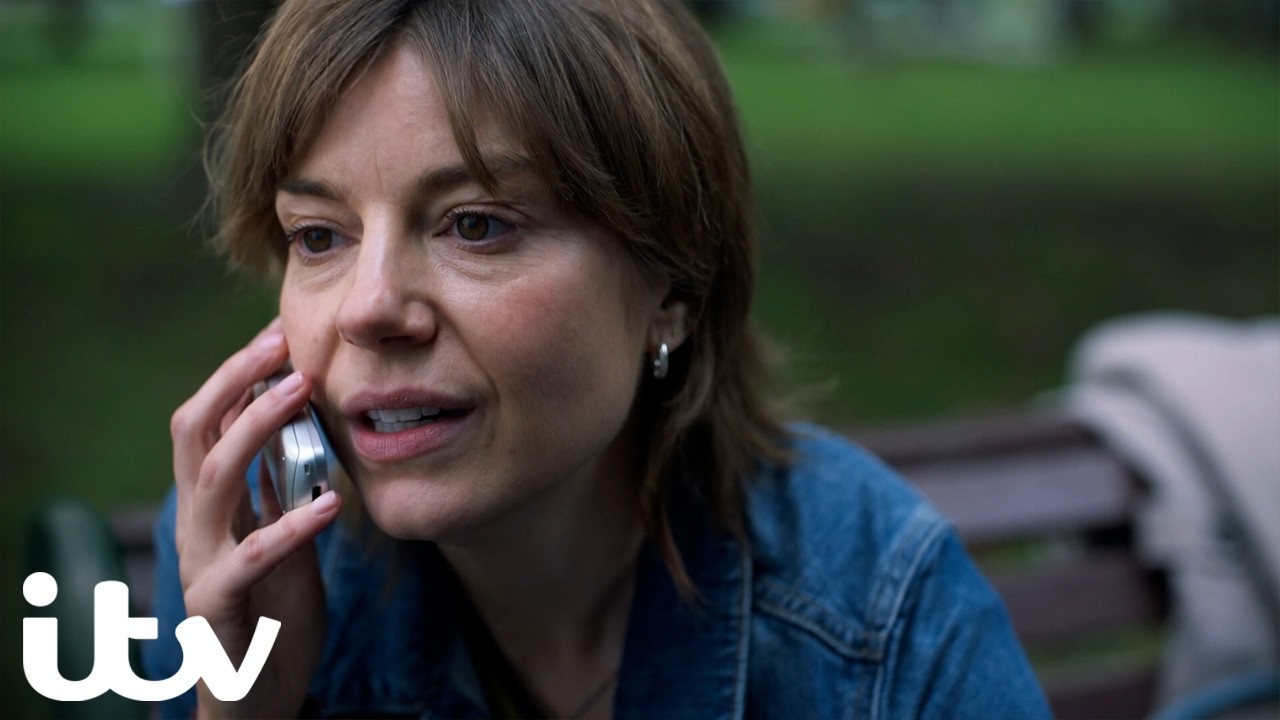
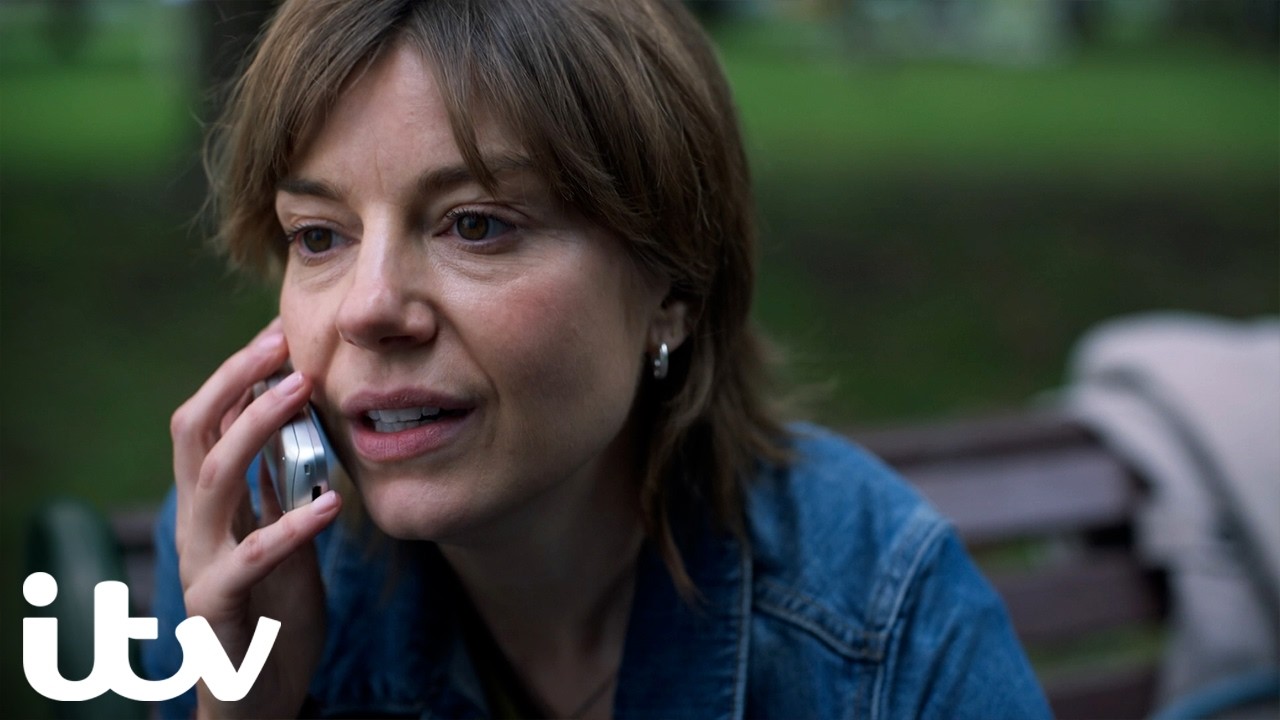
The drama focuses on Sarah (Aimée-Ffion Edwards) and Laila (Aasiya Shah), both pseudonyms and not the real names of the victims, who both immediately reported sexual assaults by Worboys to the Metropolitan Police, who then promptly failed to thoroughly investigate their allegations.
Police failings effectively left Worboys free to continue assaulting women undetected for many years after his crimes were reported, and Jeff Pope felt frustration about this while writing the show.
“I can remember spending months and months being angry as I was writing and pulling together all the elements of research,” he says, adding, “It’s a shocking kind of state of the nation piece, with regard to how we in the UK, and specifically our police, treat sexual offences.”
He continues, “What the story really shows is that there is too much [of this crime]. There is too much of a prevalence, and investigations into offences like this, which can destroy lives, are shut down.”

(Image credit: ITV)
In the show, Sarah and Laila join forces with solicitor Harriet Wistrich (Philippa Dunne) and barrister Phillippa Kaufmann QC (Rachael Stirling) to sue the Metropolitan Police under the Human Rights Act for their failures relating to the investigation.
The women say also being subjected to degrading treatment after reporting their attacks, which ultimately didn’t result in any action being taken, contributed to their distress.
They win their case, but Jeff was very keen to incorporate the looming element of degradation into the storyline. “We take the audience along the journey with these women as they go through reporting being assaulted, hours of interviews, intimate examinations, more interviews, samples are taken, intimate swabs,” he says.
The writer adds, “These women just went through the most horrendous process, all ultimately to be told, we don’t believe crime has happened. Essentially, we don’t believe you.”
Of course, it doesn’t need to be said that misogyny plays a huge role in the poor rates of conviction for sexual assault. The creative team behind the show spoke to the real Sarah and Laila as part of their research, and the perception of women is something that was glaringly obvious when they relayed their experience.
Interviewed by police, the women would be placed “in situations where they were one on one, where some of the questions they asked were ridiculous,” Jeff says, adding, “Laila’s characters is asked, ‘Would you consider yourself the type of person who wears red nail varnish?'”
“Which was… What on earth? As the real Laila said, ‘What on earth has that got to do with anything? My nail varnish?'”
Eventually, Sarah, Laila, Harriet and Phillippa were joined by Carrie Symonds (Miriam Petche), who was targeted by Worboys when she was younger and narrowly escaped, who come together when it look like Worboys will be released after eight only years behind bars.
The ladies push for an unprecedented judicial review of the Parole Board’s decision, and their campaign is successful, and Worboys’ parole quashed. Their bravery results in significant and much-needed changes to the law.
Aimée-Ffion Edwards also shares her experience of meeting with the real Sarah to prepare for the role, and what a humbling time it was to spend time together.
“She was so open and generous, and she’s absolutely amazing – I asked her who she was before this happened, because that is so important” she says.
The actress adds, “You need to show how much this has changed people’s lives. It’s huge, and it changes people’s lives in a very quick, dramatic way – their inability to now get on a tube, or to interact with people. It’s a privilege to speak to her.”
‘ The preceding article may include information circulated by third parties ’
‘ Some details of this article were extracted from the following source www.womanandhome.com ’