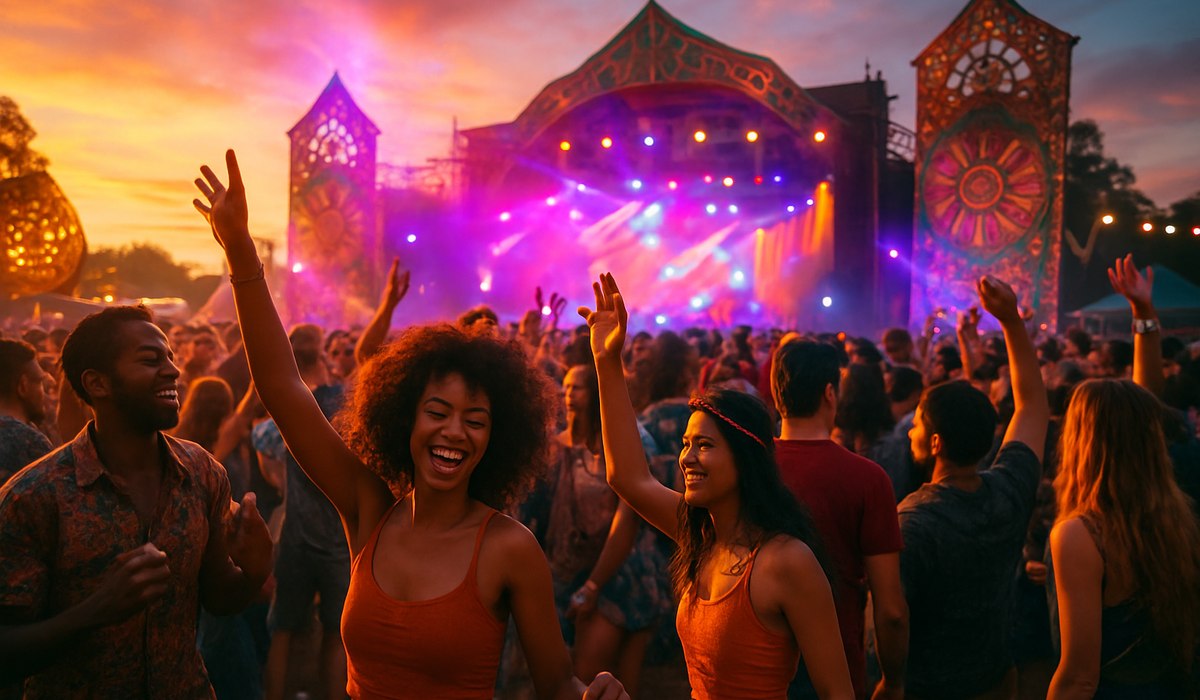
Indian Travellers Are Ditching Destinations for Festival Experiences
Indian outbound travellers are fundamentally reshaping how they plan vacations. Rather than selecting destinations and hoping for experiences, they now prioritize festivals, music events, and cultural celebrations as their primary travel anchor. This shift represents a significant departure from traditional tourism models where destination appeal determined itinerary planning. The change signals a maturation in how Indian travellers view international trips—not as checkbox exercises through famous landmarks, but as immersive cultural participations. This emerging trend reflects broader transformations in global tourism preferences, where experiential travel increasingly outweighs conventional sightseeing.
The Festival-First Travel Phenomenon Among Indian Tourists
Indian travellers returning from abroad increasingly cite music festivals and cultural events as primary motivators for their trips. Major events—from European summer music festivals to Asian cultural celebrations—now drive booking decisions months in advance. These travellers research festival calendars before selecting destinations, reversing the traditional planning sequence.
Festival-based travel appeals to Indian millennials and Gen Z audiences seeking authentic cultural immersion. Unlike guided city tours or museum visits, festivals enable direct participation in local celebrations. Attendees interact with diverse communities, sample regional cuisine, and experience cultures through genuine engagement rather than observation. This participatory aspect creates stronger emotional connections and memorable narratives for sharing on social media platforms.
The trend extends beyond mainstream music festivals. Food festivals, heritage celebrations, film festivals, and regional cultural events now attract dedicated Indian travel cohorts. These smaller, specialized festivals often offer deeper cultural insights while avoiding overcrowded mainstream tourist zones. Indian travellers appreciate the authenticity and exclusivity these niche events provide.
How Music Festivals and Cultural Events Drive Extended Stays
Festival schedules naturally extend travel durations beyond typical week-long vacations. A three-day music festival often encourages arrivals three to four days early and departures several days later. This extended window allows travellers to explore surrounding regions, reducing per-day travel costs and increasing overall trip value.
Extended stays generate significant economic benefits for festival host cities. Indian travellers staying 10-14 days instead of 5-7 days spend more on accommodation, dining, local transportation, and ancillary attractions. They support local businesses beyond festival venues—restaurants, shops, museums, and tour operators all benefit from this extended patronage.
Furthermore, festival attendance creates built-in social structures that enhance travel experiences. Travellers connect with other festival-goers, forming temporary communities that explore destinations collectively. These social networks encourage spontaneous local exploration and discovery. Many Indian travellers report that friendships formed at festivals lead to return visits and deeper destination connections over subsequent years.
The extended-stay model also appeals to remote workers and digital nomads increasingly prevalent among Indian outbound travellers. Festival attendance provides structured vacation frameworks while allowing flexible work arrangements. This hybrid model makes longer international trips more economically feasible for employed professionals.
The Shift From Destination Tourism to Experience-Led Travel
Traditional destination tourism emphasized landmark collections—visiting famous monuments, photographing iconic sites, checking off bucket-list locations. This model prioritized geographical prestige over personal enrichment. Indian travellers are now rejecting this transactional approach in favor of experience-led frameworks.
Experience-led travel prioritizes participation, learning, and emotional resonance over location status. A festival attendee returns home with personal narratives, new skills, cultural insights, and genuine friendships. These outcomes transcend typical sightseeing memories and create lasting identity impacts.
This philosophical shift reflects changing values among Indian travellers. Younger generations prioritize authenticity and personal growth over status symbols. Social currency increasingly derives from unique experiences rather than famous destination visits. Instagram and social media amplify this dynamic—experience stories generate more engagement and narrative interest than landmark photography.
The shift also reflects growing awareness of overtourism. Indian travellers increasingly recognize that popular destinations have become congested, commercialized, and culturally diluted. Festivals offer alternatives to worn tourist circuits while supporting local economies more directly. Festival spending directly benefits host communities rather than multinational hotel chains and tourism corporations.
What This Means for the Global Travel Industry
The Indian traveller shift toward festival-based tourism signals fundamental industry evolution. Global tourism boards and destination marketing organizations must recognize that festival calendars are now as important as geographical assets. Destinations without established festival cultures face competitive disadvantages in attracting discerning international travellers.
This trend encourages festival infrastructure investment across emerging destinations. Countries and regions previously underrepresented in outbound Indian travel now develop or expand cultural events to attract this valuable market segment. Southeast Asia, Eastern Europe, and parts of South America are capitalizing on this trend through festival promotion.
The shift also impacts accommodation and hospitality sectors. Festival hosting periods now drive occupancy rates more predictably than seasonal tourism patterns. Hotels and homestays increasingly coordinate with festival organizers to offer packages. Festival-adjacent accommodations command premium pricing compared to off-festival periods.
Transportation networks benefit similarly. Airlines expand capacity on festival-related routes during event periods. Ground transportation, especially for festival-to-adjacent-destination trips, sees increased demand. Tour operators increasingly specialize in festival travel, offering curated packages combining festival attendance with complementary regional exploration.
For Indian travellers returning from festival experiences, the cumulative impact reshapes outbound tourism’s future direction. Rather than following traditional destination-first models, Indian tourism export boards should support festival promotion, cultural event coordination, and experience-based tourism development. This alignment with traveller preferences creates sustainable competitive advantages in global tourism markets.
Best Time to Visit Festival Destinations
Optimal festival travel timing varies dramatically by event type and location. Summer months (June-August) host major European music festivals, making these periods peak travel windows for Indian travellers. However, earlier planning is essential—popular festivals sell out 3-6 months in advance.
Asian cultural festivals cluster around specific calendar dates. Chinese New Year (January-February), Indian festival seasons (March-October), and Southeast Asian celebrations follow distinct schedules. Researching festival calendars 12 months ahead enables better flight pricing and accommodation availability.
Shoulder seasons surrounding major festivals often provide superior travel experiences. Arriving one week before festivals allows destination acclimatization without festival crowds. Post-festival stays enable relaxed local exploration after event intensity subsides. Travel costs during these shoulder periods remain reasonable while offering comfort advantages.
Climate considerations matter significantly for festival comfort. European summer festivals occur during favorable weather, while Asian monsoon seasons (May-September) affect several regional celebrations. Researching destination weather patterns alongside festival dates ensures pleasant attendance experiences.
How to Get There
Flying from major Indian hubs (Delhi, Mumbai, Bangalore) to festival destinations requires advance planning. Direct flights to European festival cities from Delhi and Mumbai maximize comfort while minimizing travel fatigue. Booking 3-4 months ahead secures competitive fares and seat selections.
For Asian festival travel, regional airports often provide cost advantages. Flying to Bangkok or Singapore for Southeast Asian festivals typically costs less than flights to smaller festival cities. Onward ground transportation to festival venues remains affordable and efficient.
Festival organizers frequently partner with airlines and travel agencies offering package deals. Indian travel websites and festival-specific platforms display these packages prominently. Bundling flight, accommodation, and festival passes often yields 15-25% savings versus independent bookings.
Ground transportation to festival venues varies by location. European festivals typically feature shuttle services from major cities. Asian festivals sometimes require multi-leg journeys combining flights, trains, and local transport. Research venue accessibility before finalizing bookings.
Travel insurance becomes essential for festival-based trips. Coverage for weather-related cancellations, health emergencies at events, and baggage protection protects significant investments. Festival-specific travel insurance policies address event-related contingencies standard plans may exclude.
Festival Traveller Tips
Advance booking proves critical for festival success. Accommodation within walking distance of festival venues disappears months before events. Booking housing immediately after flight confirmation secures optimal locations and reasonable pricing.
Pack strategically for festival environments. Weather extremes—muddy fields, intense sun, cold nights—demand versatile clothing and quality footwear. Festival camping requires sleeping bags rated for seasonal temperatures. Professional festival packing lists prevent mid-event discomfort that diminishes enjoyment.
Connect with
‘ The preceding article may include information circulated by third parties ’
‘ Some details of this article were extracted from the following source www.nomadlawyer.org ’