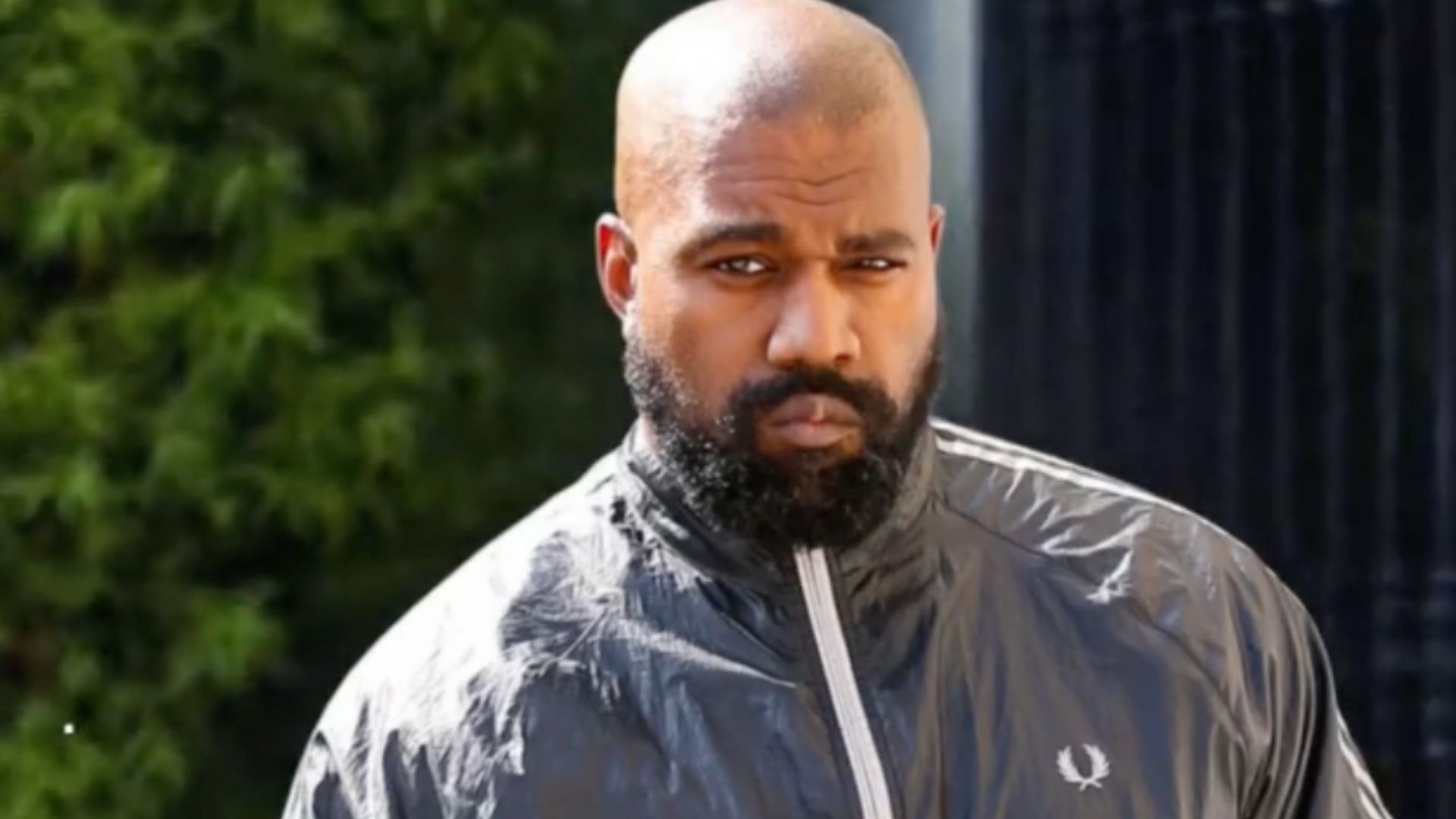
The UK government has reportedly denied entry to Kanye West, preventing the artist from travelling to London amid ongoing controversy surrounding his public statements. The decision has drawn widespread attention, especially as it comes ahead of major music events where his presence was anticipated.
According to reports, authorities determined that allowing Kanye West into the country would not be “conducive to the public good,” a standard used by the UK government in cases involving security, social cohesion, and public interest. The move reflects growing scrutiny of high-profile figures whose actions or statements may have broader societal impact.
Kanye West should never have been invited to headline Wireless.
This government stands firmly with the Jewish community, and we will not stop in our fight to confront and defeat the poison of antisemitism.
We will always take the action necessary to protect the public and…— Keir Starmer (@Keir_Starmer) April 7, 2026
The decision is understood to be linked to West’s past controversial remarks, including statements that drew criticism globally. While the artist has remained a major figure in the music industry, his public image has been shaped in recent years by a series of incidents that have sparked debate and backlash.
Impact On Events And Industry Reaction
The development has also had implications for the live events industry. Kanye West had been expected to play a key role at major music festivals, and his absence has forced organisers to reassess line-ups and planning.
Music events such as the Wireless Festival often rely heavily on headline acts to drive ticket sales and audience interest. The uncertainty around his participation has added pressure on organisers and raised questions about contingency planning when dealing with controversial artists.
At the same time, sponsors and stakeholders are increasingly cautious about associating with figures involved in public controversies. The situation highlights how reputational considerations can influence decisions across the entertainment ecosystem.
As a result of the Home Office banning YE from entering the United Kingdom, Wireless Festival has been forced to cancel.
All ticket holders will recieve an automatic full refund. pic.twitter.com/nNCqUXNU6t— Wireless Festival (@WirelessFest) April 7, 2026
A Wider Debate On Public Figures And Accountability
The UK government’s decision has triggered a broader discussion around the balance between artistic freedom and public responsibility. While some argue that artists should be judged primarily on their work, others believe that public statements and actions carry consequences beyond the entertainment space.
This is a setback to his comeback and I am happy about it. I said earlier in one of my comments on Pop Base’s post that because you have a sold out/solid concert which was success doesn’t mean Kanye West has been forgiven, he should get some sleep.
Thank you United Kingdom 🇬🇧… pic.twitter.com/QVEGTUWLoV— Pretty Didi (@hawklaws) April 7, 2026
The case also underscores how governments exercise discretion when it comes to granting entry to foreign nationals. Such decisions are often influenced by a combination of legal, social, and political factors.
What This Means Going Forward
For the entertainment industry, the incident serves as a reminder of how quickly circumstances can change around major events. Organisers may increasingly factor in reputational risk when planning line-ups, especially for large-scale festivals.
For audiences, it raises questions about how public figures are held accountable and how those decisions shape cultural events.
SEE ALSO: Chand Mera Dil Teaser Out: Ananya Panday, Lakshya Hint At Intense Love Story With A Twist
‘ The preceding article may include information circulated by third parties ’
‘ Some details of this article were extracted from the following source in.mashable.com ’