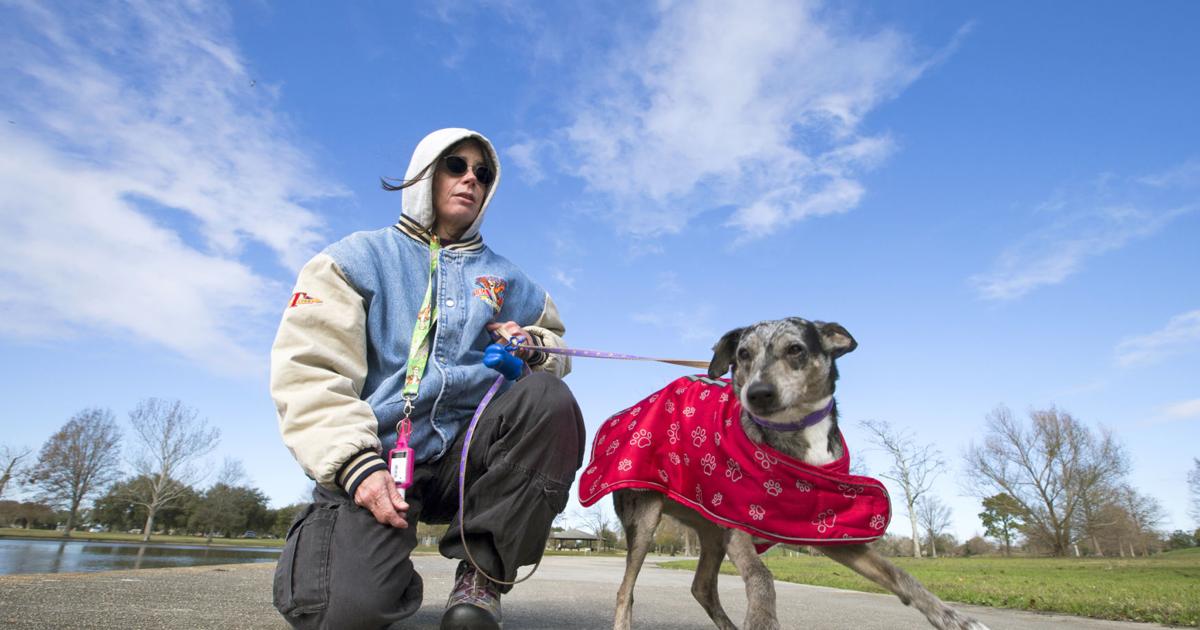
In south Louisiana, we know that winter weather can change in the blink of an eye. One day we’re enjoying temperatures in the 70s, and the next we’re reaching for coats as temperatures plunge into the 30s — or lower — overnight.
While our pets may wear fur coats year-round, cats and dogs feel the cold just like we do. Most animals in our region simply aren’t accustomed to prolonged freezing temperatures. A good rule of thumb remains the same: If it’s too cold outside for us, it’s too cold for our pets.
Here are some important reminders and tips to help keep our pets — and community cats — safe, warm, and healthy during extreme cold snaps.
INDOORS IS BEST: Dogs that normally spend time outdoors should be brought inside when temperatures approach freezing. This is especially important during arctic conditions, when wind chill can make temperatures feel even colder. If a pet absolutely cannot come indoors, make sure they have proper shelter.
Shelters should be sturdy, dry, raised off the ground, and protected from wind and rain. Dog houses should not be oversized, as smaller spaces retain body heat better. Line shelters with clean, dry bedding such as straw, towels or blankets, and change bedding frequently to keep it dry. Positioning the entrance away from the wind; using a flap can also help keep warmth inside.
FRESH WATER IS A MUST: Pets need access to fresh, clean water at all times, even in winter. Dehydration can still occur in cold weather. Check outdoor water bowls often to ensure they haven’t frozen. Frequent refills can help during extended freezes.
OUTDOOR CATS AND FERAL COLONIES: Community cats are particularly vulnerable during severe cold. Colony caretakers can help by providing insulated shelters made from storage bins or sturdy boxes placed on their sides. Line them with straw or blankets and elevate them slightly off the ground. If cats are near your home, cracking a garage door or allowing access to a safe, enclosed space can provide lifesaving warmth during arctic nights.
KNOCK ON THE CAR HOOD: Neighborhood cats often seek warmth under car hoods or inside wheel wells. Before starting your vehicle, make it a habit to knock on the hood or honk the horn to alert any cats hiding inside. This small step can prevent serious injury or worse.
PROTECT PAWS AND SKIN: Cold weather can be harsh on paws and skin. Wipe your pet’s feet after walks to remove residue. Limit bathing during cold weather, as frequent baths can strip natural oils and cause dry, flaky skin.
KEEP CHEMICALS OUT OF REACH: Antifreeze and rodent poison are commonly used in winter, and both are extremely toxic to pets. Antifreeze is especially dangerous because of its sweet taste. Always store chemicals securely and clean up spills immediately.
KNOW THE LAW: Louisiana statute RS 14:102.1 defines failure to provide proper shelter as simple cruelty to animals. Proper shelter means protection from the elements to prevent unnecessary suffering. Beyond the law, it’s simply the right thing to do.
Prolonged exposure to cold can lead to hypothermia, frostbite and even death. Having a cold-weather plan for all pets is essential. Check on elderly neighbors to ensure both they and their pets are staying warm.
Finally, if you see something, say something. If an animal is left outdoors during freezing weather without adequate shelter, contact your parish shelter or local authorities.
Let’s make sure no pet is left out in the cold.
Events
JAN. 31: A PetSmart adoption event takes place at 6851 Veterans Blvd., Metairie, from noon to 4 p.m. Meet puppies and dogs from Animal Rescue New Orleans. All approved adopters will receive a coupon book from PetSmart and a new bed from ARNO. For more info, email [email protected].
‘ The preceding article may include information circulated by third parties ’
‘ Some details of this article were extracted from the following source www.nola.com ’