Markus Klinko doesn’t just capture icons – he’s become one.
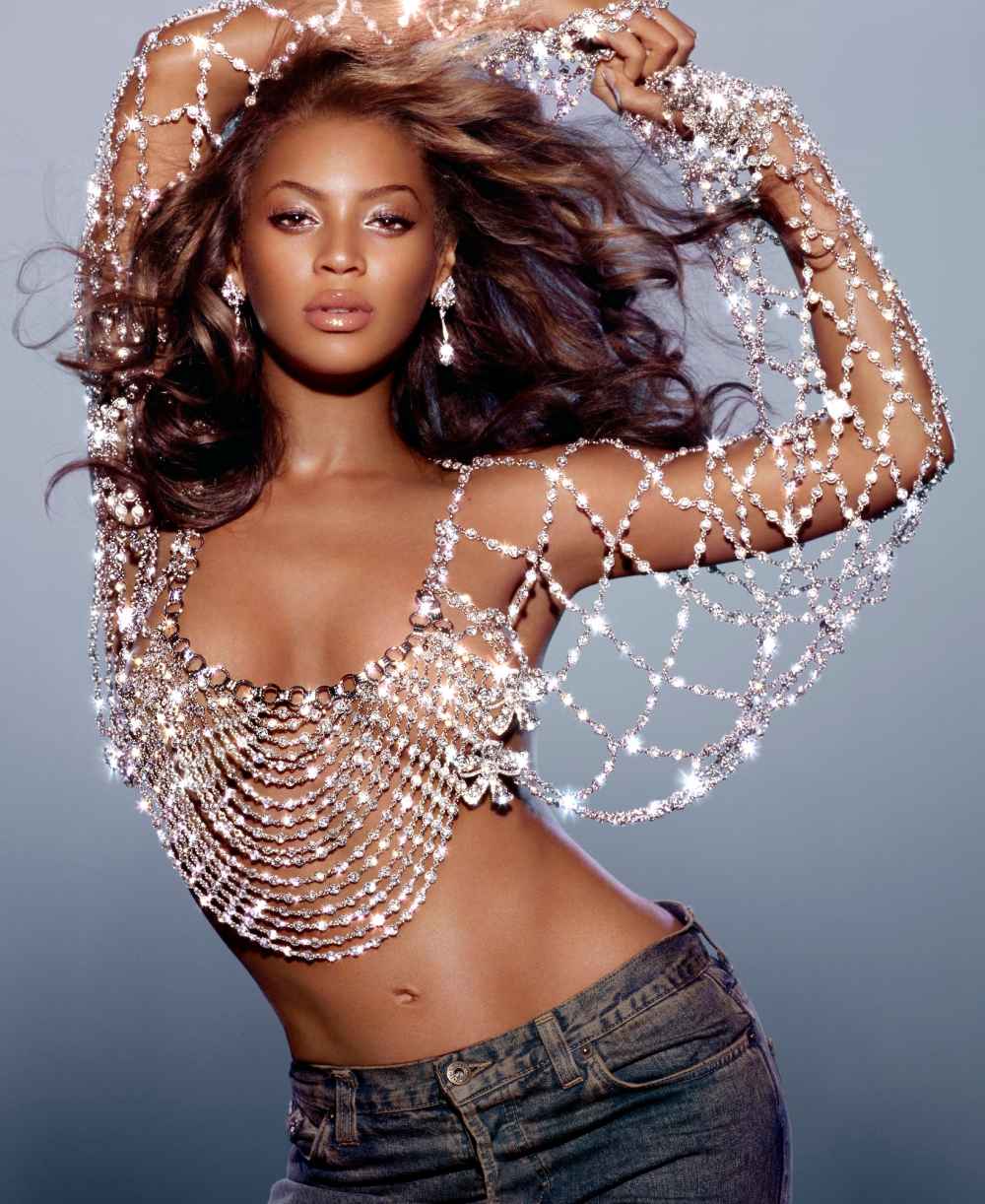
More than two decades after helping define one of Beyoncé‘s most iconic eras, the internationally acclaimed photographer is celebrating the legacy of his legendary 2003 Dangerously in Love portrait with a major installation in the heart of Paris.
Beginning this month, an eight-foot-tall limited-edition print of the iconic image will be displayed in the window of the famed Oana Ivan Gallery on Rue du Faubourg Saint-Honoré, one of Paris’ most prestigious luxury shopping streets, just one block from the Élysée Palace. The highly visible installation marks a significant milestone in Klinko’s career as his work continues to gain international momentum through museum recognition, major exhibitions, high-profile editorial projects such as his recent Nylon France cover featuring “It” British girl group FLO, and a slate of exciting new creative collaborations.
The man behind the lens, who describes himself as an artist who uses photography as his paintbrush, has snapped the world’s most famous faces – from Queen Bey herself and David Bowie to Britney Spears and Speidi – and documented pop culture in the moment. As his new exhibition in Paris gets underway through September 15, he opens up to Us exclusively to reflect on what it means to go from behind the camera to being a part of the legacy.
The Beyoncé Effect
Beyoncé for her debut album Dangerously in Love (2003). Markus Klinko
More than 20 years later your Dangerously in Love portrait of Beyoncé remains one of the most recognizable celebrity photographs. Why do you think this image has stood the test of time?
I often joke that Beyoncé is probably the most photographed woman on earth, and somehow I ended up creating one of the images people associate with her more than any other. That’s something I’ll never take for granted. I think certain photographs eventually outgrow their original purpose. What began as an album cover has become part of our collective visual memory, and that’s always the greatest compliment a photographer can receive.
When you photographed Beyoncé for the portrait, did you have any sense that the image would become such a big part of pop culture?
I knew this was special because everything came together that day, but no one can predict that a photograph will still resonate with people 20 years later. That’s the magic of photography. Sometimes a single frame takes on a life of its own.
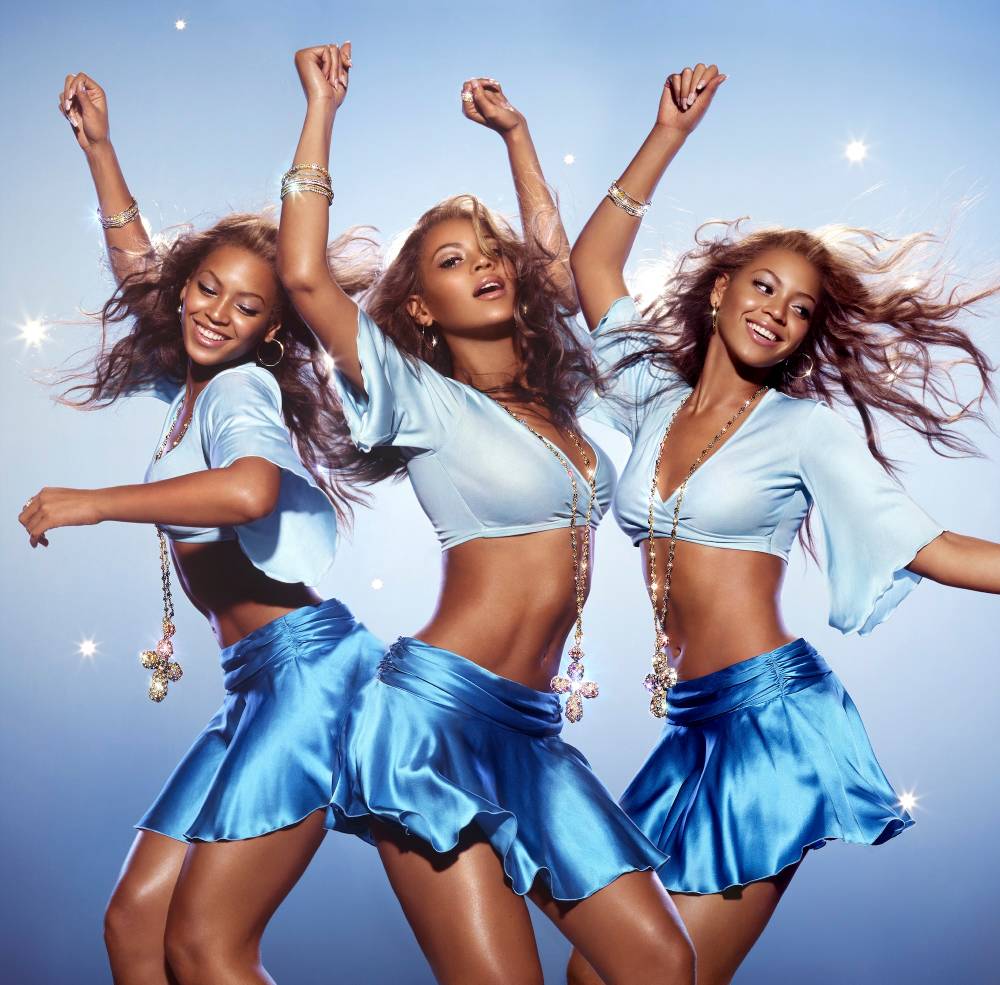
Beyoncé’s promotional shoot of her debut album, Dangerously in Love (2003). Markus Klinko
What do you remember most about working with Beyoncé during the shoot?
Beyoncé is one of the best collaborators anyone could wish for. She intuitively understands what works, and we communicated almost telepathically, as we moved quickly through different ideas and setups. It was a rare moment of complete synchronization between a subject and my camera. One of my favorite memories is convincing her to wear my own jeans after we moved away from the original wardrobe direction. It was a spontaneous creative decision that completely transformed the image.
How did the wardrobe change happen?

Laetitia Casta for Diamond.com (2000). Markus Klinko
Sony hired me in 2003 to photograph Beyoncé’s debut solo album after she specifically requested to work with me. Before the shoot, we had a conference call with Beyoncé and her team, and she mentioned a diamond campaign I had photographed for Diamond.com featuring French supermodel Leticia Casta in a spiderweb of diamonds. She brought it up herself and said she loved that look, but wanted something similar created specifically for her.
When everyone arrived at the studio, [her mother] Tina Knowles was styling the shoot. As I looked through the wardrobe, I found a diamond top that immediately reminded me of our conversation. I took it into the makeup room and said, “This is exactly what we talked about.” Beyoncé loved the top, but she wasn’t excited about pairing it with the elegant skirts and gowns that had been brought for the shoot. I agreed and suggested that it would look much stronger with denim.
She said, “That would be great, but we didn’t bring any denim.” I looked down and said, “Actually… these D&G jeans I’m wearing would be perfect. Do you want to wear mine?” She immediately laughed and said, “Yes!”
Fortunately, I had another pair of jeans at the studio, so I changed, and gave Beyoncé my jeans. It was one of those completely spontaneous creative decisions that couldn’t have been planned.
What made Beyoncé different from other artists you’ve photographed at that stage in her career?
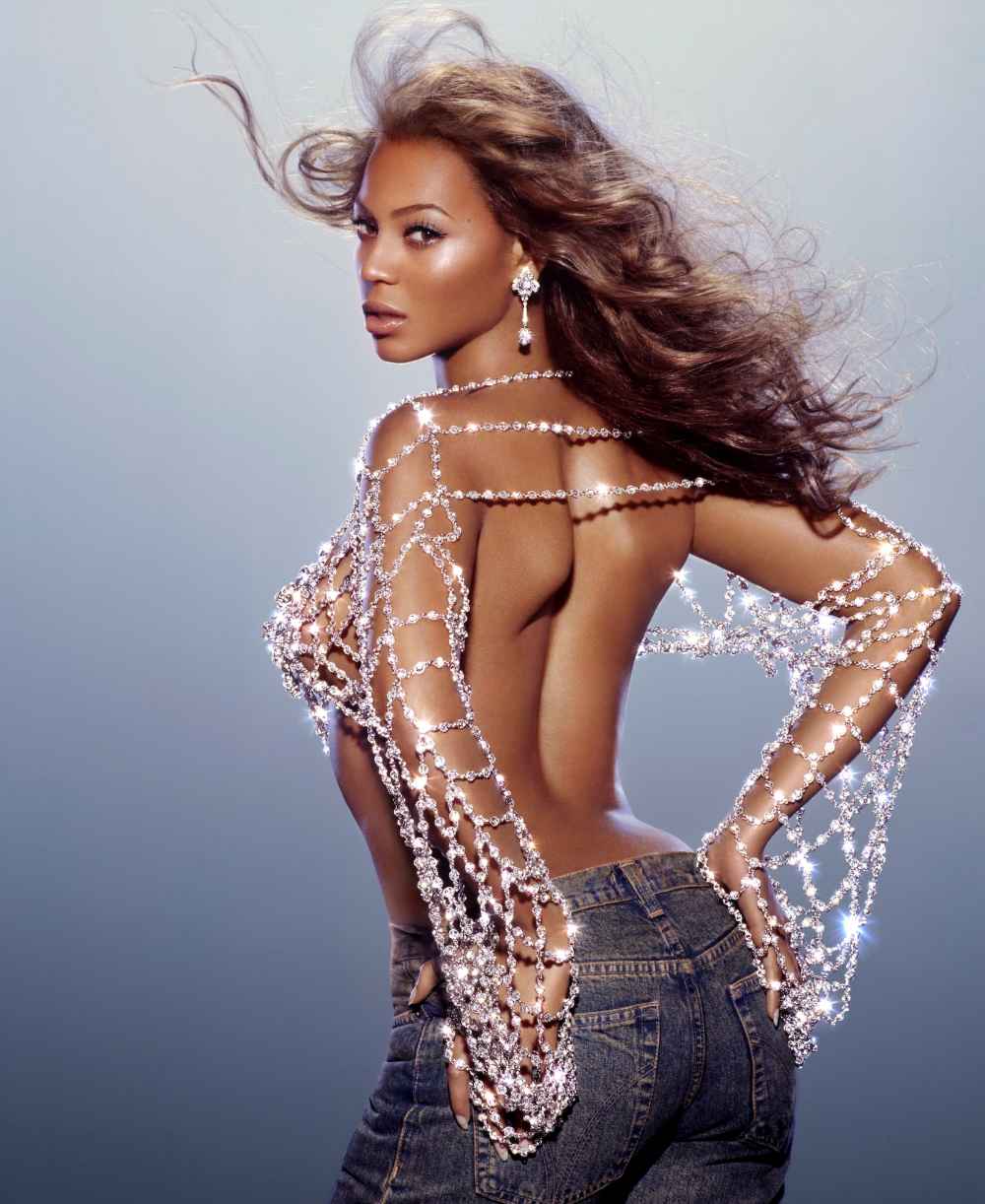
Beyoncé for ‘Dangerously in Love’ album (2003) Markus Klinko
She had extraordinary instinct. She trusted my ideas and wasn’t afraid to embrace unexpected creative choices. This was the very beginning of her solo career, and she was not yet the global superstar that she is today. So, with this album cover, I had the chance to show the world who she was about to become.
When you see this portrait today, what does it represent to you personally?
It reminds me that photography has an incredibly long life. You create an image in a single day, but sometimes it continues speaking to people for decades. Today that photograph has evolved from an album cover into an artwork, and it’s wonderful to watch it continue its journey.
The Paris Installation
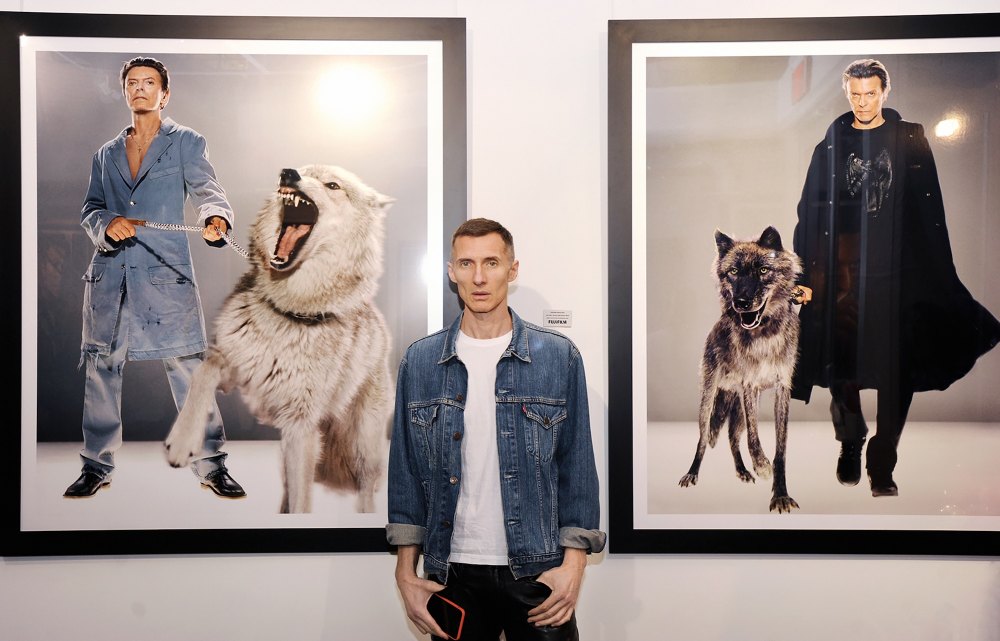
Klinko’s installation also features images of David Bowie for British GQ’s “Man of the Year” cover story (2002). Markus Klinko
What does it mean to have an eight-foot-tall limited-edition print displayed in the window of Oana Ivan Gallery?
It’s incredibly exciting because it represents another chapter in the life of the photograph. Seeing an image originally created for an album cover presented as a monumental artwork in the heart of Paris now feels like a very natural evolution.
Why was Paris the right place for this installation?
Paris remains one of the world’s great capitals of art, fashion, and culture. It’s a city where all of those worlds naturally intersect, so it feels like the perfect place for an image that has lived in both popular culture and now the art world.
What do you hope people experience when they unexpectedly encounter this image?
I anticipate it will make them stop. Great images interrupt everyday life for a moment. If someone walking down the street suddenly becomes curious or smiles, then the photograph has done exactly what it should.
Creating Cultural Icons
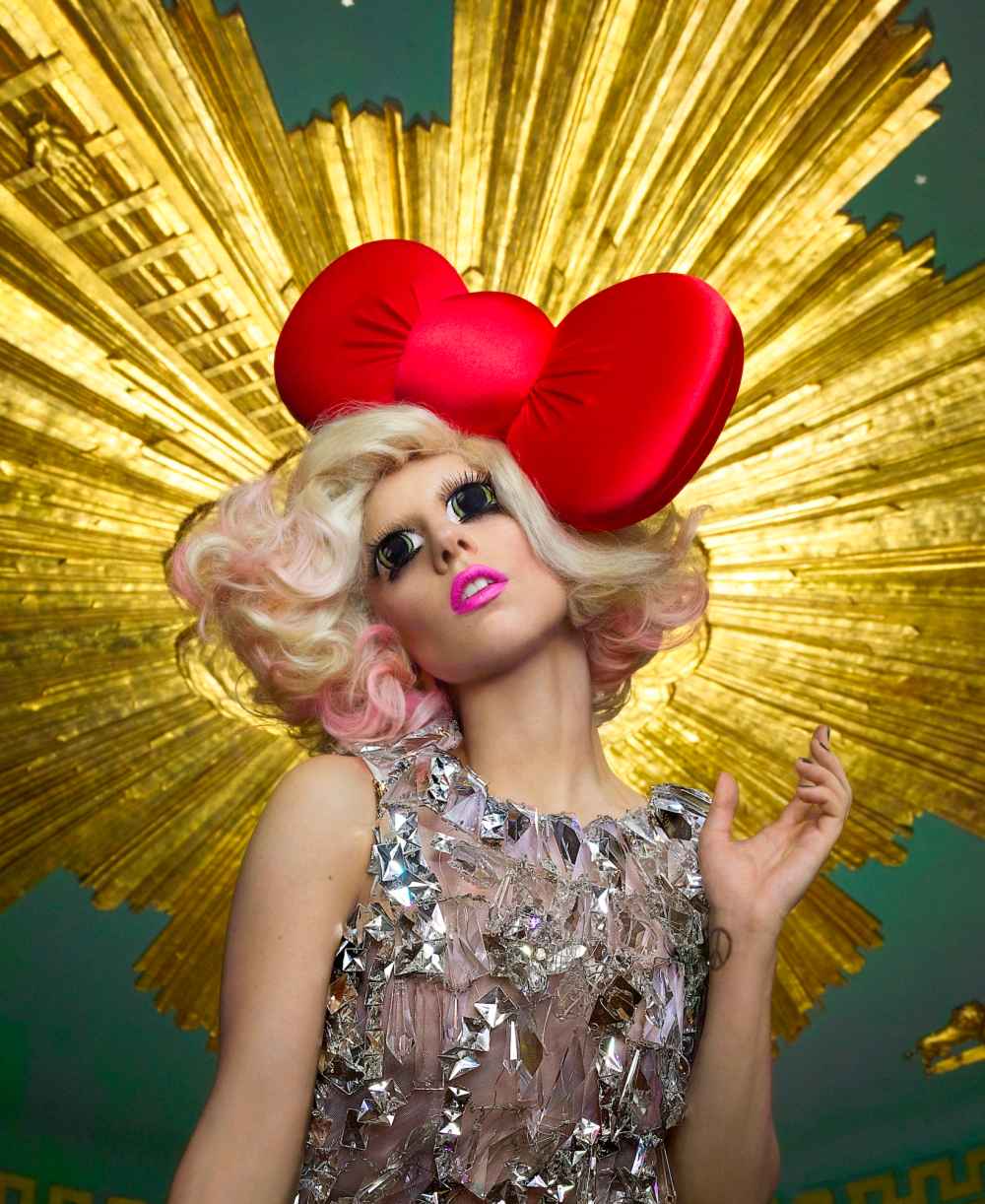
Lady Gaga for The 35th anniversary of Hello Kitty (2009). Markus Klinko
Throughout your career you’ve photographed many of the world’s biggest stars. What transforms a celebrity portrait into an iconic cultural image?
Celebrity alone isn’t enough. An iconic photograph distills someone into a symbol people instantly recognize. Eventually the image becomes bigger than the original assignment. That’s always the goal.
Your work often blends glamour, mythology, and fine art. What draws you to creating portraits that feel larger than life?
I’ve always been fascinated by the idea that photography can elevate reality while still feeling human. I’m not interested in just documenting a moment. I’m interested in creating an image that people will remember decades later.
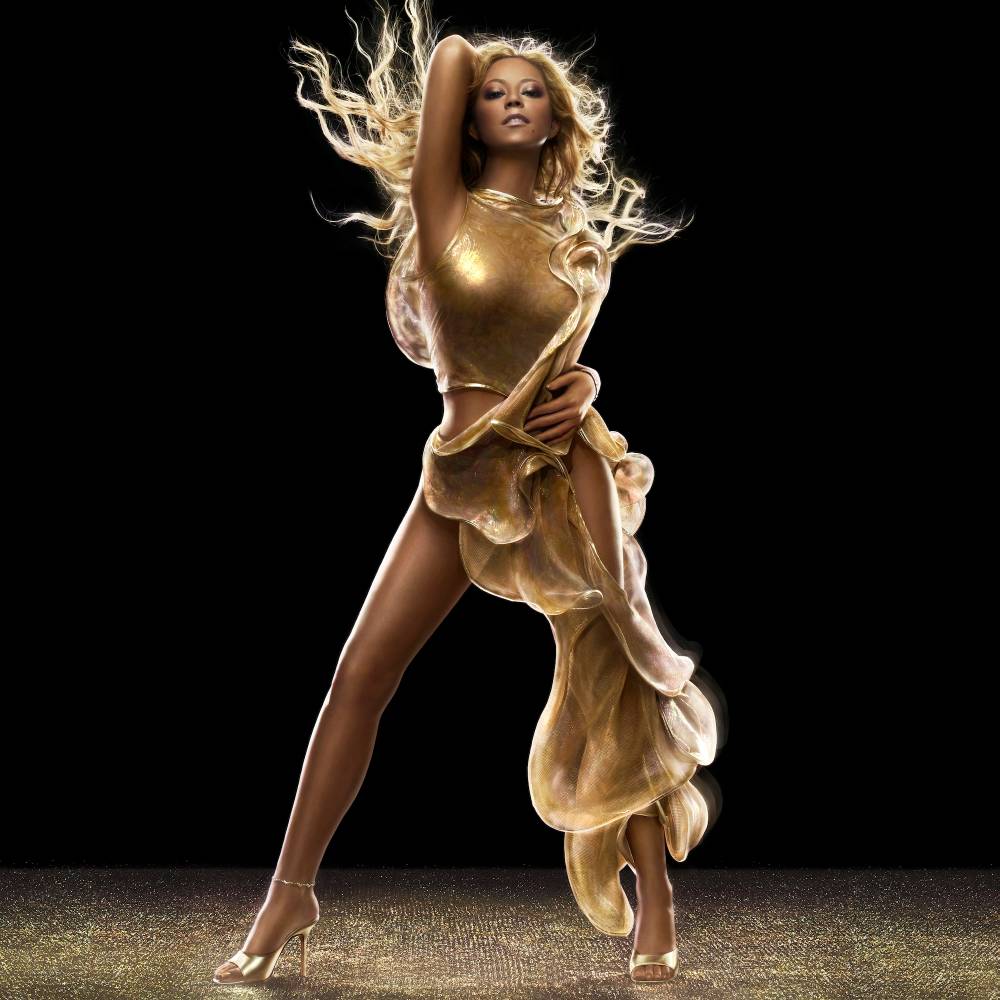
Mariah Carey for The Emancipation of Mimi (2005). Markus Klinko
Looking back across your body of work, what is the common thread?
Whether it’s David Bowie, Beyoncé, Mariah Carey, FLO or someone I’ve never photographed before, I’m always searching for the image people will remember. My goal has never been simply to take a portrait. It’s to create something that becomes part of our visual culture.
Celebrity Comebacks & Cultural Moments
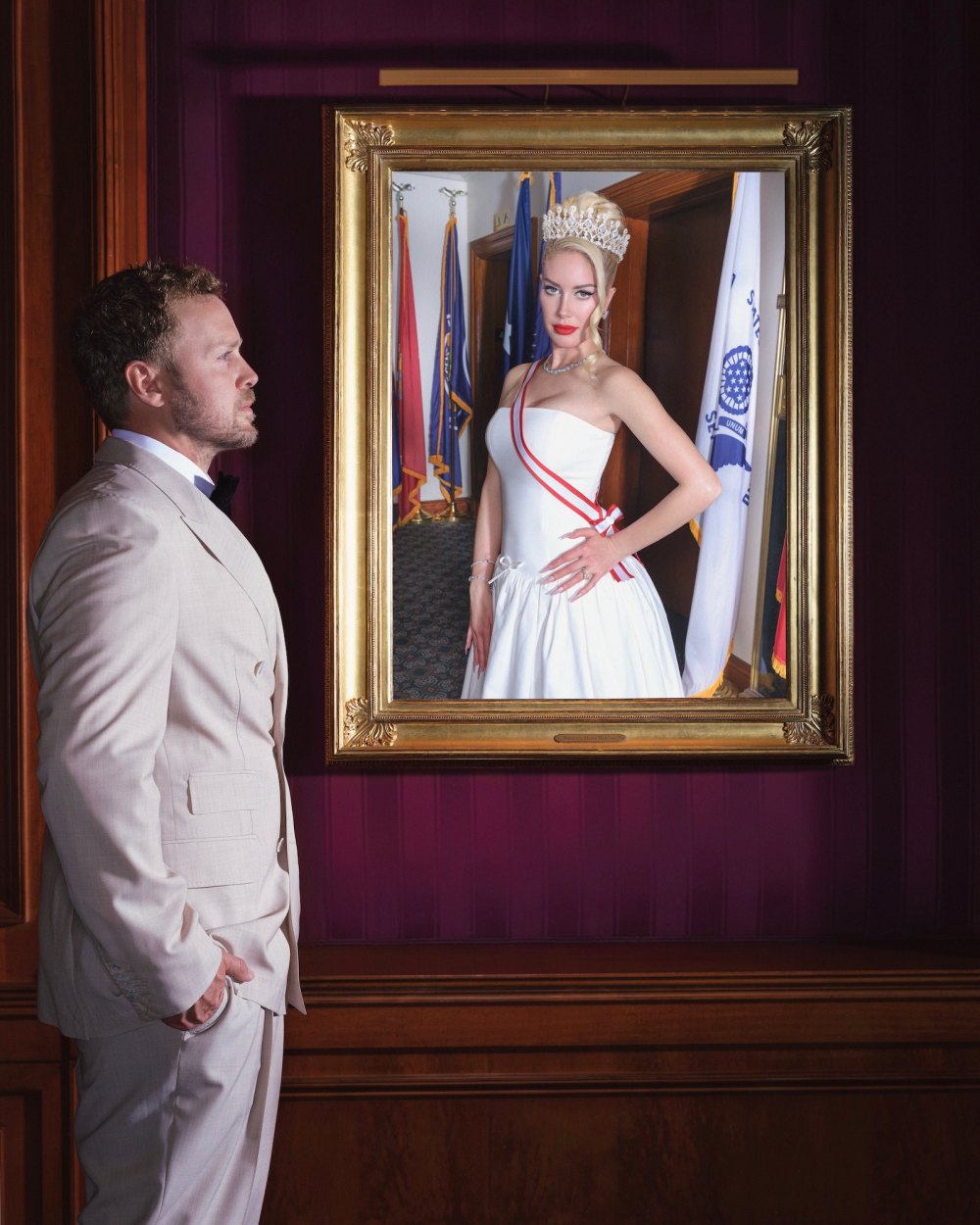
Spencer Pratt and Heidi Montag for Wonderland Magazine (2025). Markus Klinko
Last year, your portraits of Spencer Pratt and Heidi Montag generated significant attention. What resonated?
I think people connected with the energy of the photographs. Every portrait captures a particular cultural moment, and it’s always fascinating to see which images people reconnect with years later.
Did you have any sense Spencer and Heidi would experience such a resurgence?
No. That’s one of the wonderful things about popular culture. You never know which stories or images people are going to rediscover years later.
Do you think portrait photography can influence how people reconnect with a celebrity?
Absolutely. A great portrait doesn’t change who someone is, but it can shape how people remember them. Images have always played an important role in creating cultural memory.
A New Chapter

Britney Spears for promotional portrait created for her Onyx Hotel Tour (2004). Markus Klinko
Does this feel like the beginning of a new chapter in your career?
It feels like a period of tremendous momentum. Historic works are finding new audiences while I’m creating new work at the same time. My exhibitions are expanding, exciting collaborations are coming together, and a new documentary series exploring the stories behind some of my most iconic images is now in full production with an award-winning director, [producer] One9 and Ever Wonder Studios.
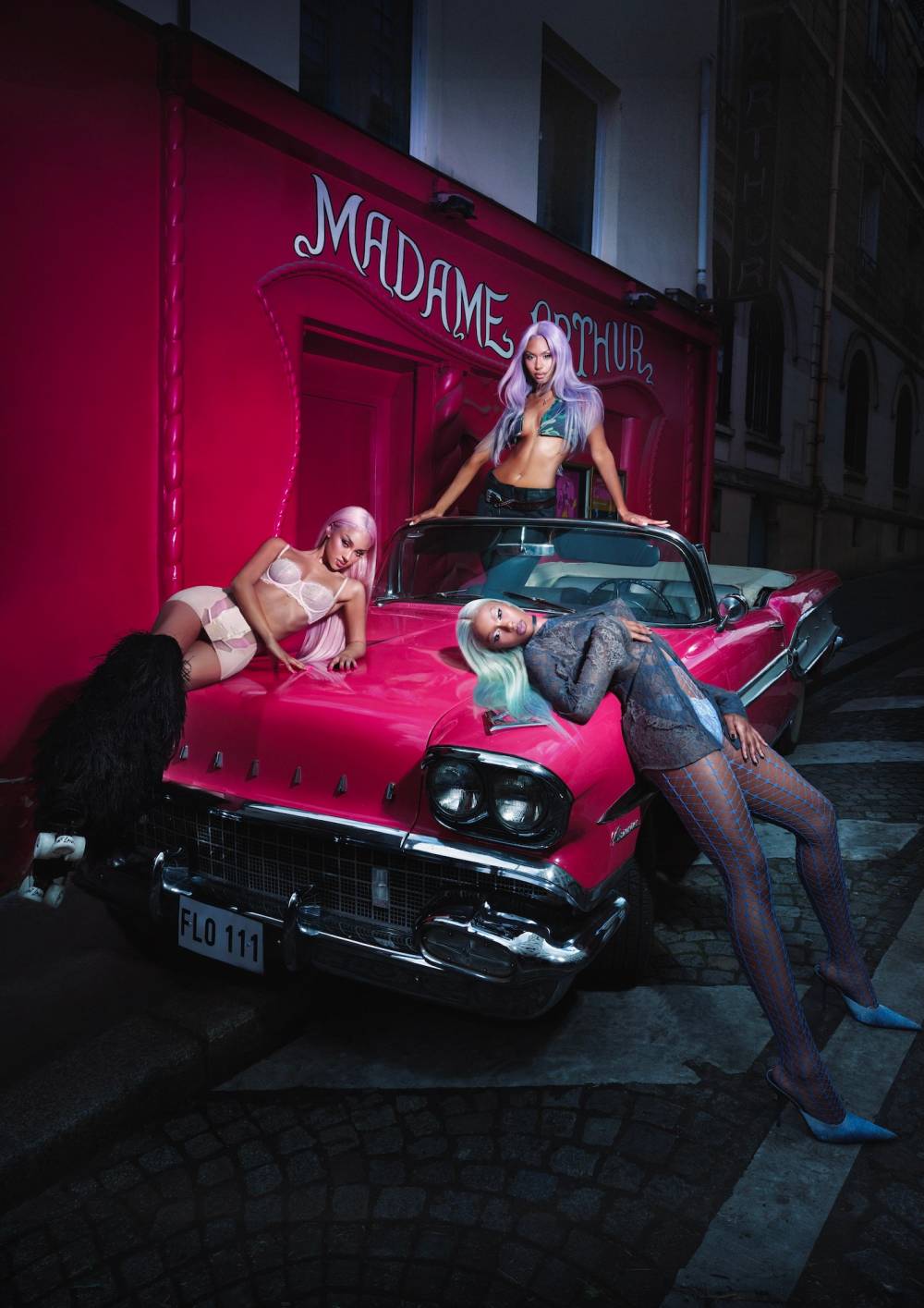
British R&B girl group FLO for Nylon Magazine France (2026). Marcus Klinko
FLO has quickly become one of the UK’s hottest musical exports. What excited you creatively about photographing them for Nylon France?
They have incredible chemistry, confidence and energy. It was exciting to create images that celebrate a new generation while staying true to my own visual language of glamour, elegance and timelessness.
Looking back at your career, from David Bowie and Beyoncé to today’s emerging global stars, what continues to inspire you creatively?


Curiosity. Every project starts with a blank page, and that’s still the most exciting moment for me. Every collaboration is a chance to create something that didn’t exist before.
What projects are you most excited for audiences to see next?
There’s a lot happening right now. What I find most rewarding is seeing these photographs continue to evolve – from album and magazine covers to the walls of galleries and museums around the world. That’s incredibly fulfilling, and I feel like the next chapter is only just beginning.
‘ The preceding article may include information circulated by third parties ’
‘ Some details of this article were extracted from the following source www.usmagazine.com ’