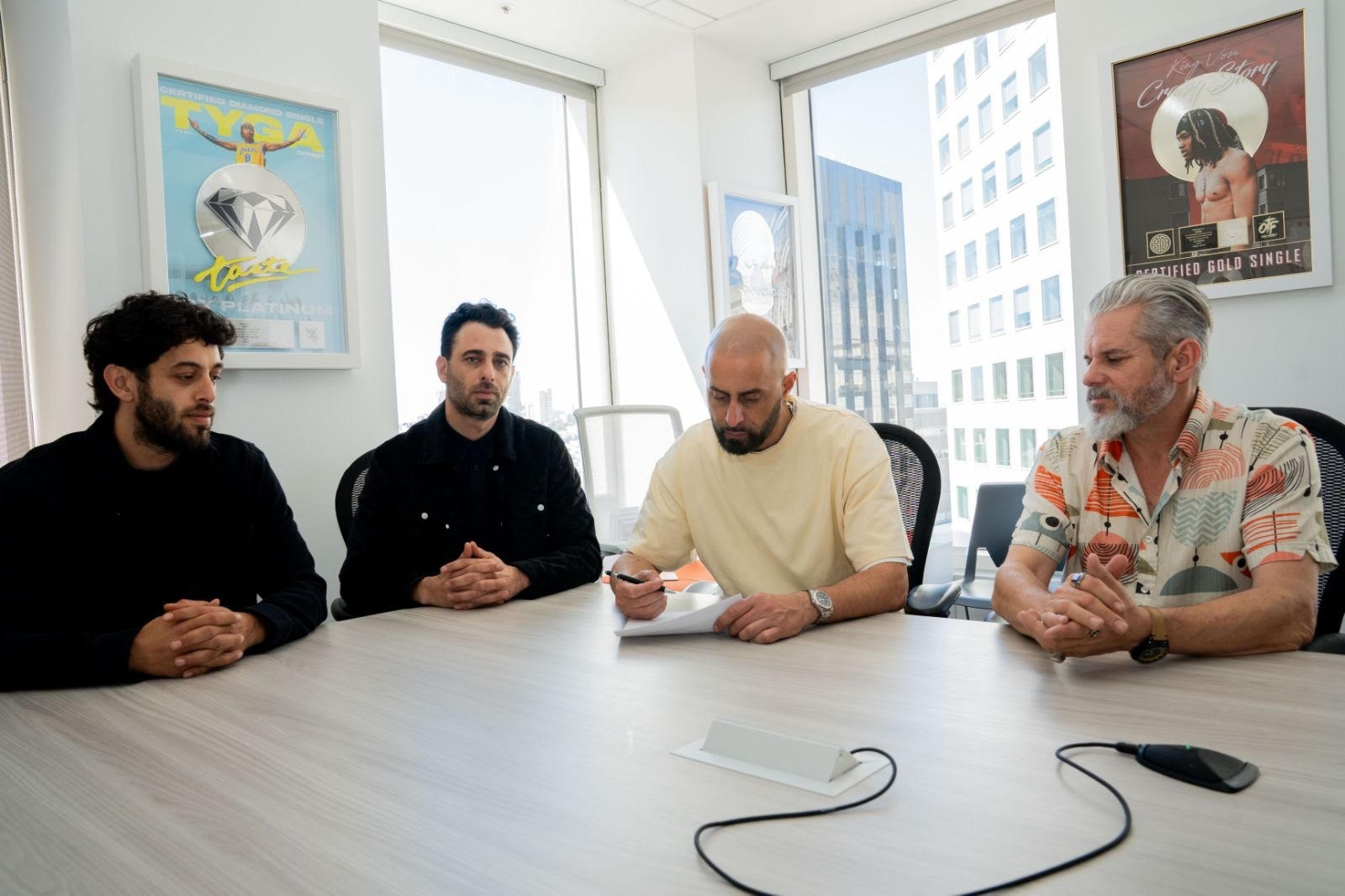
Music tech startup Nebula has partnered with distribution company Supply Chain Music to create a new “earn-before-you-stream” service. Their goal, they say, is to shift artist compensation on streaming platforms from a post-release payout, to a payout that happens before the creative process even starts.
How does it work? Fans can directly support the projects of their favourite artists through the platform’s artist marketplace. Artists offer fans a stake in future royalty payouts, which further incentivises them to take an active role in sharing their music.
“When superfans own a share of a song, they are more motivated to help promote the artist and expand their distribution reach,” said Yamen Hawit, Nebula co-founder and CPO. “This creates a much better financial model for everyone in the music industry including the fan.”
Payouts originate from Nebula tokens, which can be purchased by fans and then generate automatic royalty payouts based on how a song streams. Artists can cash out funds from their ‘wallet’ every 60-90 days.
Any user can submit music for approval. Artists also retain 100% IP ownership of any music on the platform, and can still release music through other channels (the culmination of streams from all platforms count towards Nebula’s royalty payouts, in fact).
Recently voted one of the 200 most promising early-stage startups in the world by TechCrunch, Nebula is one of a few cooperative models that have been cropping up in recent years to try to solve frustrations many artists feel around streaming payouts.
There’s also Bandcamp Clubs — a subscription model where fans pay monthly for a curated music experience by DJs and journalists; Subvert — 100% owned by artists and those working in the arts; Vault — James Blake’s platform which allows fans to unlock an artist’s ‘vault’ of music; and Even —allowing artists to sell their music directly to fans before hitting streaming platforms.
‘ The preceding article may include information circulated by third parties ’
‘ Some details of this article were extracted from the following source musically.com ’