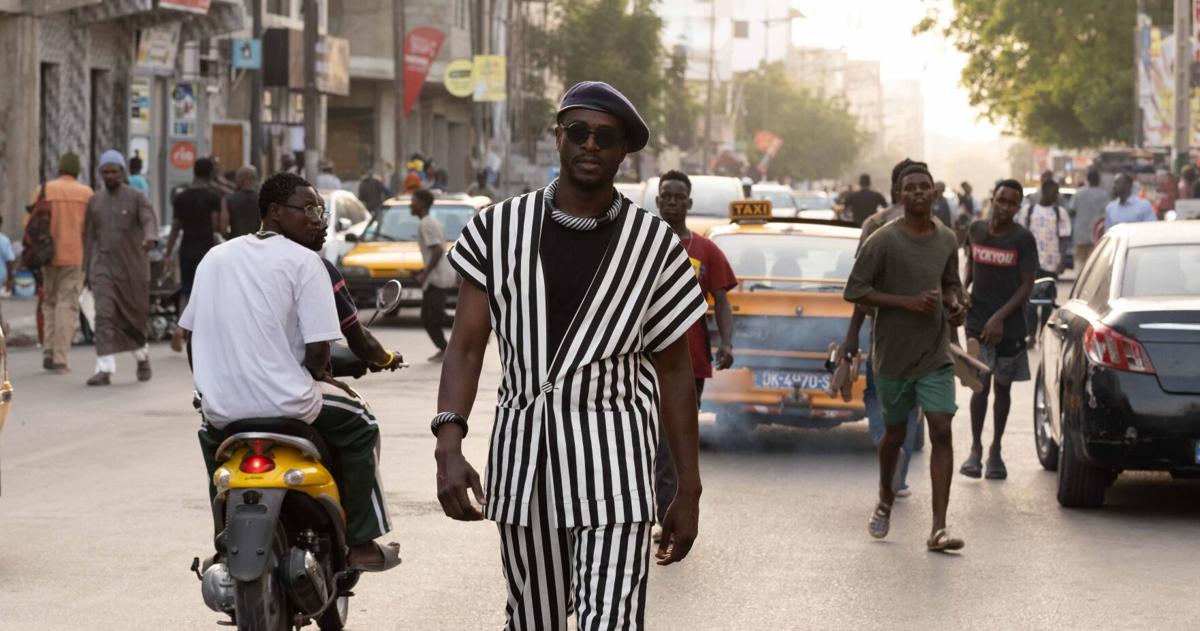
Senegalese bassist Alune Wade returns to New Orleans to screen his film and perform at the Broadside.
Senegalese bassist Alune Wade recorded his 2025 album “New African Orleans” with a host of New Orleans and African musicians, including his own band members from Nigeria and Benin. The album explores links between jazz and Africa, but unlike many projects tracing musical roots, he was looking at where the diaspora took African influences.
“Often it’s musicians from the diaspora coming to Africa looking for their roots,” he told Gambit. “Now maybe it’s time for the roots to go looking for the branches.”
The album was released a year ago, and in November, Wade led an album celebration concert at the Marigny Opera House.
Now he’s returning for a screening of a companion documentary, “Tukki: From the Roots to the Bayou” on Thursday, April 2, at 7:30 p.m. at The Broad Theater. It’s part of a series of events in the New African Orleans fest, presented by the Neighborhood Story Project and other partners. There are local documentaries and a free drum workshop, and Wade and a mix of local and traveling musicians will perform at a festival at the Broadside on Saturday, April 4.
“Tukki” means journey in the Senegambian Wolof language. The film begins with a focus on West Africa and scenes from a couple of the most notorious points of departure in the transatlantic slave trade. Both musicians and scholars talk about the music and culture the enslaved took with them.
Soon the focus changes to the rhythms of New Orleans music, and the parading traditions of social aid and pleasure clubs and more. It also touches on food and religious connections. Big Chief Victor Harris of the Mandingo Warriors talks about his suits and their West African style and materials. Later in the film, Harris goes to Senegal and parades with Senegalese bands.
The film also explores how jazz went to Africa, including in the post-World War II era when soldiers returned home after fighting for the French. Bands sprung up across Senegal with the word “jazz” in their name, says professor Ibrahima Wane of Chiekh Anta Diop University in Dakar, Senegal. He says it was easy for West Africans to embrace because so much of it was familiar.
“It’s a modernity that takes us back to our roots,” he says.
The film examines how African rhythms related to jazz and music in the Caribbean and Brazil and how those sounds were embraced. Nigerian Afrobeat innovator Fela Kuti’s son Femi Kuti talks about the embrace of American music, including funk and soul.
The Neighborhood Story Project screens a slate of short films at 6 p.m. Thursday at the Broad. The films explore New Orleans music through the eyes of musicians. Dirty Dozen saxophonist Roger Lewis and members of the Rebirth Brass Band look back at the weekly brass band throwdowns at the Glass House, and there’s vintage footage from the early 1980s. Drummers Herlin Riley and Joe Lastie talk about the influence of spiritual churches, and other films delve into social aid and pleasure clubs.
The New African Orleans Family Festival is at 4:30-10:30 p.m. Saturday at the Broadside. Wade will perform with New Orleans’ Kirk Joseph, Weedie Braimah and Alfred Jordan, and visiting musicians Babacar Seck, Aly Guisse and Raja Kassis. The entertainment lineup also includes Corey Henry and the Treme Funktet, Leyla McCalla, Afrissippi, DJ Jubilee and members of social aid and pleasure clubs and Culu Traditional African Dance Company.
The event also includes a fashion show featuring designer Rama Diaw from Saint-Louis, Senegal.
Find tickets via thebroadtheater.com or broadsidenola.com.
‘ The preceding article may include information circulated by third parties ’
‘ Some details of this article were extracted from the following source www.nola.com ’