Elvis makes a comeback, Wayne Coyne does it for the kids, Nick Thorburn gets graphic, Buzz Busby gets his due and two more titles play at 33⅓. Here are your musical reads of the week:
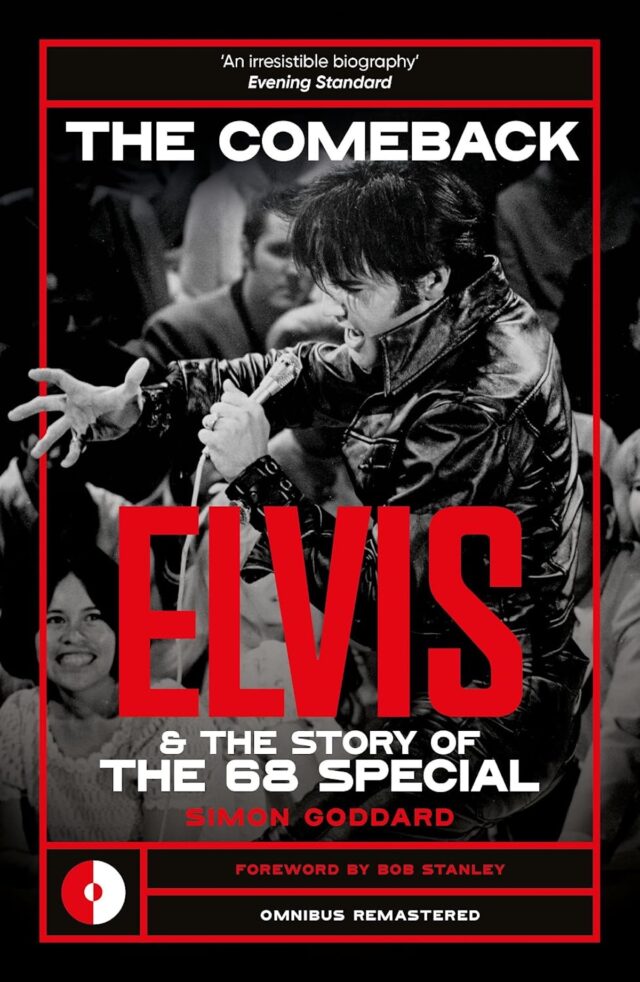
 The Comeback: Elvis & The Story Of The 68 Special
By Simon Goddard
THE EDITED PRESS RELEASE: “As 1968 dawns, the one-time King of rock ’n’ roll faces cultural oblivion. While elsewhere the ’60s are swinging, for Elvis Presley they’re sinking — in terrible films, drug addiction, paranoia, religious mania and the mercenary wiles of his psychopathic manager. In the words of the hip young director assigned to his first TV special, Elvis’s reputation was “in the toilet.” However the same director, Steve Binder, was now about to save it. Together they would embark on the biggest creative fight of Elvis’s life. The Comeback plots the incredible true story of Elvis’s fall and rise from Army discharge to iconic black-leather resurrection. Simon Goddard takes the reader inside the life, music and mind of Elvis, isolated from an America unravelling in its own chaos of war, racism, riots and assassinations, until his world and theirs collide in the greatest performance of his life. A genre-busting modernist rock ’n’ roll fable unlike any music biography you’ve ever read, The Comeback is the definitive account of how it took Elvis eight years on the big screen to lose his crown — but just one magical hour on a small one to win it back.”

Buzz Busby: Father Of Washington, DC, Bluegrass
By Kip Lornell & Tom Mindte
THE EDITED PRESS RELEASE: “Buzz Busby’s move to Washington, D.C., in 1951 helped launch bluegrass in the nation’s capital while the intensity of his mandolin playing drew raves for its unrelenting pace and innovative style. His high lonesome singing rivaled that of Bill Monroe. Kip Lornell and Tom Mindte draw on interviews and some 50 hours of Busby speaking about his life to tell the story of a largely forgotten bluegrass virtuoso. Busby and his band The Bayou Boys stood front and center on a mid-1950s D.C.-area TV show that, though short-lived, catalyzed the formation of the city’s bluegrass community. Time with the Louisiana Hayride and classic if little-heard bluegrass sides like Lonesome Wind seemed to promise a bright future. But a devastating car wreck and a host of legal and personal troubles triggered a long decline into drug and alcohol abuse that undermined Busby’s career and led him to sum up, “I started at the top and diligently worked my way to the bottom.” Entertaining and vivid, Buzz Busby tells the story of a musician’s musician and his hardscrabble life in bluegrass.”

33⅓ | The Three Out’s Move
By James Gaunt
THE EDITED PRESS RELEASE: “The Three Out were Australia’s most popular modern jazz band in the ’60s. Their debut album Move was recorded just six weeks after the trio formed at Sydney’s famous El Rocco jazz club and sold over 3,000 copies upon its release in 1961. Detailing the careers of each member — Australian drummer Chris Karan, Dutch bassist Freddy Logan and New Zealand pianist Mike Nock — this book looks at how they came together to push Australian jazz to new heights, and why they split up after two successful albums. Forming in 1960, The Three Out toured Australia, New Zealand, and Europe before going on to greater things. As each member forged new careers, performing with artists such as Dudley Moore, Tubby Hayes and Yusef Lateef, The Three Out‘s debut album — and indeed the trio itself — became a footnote in the careers of its members. They were mostly known to collectors only until a German record label reissued their albums in 2015 and brought them back into the spotlight. Featuring new interviews with Nock, Karan, and those who played with them, this book cements the importance of The Three Out‘s Move within Australia jazz history, and documents the album’s remastering and rediscovery by contemporary listeners.”

33⅓ | The La De Da’s The Happy Prince
by John Tebbutt
THE EDITED PRESS RELEASE: “This is the untold history of Oceania’s 1960s lost psychedelic album The Happy Prince. Recorded in Sydney by the Aotearoa / New Zealand band, this was the first LP in Australia that told a single story, creating an audio world. The La De Das were — and are — one of New Zealand’s most loved bands. By 1967 they had numerous hit singles and two albums of diverse music. What drove them to experiment with an art-pop form? This book answers that question by digging into archives, dusting off historical memories of those who were there. Released in 1969, this album is a collection of original songs based on an Oscar Wilde story, published in 1888. The tracks include narration by Australia’s pop poet Adrian Rawlins. It was a technical and artistic statement, the likes of which Australian music had not previously heard. At EMI’s studios in Sydney, the production experimented with eight-track recording, using electronically synchronized four-track machines. EMI provided an in-house producer but the album was independently funded. At the time, it was hailed in one music magazine as “the best thing ever recorded in Australia.” Yet the album disappeared, rarely promoted and never charting. That lineup of the band did not record another album. This book finally tells their story.”

Pear Shape
By Nick Thorburn
THE EDITED PRESS RELEASE: “From the pen of multi-talented indie musician (Islands, Unicorns) and cartoonist (Penguins) Nick Thorburn comes this perfect object of the comic book form. A 64-page color one-shot menagerie of interconnected comic strips that smartly channels the tradition of underground comix. Find out why those smarty pants at The Believer magazine say, “Thorburn makes sharp social commentary through a series of dark humor vignettes that revolve around macabre body horror, dalliances into the absurd, and the sociopolitical intricacies of human existence.”

I Am An Eye I Don’t Know Why
By Wayne Coyne
THE EDITED PRESS RELEASE: “I Am An Eye I Don’t Know Why is Flaming Lips founder and frontperson Wayne Coyne’s first children’s book. All 68 pages are original art and story by Coyne. I Am An Eye is an unusual and endearing look at a young person finding their identity. Eyes, ears, nose, and mouth are literally separated and must find each other to help their face win a bike race. The two ears, two eyes, nose and mouth realize they are better off together, especially now they have become friends who can help each other see, hear, and steer. In the tradition of Dr. Seuss and the wonderful, wubbulous psychedelic music of Flaming Lips, I Am An Eye I Don’t Know Why is an original and very funny look at the togetherness of self.”
‘ The preceding article may include information circulated by third parties ’
‘ Some details of this article were extracted from the following source tinnitist.com ’







![Happy Ending | My Royal Nemesis Episode14 FULL Ending Explained [ENG SUB]](https://celebrity.land/en/wp-content/uploads/2026/06/1782088958_maxresdefault-120x86.jpg)