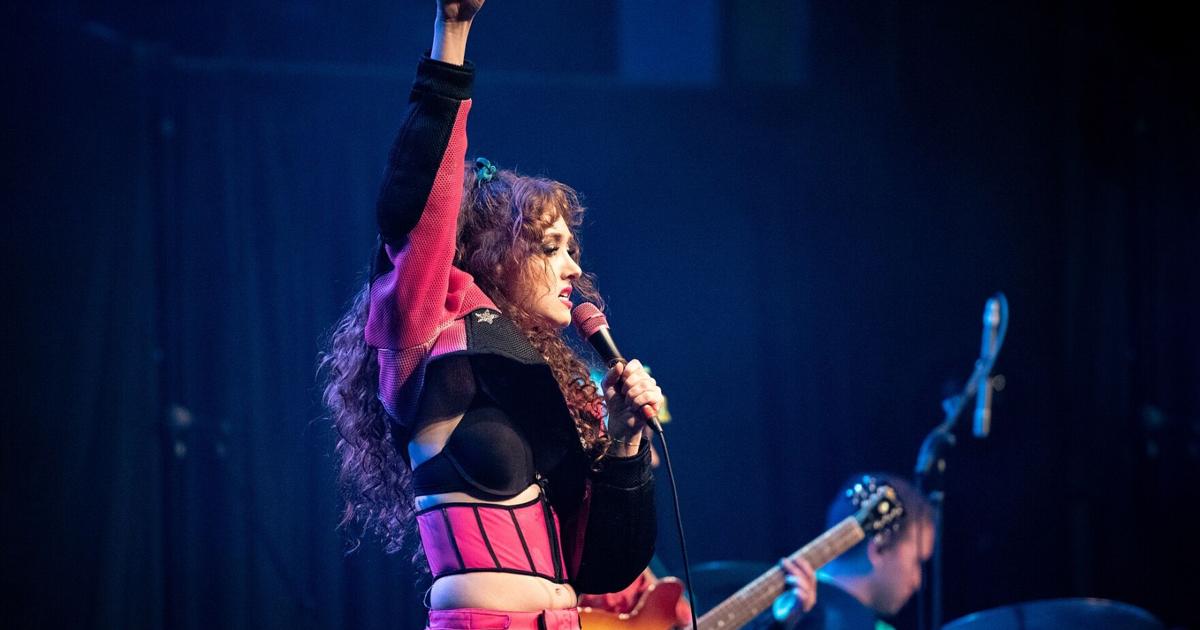
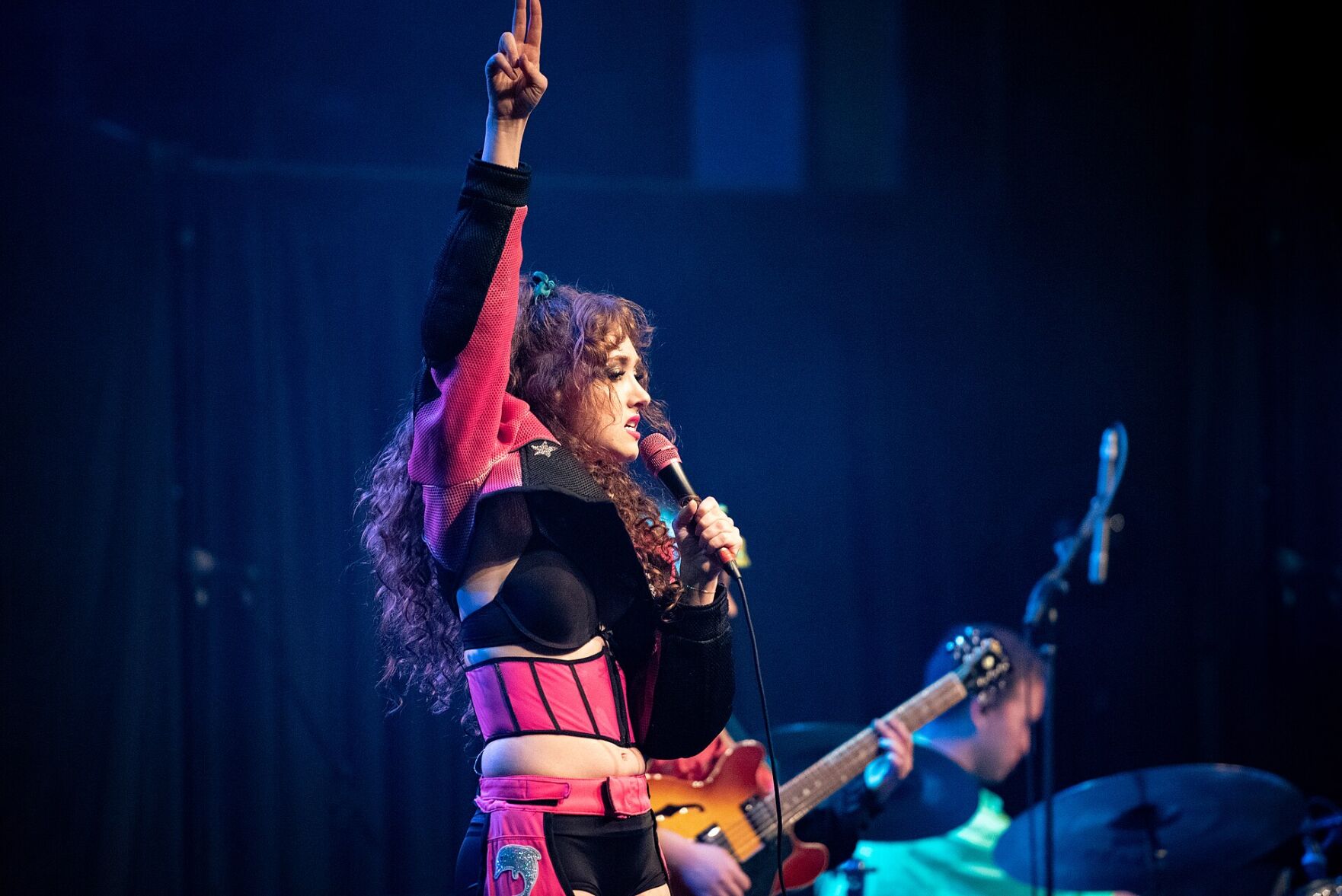
Chappell Roan performing at The Vogue Theatre on Nov. 10, 2022.
The “price of fame” has long been a convenient excuse for the public to demand total access to the lives of those they admire. We buy their albums, we stream their movies and in return, we feel entitled to their time, their political endorsements and even their physical space.
But as recent headlines surrounding Chappell Roan demonstrate, this entitlement has reached a point that ignores a basic reality: celebrities are human beings, and they don’t owe the public anything beyond the art they create.
Roan has been at the center of controversy for simply setting boundaries. From refusing to endorse a presidential candidate to filming paparazzi who hounded her, she has been vocal about wanting to keep her pop star persona separate from her private life. Critics labeled her “ungrateful,” suggesting that if she didn’t want the attention, she shouldn’t have become a star.
The controversy reached a breaking point recently in São Paulo. Reports surfaced that a security guard had aggressively scolded an 11-year-old fan and her mother at a hotel. Without waiting for the facts, the narrative was set: Roan hates children, and she’s mean to her fans.
It later emerged that the guard in question wasn’t even part of Roan’s personal security and that she wasn’t even aware the interaction had occurred.
The speed with which the public turned on her reveals a darker side of fan culture. We treat celebrities like property we’ve purchased when we join a fandom. When they don’t act “grateful” in exactly the way we expect, we feel personally slighted.
This entitlement is often gendered. When male rock stars act elusive or standoffish, it’s framed as cool. When a woman like Roan says, “Women do not owe you a reason why they don’t want to be touched or talked to,” she is branded as difficult.
Choosing a career in the public eye is not a waiver of one’s right to safety, privacy or personal autonomy.
Fans often argue that “without us, they’d be nothing.” While it’s true that a fanbase helps build a career, that support is a transaction for the work. You pay for the concert ticket—you do not pay for the right to follow them to their hotel or demand a smile when they are off the clock.
If we want to continue enjoying the art these creators provide, we must stop treating them like performers on demand. We need to respect the boundary between the performer and the person.
The opinions expressed by the columnist are their own and do not necessarily reflect those of The News Record. If you have any concerns or feedback, please feel free to reach out at [email protected].
‘ The preceding article may include information circulated by third parties ’
‘ Some details of this article were extracted from the following source www.newsrecord.org ’
![Robbie Williams Explains What Fell Onto His Microphone During Live TV Broadcast [Video] - 2oceansvibe News](https://celebrity.land/en/wp-content/uploads/2026/07/Robbie-Williams-Explains-What-Fell-Onto-His-Microphone-During-Live-350x250.jpg)