Verve releases five August 1960 sets from Detroit’s Baker’s Keyboard Lounge, with Oscar Peterson, Ray Brown and Ed Thigpen in peak form.

Detroit Jazz City
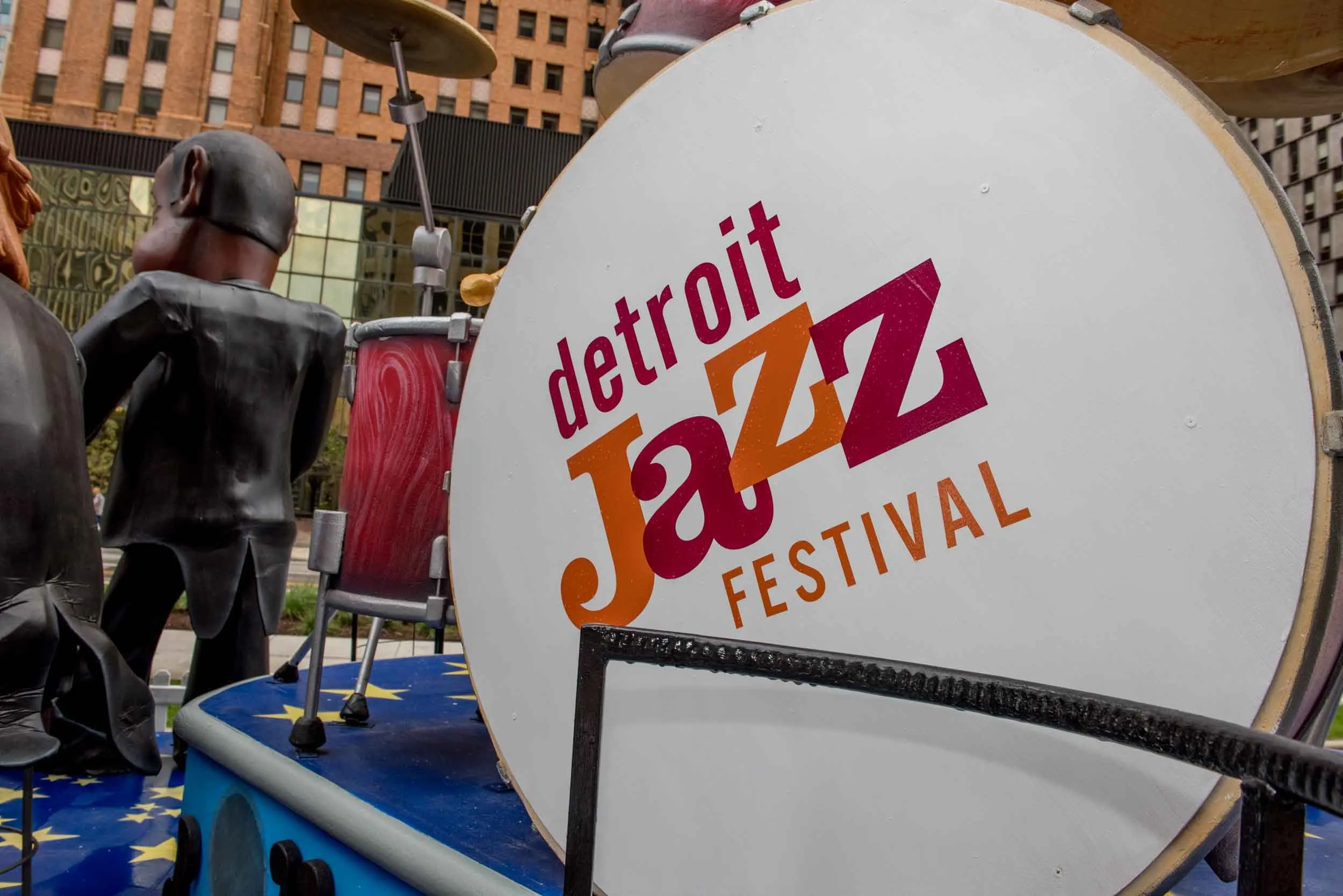
Detroit Public TV and WRCJ 90.9 FM will spotlight Detroit’s role in helping introduce jazz music to the world in the new half-hour documentary, Detroit Jazz City. Catch the first 5 minutes here and full documentary in the 30-minute broadcast special on Detroit Public TV September 18th at 9:30 p.m.
One Detroit
- A new album, “Live at Baker’s Keyboard Lounge,” features previously unreleased recordings of jazz pianist Oscar Peterson from 1960.
- The recordings were made at Baker’s Keyboard Lounge in Detroit, considered the world’s oldest continuously operating jazz club.
- The tapes, featuring Peterson’s trio with Ray Brown and Ed Thigpen, were mislabeled and sat in a vault for decades.
More than six decades after they were captured inside one of the city’s most hallowed rooms, previously unreleased recordings by jazz piano giant Oscar Peterson have emerged as “Live at Baker’s Keyboard Lounge,” a new Verve Records release that places Detroit squarely at the center of jazz history once again.
The album documents five sets recorded in August 1960 at Baker’s Keyboard Lounge, the intimate club on Livernois that bills itself as the oldest continuously operating jazz club in the world. At the time, Detroit was a national jazz capital, and Baker’s — just 99 seats — was where the music’s biggest names came to stretch out in front of audiences who knew how to listen.
For Detroiters, the release is more than a rediscovered artifact. It is a reminder that the city has long been a crucible for world‑class jazz, not merely a stopover between New York and Chicago. Peterson’s performances in Detroit were not incidental; he played Baker’s frequently between the late 1950s and early 1970s, forging a deep bond with the venue and its audience.
Inside the 1960 Oscar Peterson trio sessions
Recorded during a two‑week engagement, the newly issued album feature Peterson with bassist Ray Brown and drummer Ed Thigpen, a trio operating at the height of its collective powers. The tapes of their sets, intended originally as a live album for Verve, were mislabeled and left untouched in the label’s vaults for decades before their rediscovery.
The release arrives as both a standard LP and CD. An expanded “complete recordings” version presents all five sets in performance order. Liner notes for the set were written by Detroit jazz historian Mark Stryker, grounding the music firmly in its local and cultural context.
What the release means for Detroit jazz history
“I am especially excited that this recording not only captures Peterson’s trio at the top of its game, but that it also shines a bright spotlight on the distinguished history of Baker’s Keyboard Lounge and will remind folks around the country that the club is still in the game 92 years after it first opened its doors in 1934,” Stryker told the Free Press.
“I also think that the recording will reinforce Detroit’s reputation as a jazz mecca that in 1960 was the most prolific feeder of talent to the national scene. Finally, Peterson’s ‘Live at Baker’s Keyboard Lounge’ is significant in that it’s only the fifth commercially released recording made at Baker’s and the first to appear in more than two decades.”
Musically, the album captures a side of Peterson that feels tailor‑made for Detroit: virtuosic without flash, muscular but disciplined, and driven by swing that never loosens its grip. The trio moves effortlessly through standards and modern repertoire alike, including Charlie Parker’s “Confirmation,” John Lewis’ elegy “Django” and Peterson’s only known recorded performance of the 1929 standard “S’posin’.”
For listeners accustomed to hearing about Detroit’s legacy through Motown or post‑industrial reinvention, the album provides an audible reminder that the city has always been deeply enmeshed in the national jazz story.
That story is inseparable from Baker’s itself. Located along the Livernois corridor, the club offered a rare intimacy that allowed musicians to take chances and audiences to feel part of the creative exchange. What survives on tape is not just a great trio playing at a high level, but the sound of Detroit as an active participant: attentive, demanding and fully invested.
The newly released album coincides with the centennial year of Peterson’s birth, adding further weight to the project. Yet from a Detroit vantage point, the significance lies less in commemoration than in reclamation. These performances affirm that historic jazz moments didn’t only happen elsewhere — they happened here in Detroit, inside a small club on Livernois, on warm August nights when the city was listening.
For a city that continues to protect and promote Baker’s as a living cultural landmark, “Live at Baker’s Keyboard Lounge” is both a vindication and a gift. It allows Detroiters to hear themselves — present in the room, shaping the music — at a moment when one of jazz’s greatest artists was playing not for history, but for the house.
‘ The preceding article may include information circulated by third parties ’
‘ Some details of this article were extracted from the following source www.freep.com ’