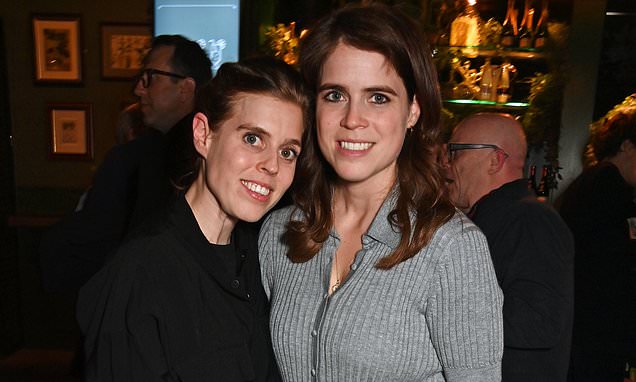
Princesses Eugenie and Beatrice are poised to make their first significant public appearance in weeks, stepping into the void left by senior royal absences as the British monarchy undergoes a quiet but profound structural realignment.
The royal sisters are confirmed to join senior members of the firm at the highly anticipated wedding of their cousin, Peter Phillips, and his fiancée, Harriet Sperling, next month. This strategic deployment of the York sisters underscores a critical evolution in the monarchy’s operational roster, functioning not merely as a family gathering, but as a carefully choreographed display of dynastic continuity amid an era of institutional turbulence.
The Optics of Exclusion
The upcoming appearance is as notable for who will be present as for who will be absent. The princesses are expected to attend the ceremony without their parents, Prince Andrew and Sarah Ferguson. The deliberate omission of the Duke and Duchess of York from high-profile family engagements highlights the relentless effort by the Crown to distance the core institution from historical controversies.
By projecting Eugenie and Beatrice into the spotlight unencumbered by the shadow of their father’s past, royal strategists are attempting to rehabilitate the York brand. The sisters, who have managed to cultivate relatively scandal-free public personas, are increasingly viewed as vital assets capable of bridging the generational divide and performing necessary diplomatic soft power without generating negative press.
The Burden of the Modern Monarchy
The British royal family is currently grappling with a severe shortage of working royals. With King Charles facing ongoing health considerations and the Prince and Princess of Wales balancing young families with intense public scrutiny, the operational capacity of the institution is stretched perilously thin. Eugenie and Beatrice, though not officially classified as full-time working royals, are stepping into a vital supplementary role.
This utilization of secondary royals reflects a broader global trend in dynastic management. From the imperial family of Japan to the royal houses of the Middle East, ruling families are increasingly reliant on extended networks to manage public engagements and charitable patronages. For audiences in Commonwealth nations, including Kenya, the visibility of the royal family dictates the residual strength of British soft power and cultural diplomacy.
- Strategic Deployment: The princesses will serve as prominent representatives at a major family event, absorbing public attention away from absent senior royals.
- Reputational Distance: The absence of Prince Andrew at the ceremony signals a rigid adherence to the monarchy’s self-preservation protocols.
- Operational Strain: The current roster of working royals is significantly reduced, necessitating the occasional elevation of non-working family members.
- Soft Power Metrics: Royal weddings historically generate millions in indirect economic stimulus and massive global television viewership.
Charitable Endeavors and Public Perception
Beyond their ceremonial value, both Eugenie and Beatrice have carved out substantial professional and charitable niches. Princess Beatrice’s advocacy for dyslexia awareness and Princess Eugenie’s relentless campaign against modern slavery have earned them genuine respect across the philanthropic sector. This substantive work provides them with a layer of credibility that transcends mere aristocratic privilege.
Public relations experts argue that integrating the sisters more frequently into the royal calendar provides a much-needed injection of youth and modern relevance. Their ability to navigate the complexities of modern social media while adhering to traditional royal protocol makes them uniquely suited to communicate the monarchy’s relevance to a skeptical younger demographic.
A Carefully Managed Future
The wedding of Peter Phillips will serve as a crucial barometer for public sentiment regarding the York sisters. The event, expected to be a lavish yet tightly controlled affair, will be analyzed extensively by royal correspondents and institutional critics alike.
As the British monarchy navigates the treacherous waters of the 21st century, the structural reliance on figures like Eugenie and Beatrice will likely become permanent. What emerges next from this subtle royal realignment will dictate the survival and relevance of the ancient institution in a rapidly modernizing world.
‘ The preceding article may include information circulated by third parties ’
‘ Some details of this article were extracted from the following source streamlinefeed.co.ke ’