Nashville’s Wedgewood-Houston neighborhood has undergone a dramatic shift in recent years as multiple developers have set their sites on projects for the area.
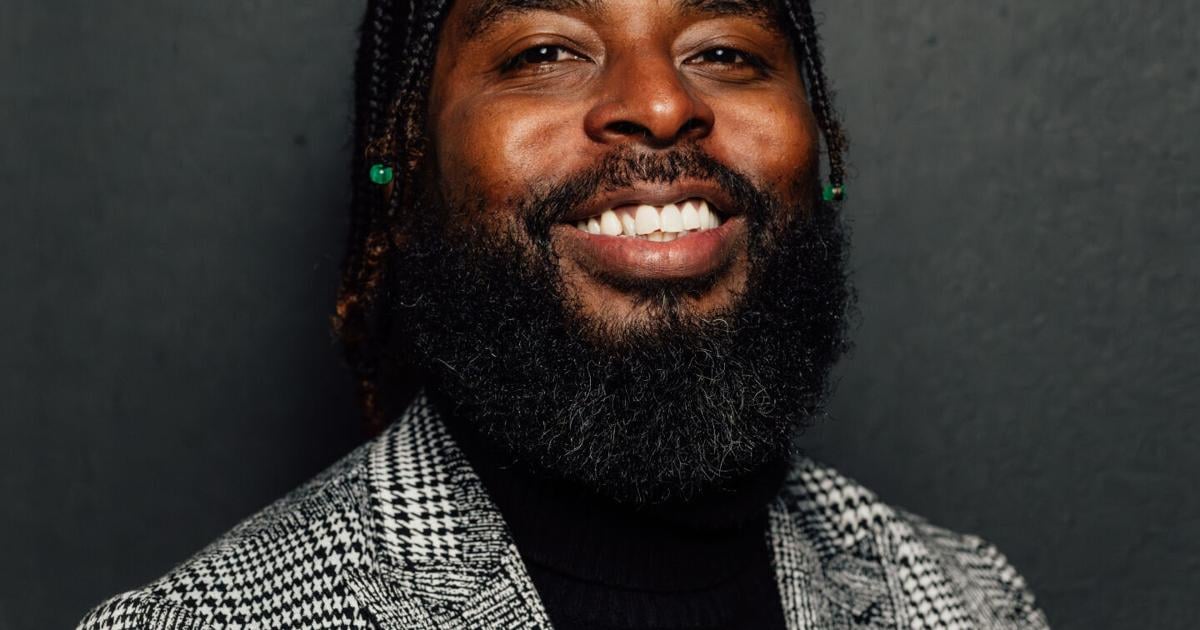
As founder of Aura Holdings Group, Nashville-based entrepreneur, singer-songwriter and Army veteran Ollie Gabriel is the man behind some of the multiple businesses slated to open in what he is billing the Wedgewood Entertainment District.
The multi-building Wedgewood Entertainment District includes a structure to house Aura Holdings Group’s entertainment venue Aura Lounge and sports bar concept BHOPS Sports Zone. Local investor Brad Gulmi owns the building, which he previously dubbed Lindell Station.
Gabriel — who does not own property in the Wedgewood Entertainment District but is overseeing its rebranding and long-term vision — spoke recently with the Post about his plans for operating businesses within the urban node.
What is the Wedgewood Entertainment District, how did the idea get started, and why was Nashville — specifically Wedgewood-Houston — selected for this project?
The Wedgewood Entertainment District started with a much smaller idea.
When I moved to Nashville from Los Angeles, I originally planned to open a small speakeasy-style bar. I wasn’t thinking about a district — I was thinking about creating one great room where people felt something when they walked in. A stage for me and also a place I could showcase other talent.
When I discovered this little conclave in Wedgewood-Houston, that vision immediately grew. This area had all the ingredients: proximity to downtown, easy access right off I-65, and a creative, industrial energy that felt untouched but full of possibility. My mind felt like it could be something big here but I wouldn’t be able to do it alone. My best friend, Micah Berg, believed in the vision that I had. And he became my partner in the endeavor. That was the beginning.
Over time, what began as an idea for a single venue evolved into a larger vision — a walkable hospitality compound where experiences, music and community all live together. Our plan is to completely transform what was once a largely industrial area into a luxury entertainment destination that still respects the neighborhood’s history and creative roots.
Can you walk us through the different components of the district, what phase each project is in today, and how they’ve performed so far?
Aura Lounge is the centerpiece — a state-of-the-art event and entertainment venue that can host up to 1,500 people. Aura is perfect for all types of events, including private and corporate events and, of course, concerts. We are putting the finishing touches on Aura now, and it’s scheduled to open in January. Even before opening, the demand has been incredibly encouraging.
BHOPS Sports Zone is our luxury sports bar concept, opening in the spring (2026). It’s named after Brad and Brycen Hopkins, a father-son duo who happen to both be NFL champs. It’s built around the idea of family and legacy. We want to create an experience that feels like you’re watching the game in the home of your favorite athlete — elevated design, great food, premium drinks and energy you want to stay in.
The district also includes some amazing businesses not under our ownership. Single Malt Cigar Bar, by Ricky Patel, which is a luxury cigar lounge with the largest humidor in Tennessee, The Wedge Pizza, Whiskey Jam, and several smaller businesses that help keep the area active beyond nightlife hours. We just unified the area under one brand.
What can you tell us about the team and business partners working with you on this project, where those relationships came from, and how the vision came together?
Aura Holdings Group started with Micah Berg (the company’s chief financial officer) and me. We became friends before we became business partners.
When I moved to Nashville, Micah and I were basically next-door neighbors and we met organically in the neighborhood. We hit it off on a million levels, as we have similar backgrounds and interests. We started working out together and over time casual conversations quickly turned into deeper discussions about business, community impact and what Nashville could become.
When we decided to build Aura together, we knew we needed a partner with a ton of experience in hospitality. At some point, we were introduced to Cory Mason, who is a well-respected industry veteran in hospitality in the city and beyond. He blended well into our brotherhood and soon became our partner in the vision to develop Wedgewood Entertainment District.
How did you first get involved in entrepreneurship and, beyond this district, are there other business ventures or projects you’re involved in or exploring?
Entrepreneurship has always been an extension of my creativity.
As an artist, I’ve had to learn how to build my own opportunities — from producing music and touring to creating content and experiences. That mindset naturally translated into business.
Beyond the district, I’m involved in some media projects, live programming, and educational initiatives that support youth and young entrepreneurs. Many of those projects intersect with the venues, allowing the district to be more than just a place you visit — it becomes a platform.
How do you balance building and operating multiple businesses while continuing to grow your music career as a recording artist and performer?
For me, it’s all connected. Music taught me how to create moments. Designing the district is teaching me how to scale those moments and be a more powerful leader. One feeds the other.
I’m very intentional about my time and I rely heavily on strong teams. That allows me to stay creatively involved without trying to do everything myself. When the vision is clear, the balance becomes much easier.
What is the status of your business The Corner Wedgewood?
The former Corner Wedgewood is being converted into a commercial catering kitchen and a smaller gathering space, separate from the larger main room of Aura Lounge.
Are there additional concepts or future projects planned within or beyond the district, and how are you thinking about growth, scale and long-term expectations?
There are always ideas, but I’m very intentional about pace.
The focus right now is building something sustainable and meaningful — not rushing expansion. We want to prove that this model works at a high level, operationally and financially, before thinking about what’s next.
Long-term, the goal is to create experiences and brands that can evolve with the city, whether that means expanding the district, adding new concepts, or taking this model into other markets down the line.