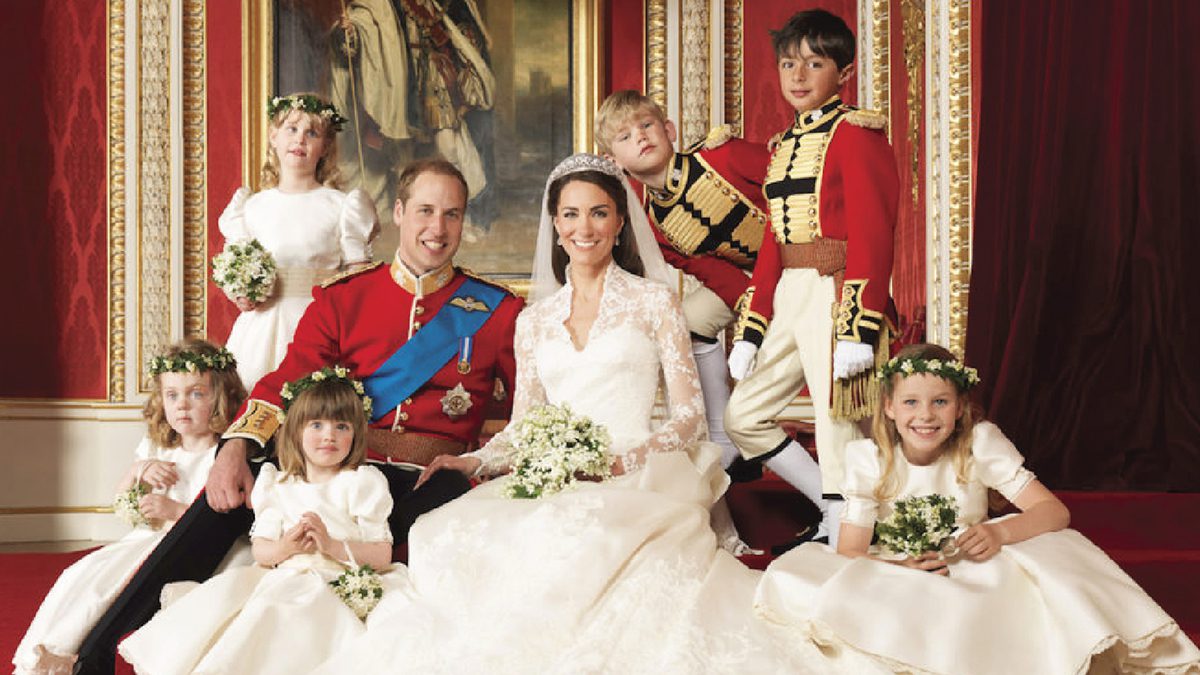
With King Charles III, Prince William, and Catherine, Princess of Wales re-emerging into public view through carefully paced royal engagements, the British Royal Family is entering a distinctly modern chapter—one shaped as much by resilience and health realities as by ceremony and tradition. For an institution built on continuity, this moment feels less like a pause and more like a recalibration under the world’s most persistent spotlight.
In recent years, the monarchy has been navigating an unusually personal set of challenges. King Charles III’s cancer diagnosis, announced in 2024, introduced a rare vulnerability into the sovereign’s public role, prompting periods of reduced duties while he continued constitutional responsibilities and selective engagements. At the same time, Catherine, Princess of Wales, also disclosed a cancer diagnosis and stepped back from public life to undergo treatment, temporarily reshaping the visible structure of senior royal appearances. These developments, shared with notable transparency by royal standards, shifted public attention from pageantry alone to the human dimension of the Crown.
This period of strain has also coincided with continued reputational scrutiny elsewhere in the wider royal household. In an October 17, 2025 statement, Prince Andrew said—following discussions with King Charles III and his immediate and extended family—that ongoing accusations against him were increasingly distracting from “the work of His Majesty and the Royal Family.” He reaffirmed that he had already stepped back from public life and emphasized that he was “putting my duty to my family and country first,” underscoring a continued withdrawal from royal duties amid longstanding controversy.
As both figures have gradually reappeared in public-facing roles, interest has intensified rather than softened. Their returns are not framed as a simple “back to normal,” but as a careful re-entry into duty—measured, intentional, and highly symbolic. For audiences accustomed to seamless royal optics, this slower cadence has added a new layer of meaning to every appearance, every carriage procession, and every balcony moment.
Meanwhile, Prince William has assumed an even more prominent position within the working framework of the monarchy. As heir apparent, his public engagements have expanded in both volume and weight, reinforcing a steady sense of future continuity. Yet his role is no longer only about preparation for succession; it is also about stabilizing the present. In many ways, he now operates as both bridge and anchor—connecting tradition with a rapidly evolving public appetite for transparency, relevance, and emotional resonance.
What makes this era particularly compelling is the tension between expectation and evolution. The House of Windsor has long thrived on discretion and duty, but today’s global audience consumes royal life in real time, across platforms that demand immediacy and interpretation. Every return to public duty is therefore both ceremonial and narrative-driven, scrutinized not just for what is done, but for what it signals about the monarchy’s future.
At its core, this moment is about endurance. Health challenges have reminded the public that even the most established institutions are not immune to human fragility. Yet they have also revealed something equally powerful: the monarchy’s ability to adapt without losing its symbolic center.
For many observers, especially within a global luxury audience attuned to legacy, lineage, and continuity, the current chapter of the British Royal Family is less about interruption and more about transformation. The Crown is not receding—it is recalibrating. And in doing so, it is quietly redefining what modern monarchy looks like in an age that demands both tradition and truth in equal measure.
‘ The preceding article may include information circulated by third parties ’
‘ Some details of this article were extracted from the following source readelysian.com ’