That changed dramatically in 2018 when the Kingdom officially lifted its long-standing ban on public movie theaters, opening the door to an entirely new entertainment industry. What followed was one of the most remarkable transformations in the global cinema business.
In just a few years, Saudi Arabia has witnessed the rapid construction of multiplexes, premium theaters, IMAX screens, luxury cinema experiences, and modern entertainment destinations across major cities. International cinema operators entered the market, local brands expanded aggressively, and moviegoing quickly became a mainstream leisure activity.
Today, cinemas are no longer simply places to watch films. They have become social hubs where families, friends, and young professionals gather for entertainment, dining, and shared experiences.
According to Renub Research, the Saudi Arabia Cinema Market is projected to grow from US$ 611.22 million in 2025 to US$ 1,389.02 million by 2034, expanding at a compound annual growth rate (CAGR) of 9.55% between 2026 and 2034. This impressive growth is being driven by government support, rapid infrastructure development, rising disposable incomes, and increasing consumer demand for modern entertainment experiences.
As the Kingdom continues pursuing its Vision 2030 objectives, the cinema industry is emerging as one of the country’s most dynamic and promising entertainment sectors.
The Impact of Vision 2030
The revival of cinema in Saudi Arabia cannot be discussed without mentioning Vision 2030.
The government’s ambitious economic diversification strategy aims to reduce dependence on oil while creating new opportunities in tourism, culture, entertainment, and creative industries. Cinema development has become a key part of that broader vision.
Public and private investments have accelerated the construction of entertainment infrastructure throughout the Kingdom. Authorities have actively encouraged partnerships with international operators and investors to build world-class cinema experiences.
The reopening of cinemas in 2018 marked a major milestone.
Since then, dozens of theaters and hundreds of screens have been introduced across major cities. New cinema projects continue to be integrated into shopping malls, mixed-use developments, entertainment districts, and lifestyle destinations.
Government backing remains one of the strongest forces supporting long-term market expansion.
A Young Population Is Driving Demand
Saudi Arabia possesses one of the youngest populations in the world.
More than 70% of the population is under the age of 35, creating a large audience eager for modern entertainment options. Young consumers are highly connected, digitally engaged, and increasingly interested in global entertainment trends.
Cinema aligns perfectly with these preferences.
Movie theaters provide an accessible and social form of entertainment that appeals to students, young professionals, couples, and families alike. The cinema experience offers an opportunity to enjoy blockbuster releases, spend time with friends, and participate in shared cultural experiences.
Growing disposable incomes are further supporting demand.
As living standards improve and entertainment spending increases, consumers are allocating more of their budgets toward leisure activities. Cinema visits have become a regular part of urban lifestyles in many parts of the Kingdom.
This youthful demographic profile provides a strong foundation for sustained market growth.
Rapid Cinema Infrastructure Expansion
One of the most visible changes in Saudi Arabia’s entertainment landscape has been the rapid expansion of cinema infrastructure.
Modern multiplexes are appearing throughout major cities and emerging urban centers. These venues feature advanced projection systems, premium sound technologies, luxury seating, and enhanced customer amenities.
Major operators continue investing heavily in expansion.
In January 2025, Muvi Cinemas opened its twenty-second location at The Village Center in Jeddah, further strengthening its presence within the Kingdom. The company continues expanding its network to meet growing demand for premium movie experiences.
The integration of cinemas within shopping malls and mixed-use developments has been particularly successful.
Visitors can combine shopping, dining, and entertainment within a single destination, creating a comprehensive leisure experience that encourages repeat visits.
As new venues continue opening across the country, cinema accessibility is improving significantly.
Box Office Revenue Continues Rising
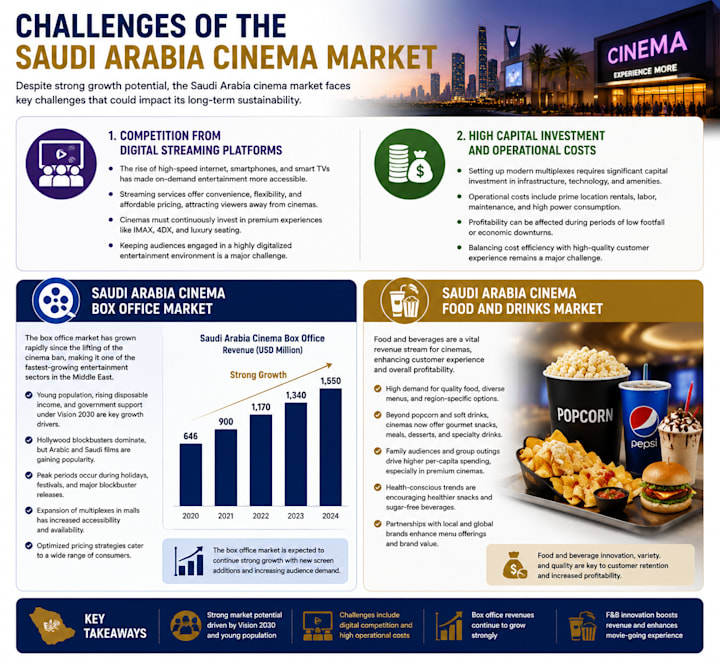
Saudi Arabia’s box office market has become one of the fastest-growing segments of the country’s entertainment industry.
Hollywood productions currently dominate ticket sales, attracting large audiences for action films, superhero franchises, science fiction releases, and family-oriented blockbusters. However, Arabic-language films and locally produced content are also gaining momentum.
This diversification is important for long-term industry development.
The growth of domestic film production supports local talent, cultural storytelling, and broader audience engagement. As Saudi filmmakers gain experience and visibility, locally produced content is expected to play a larger role in driving cinema attendance.
Holiday periods, school vacations, and major blockbuster releases continue generating strong box office performance.
The combination of international content and growing local production creates a balanced and sustainable growth model for the industry.
Premium Cinema Experiences Are Becoming Popular
Modern consumers increasingly seek experiences rather than simply products.
This trend is particularly evident within Saudi Arabia’s cinema market, where premium offerings are attracting growing interest.
Luxury cinema formats feature reclining seats, private lounges, enhanced privacy, personalized service, and premium food options. These experiences appeal to consumers willing to pay higher ticket prices in exchange for superior comfort and convenience.
Premium cinemas are especially popular among affluent families, professionals, and couples seeking elevated entertainment experiences.
Many operators are integrating cinema visits with gourmet dining, transforming moviegoing into a broader lifestyle experience.
As disposable incomes continue rising, premium formats are expected to capture an increasingly large share of total cinema revenue.
IMAX Is Redefining the Movie Experience
Among premium formats, IMAX has established itself as one of the most sought-after options.
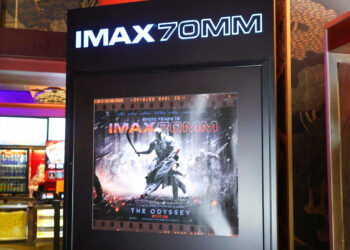
IMAX theaters offer exceptionally large screens, advanced projection systems, and immersive audio technologies that create a more engaging viewing experience. These venues are particularly popular for blockbuster films, action movies, and visually spectacular productions.
Moviegoers are often willing to pay premium ticket prices for IMAX screenings because of the enhanced quality and exclusivity.
The format has become an important differentiator for cinema operators competing in a rapidly evolving market.
As more high-budget films are produced specifically for premium formats, demand for IMAX experiences is expected to remain strong throughout the forecast period.
3D Cinema Continues Attracting Audiences
While newer technologies continue emerging, 3D cinema remains an important segment of Saudi Arabia’s market.
Families and younger viewers are particularly drawn to three-dimensional movie experiences, especially for animation, science fiction, and action films.
Modern 3D projection technologies have significantly improved image quality, brightness, and viewer comfort compared with earlier generations.
Consumers often view 3D screenings as a value-added entertainment experience that justifies a modest ticket premium.
Although IMAX and other premium formats compete for audience attention, 3D cinema remains widely accessible and continues attracting substantial attendance across multiplex networks.
Food and Beverage Sales Are Becoming Major Revenue Sources
Ticket sales are only one part of the cinema business.
Food and beverage purchases have become increasingly important contributors to overall revenue and profitability. Saudi consumers increasingly expect high-quality dining options as part of their cinema experience.
Traditional snacks such as popcorn and soft drinks remain popular, but operators are expanding menus significantly.
Many cinemas now offer gourmet popcorn, desserts, specialty beverages, sliders, nachos, and premium snack options. Some venues provide in-seat dining services that enhance convenience and luxury.
Health-conscious consumers are also influencing menu development.
Operators are introducing healthier alternatives and sugar-free beverage options to accommodate changing preferences.
These innovations help increase spending per visitor while improving customer satisfaction.
Riyadh Leads the National Market
Riyadh remains the largest and most influential cinema market in Saudi Arabia.
As the Kingdom’s capital and largest city, Riyadh benefits from strong purchasing power, a large population base, and extensive entertainment infrastructure. The city hosts numerous multiplexes offering standard, 3D, IMAX, and VIP experiences.
Cinema audiences in Riyadh are highly diverse, including families, students, professionals, and international residents.
Premium cinema formats perform particularly well due to high disposable incomes and strong demand for luxury entertainment options.
Government-backed cultural initiatives and infrastructure investments further strengthen Riyadh’s leadership position within the national market.
Jeddah Continues Expanding
Jeddah represents another critical market for cinema operators.
The city’s diverse population, strong tourism sector, and vibrant social culture create favorable conditions for entertainment businesses. Cinemas integrated into lifestyle malls and entertainment destinations benefit from consistent foot traffic throughout the year.
Moviegoers in Jeddah demonstrate strong interest in both international and Arabic-language content.
Luxury seating, dine-in cinema concepts, and premium services are becoming increasingly popular as consumers seek more immersive experiences.
The city’s continued urban development and youthful demographics are expected to support long-term growth.
Eastern Province Markets Are Growing
Cities such as Dammam and Dhahran are also contributing significantly to market expansion.
Dammam benefits from a stable population base and strong economic activity associated with the Eastern Province. Multiplex cinemas located within major shopping centers attract families and working professionals throughout the year.
Dhahran, while smaller, represents a premium-oriented market.
Its audience includes professionals, expatriates, and higher-income households that often prioritize quality and comfort. As a result, premium ticket sales and upscale food offerings perform particularly well.
Together, these markets highlight the broad geographic opportunities available throughout Saudi Arabia.
Streaming Services Present a Growing Challenge
Despite impressive growth, the cinema industry faces increasing competition from digital entertainment platforms.
Streaming services provide consumers with convenient access to movies and television content from home. High-speed internet, smartphones, and smart televisions have made digital entertainment more accessible than ever before.
Consumers appreciate the flexibility and affordability of on-demand viewing.
To remain competitive, cinema operators must continue offering experiences that cannot be replicated at home. Technologies such as IMAX, 3D projection, luxury seating, and immersive sound systems play a crucial role in maintaining cinema’s unique value proposition.
The challenge is not simply attracting audiences but consistently delivering experiences that justify leaving the comfort of home.
High Costs Remain an Industry Concern
Building and operating modern cinemas requires significant investment.
Multiplex construction involves substantial expenditures on real estate, projection systems, sound technologies, seating, and infrastructure. Ongoing operational expenses include staffing, maintenance, utilities, and licensing fees.
During periods of lower attendance, profitability can become more challenging.
Operators must carefully balance investment in premium experiences with cost management strategies that support sustainable growth.
As competition intensifies and consumer expectations continue rising, maintaining operational efficiency will remain an important priority.
Looking Toward the Future
The future of Saudi Arabia’s cinema industry appears exceptionally promising.
Vision 2030 initiatives will continue supporting entertainment infrastructure development, while a young population and rising disposable incomes provide a strong consumer foundation.
Advances in projection technologies, premium formats, immersive experiences, and local content production are expected to further strengthen audience engagement.
Cinema operators will increasingly focus on creating complete entertainment experiences that combine films, dining, social interaction, and luxury amenities.
As the Kingdom continues evolving into a regional entertainment hub, cinemas are likely to play an even more significant role in the country’s cultural and economic transformation.
Final Thoughts
Saudi Arabia’s cinema market has undergone a remarkable transformation in just a few years. What was once a non-existent public industry has become one of the fastest-growing entertainment sectors in the Middle East.
With the market projected to grow from US$ 611.22 million in 2025 to US$ 1,389.02 million by 2034, opportunities for cinema operators, investors, technology providers, and content creators remain substantial.
Government support, demographic advantages, infrastructure expansion, and growing consumer enthusiasm for entertainment continue creating powerful momentum. As Saudi Arabia advances toward its Vision 2030 goals, the cinema industry stands as a compelling example of how cultural and economic transformation can create entirely new opportunities for growth and innovation.
‘ The preceding article may include information circulated by third parties ’
‘ Some details of this article were extracted from the following source vocal.media ’