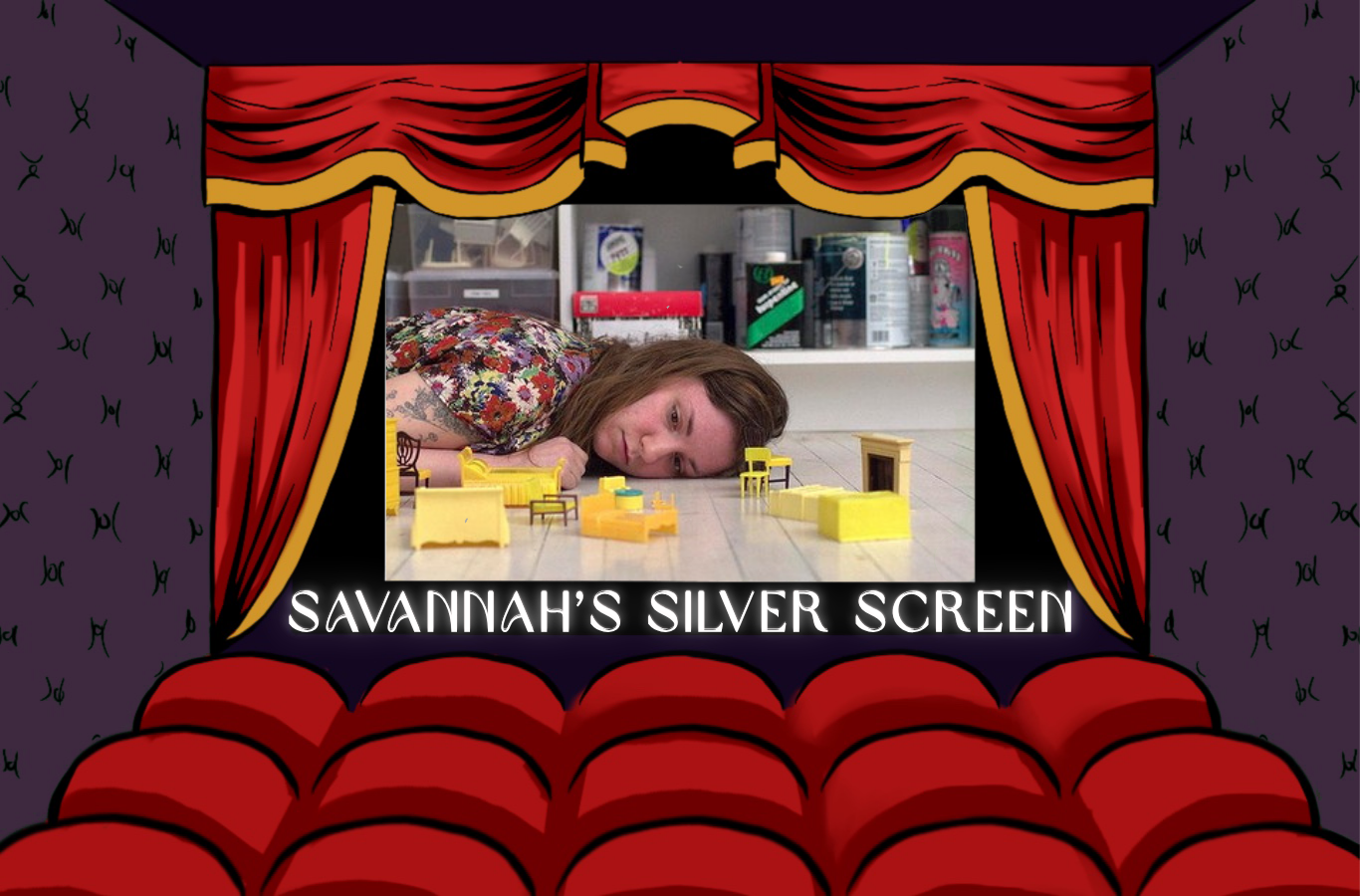
In forcing audiences to reckon with an entitled, unlikeable main character, Lena Dunham’s “Tiny Furniture” stands as a foundational predecessor to HBO’s “Girls” in its thought-provoking realism and simple visuals.
With the April release of her memoir “Famesick,” Dunham took the internet by storm yet again with stories surrounding her past relationship with music producer Jack Antonoff and her undeniable chemistry with actor Adam Driver.
Besides her latest Netflix show “Too Much,” starring Meg Stalter and Will Sharpe, Dunham has not truly tapped into the television medium in a more down-to-earth, provocative tone since the airing of “Girls.”
The one question that remained was clear: How did Dunham come to embody such a distinctive storytelling voice? Audiences can find that answer in her 2010 film, “Tiny Furniture.”
An armoire’s contents: uncomfortable yet realistic characterizations
“Tiny Furniture” follows Aura, who was dumped by her long-term boyfriend soon after graduating from college. When she moves back home to her mother’s house for the summer to save money, the audience sees Aura argue childishly with her family, reconnect with a childhood best friend and even engage in awkward yet unique interactions with men.
As the film progresses, viewers watch Aura as she navigates life after college like a buoy adrift at sea; she floats aimlessly through what seems like an abysmal aftermath beyond receiving her diploma, and she approaches both personal relationships and her own identity in a blunt manner.
Aura even comes off as unlikeable at times as she snoops through her mother’s old diaries, flirts with a taken man and takes advantage of her mother’s hospitality in a way that most people today would call weaponized incompetence.
While her behavior is distasteful and unbecoming of a postgraduate young woman, she is simply a reflection of the worst sides one can turn to if they return to a place they thought they left behind forever.
A coffee table without coasters: student film aesthetics
While I tend to prefer films that tell complex stories through intricate camerawork, lighting techniques and coloring, I quite enjoyed the film’s visual simplicity.
In the scene where Aura first returns home and greets her mother and sister, I immediately took into account the harshness of the lighting and how it illuminates almost every crevice of the space so that nothing in the frame is disregarded as unimportant to an observer’s eye.
These details help convince the audience that it is possible a group of undergrad students were actually forced to get together to do the best with what they had for a film project, with a clear lack of knowledge in how to light a shot for narrative purposes. However, what makes it complex despite it being so simple is that the lighting’s harshness solidifies the film’s various narrative layers.
The lighting easily conveys Aura’s mother’s job as a photographer and her need to get a clear shot of her camera’s subject, which speaks to her precise nature and ability to see through Aura’s childish nature.
It also puts every person in the scene clearly on display to identify who they are, which portrays them as naturally and realistically as can be. There are no post-production edits, shadows or deliberate lighting techniques to frame a different story; it is just who they are effortlessly and without remediation.
Building a director’s chair: the film as Dunham’s origins
As Dunham recounts in her memoir, the screening of the film at a film festival led to a meeting with HBO.
After writing a script for a first episode for a TV show, the network offered her a blind pilot deal, which meant she was greenlit not only for the world of film but also television. This pilot would be for her series “Girls.”
Traces of “Tiny Furniture” can be found in the HBO show through its unruly character decisions and minimalist camera framing. This even applies to some casting decisions as Jemima Kirke and Alex Karpovsky starred in her film and were then brought on as series regulars to “Girls.”
Even though her style is unconventional in terms of just how pretentious yet modern TV can be, Dunham’s influence in visual media would not be as significant today without “Tiny Furniture.”
★★★☆☆
‘ The preceding article may include information circulated by third parties ’
‘ Some details of this article were extracted from the following source lsureveille.com ’