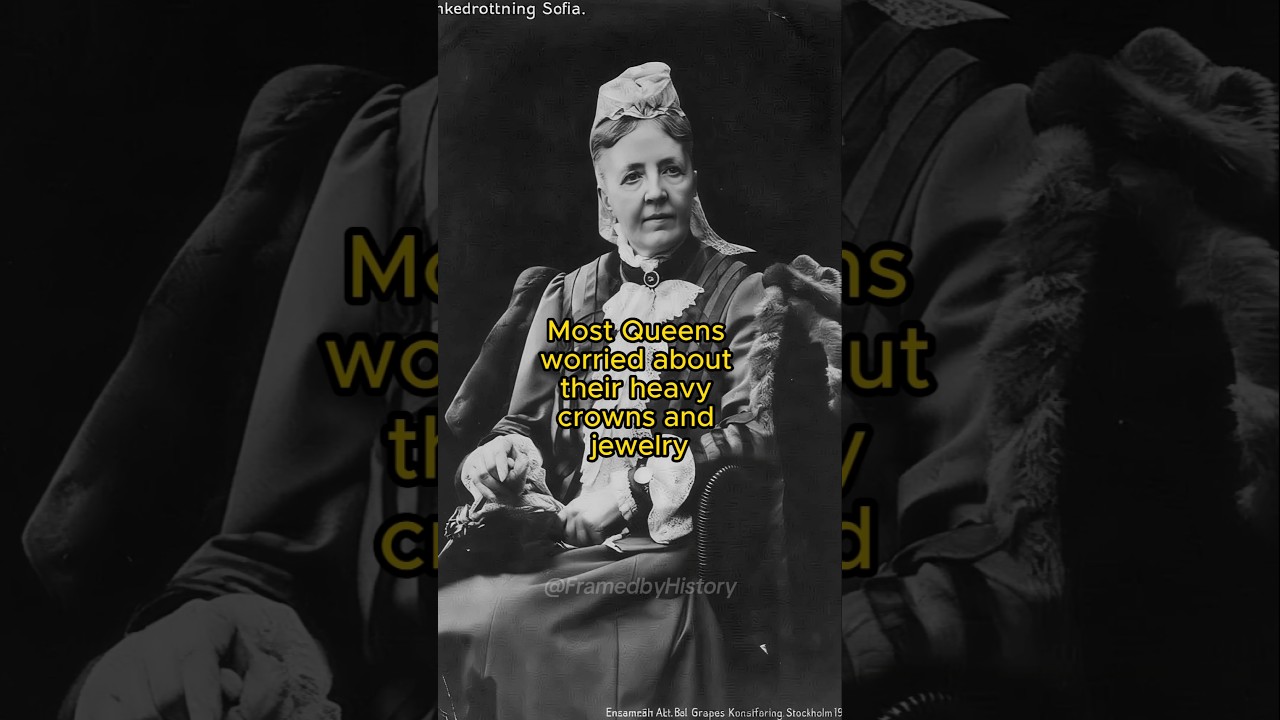
When Princess Sophia of Nassau married the future King Oscar II of Sweden and Norway, it seemed like a perfect match. She was intelligent, well-educated, and deeply religious; he was charming and cultured. But behind the glittering façade of the royal court lay a painful reality: King Oscar was famously unfaithful.
Sophia faced a humiliation that few queens have endured so publicly. Her private heartbreak was an open secret. But instead of retreating into the shadows or becoming bitter, she did something extraordinary: she transformed the role of queen consort from a ceremonial one into a position of genuine power and moral authority.
Inspired by Florence Nightingale, she dedicated herself to reforming nursing and healthcare in Sweden, establishing the country’s first modern nursing school. While her husband pursued his pleasures, she built hospitals. She became a quiet but influential political advisor to her husband, who deeply respected her intellect and often relied on her judgment.
Her greatest moment came during one of the most severe crises in Scandinavian history: the dissolution of the union between Sweden and Norway in 1905. While hotheads on both sides were calling for war, it was Queen Sophia who was a powerful voice for reason and peace. She used all her influence to prevent bloodshed, understanding that a war between brothers would be a catastrophe.
She reigned longer than any queen before her, becoming not just the king’s wife, but the nation’s conscience. She was a woman who turned her private pain into public strength, proving that the true power of a monarch lies not in the crown, but in character.
#history #royalty #sweden #queen #womeninhistory
Video Source