Thirty-five years after ‘The Silence of the Lambs’ turned cannibalism into a metaphor for cultivated evil, the film feels less like psychological fiction and more like cultural diagnosis. In an age of elite scandals, bizarre celebrity rituals and collapsing public trust, Hannibal Lecter no longer terrifies because he seems unimaginable — but because he increasingly does not
In 2018, Sandra Bullock casually told daytime talk show host Ellen DeGeneres that her luxury facial treatment used cells derived from
Korean baby foreskin. In 2020, reports of Hollywood celebrities experimenting with
blood-harvesting youth-restoration procedures appeared in tech and lifestyle magazines. These seemed more procedural than scenes from dystopian science fiction or vampire fables.
In 2021, talk about actor
Armie Hammer being into cannibalism began to surface. More than tabloid gossip, there were leaked messages in which the actor allegedly described fantasies involving cannibalism, blood-drinking and consuming parts of another person’s body. The circulation of the
Epstein documents, testimonies and social commentary has deepened public suspicion that immense wealth and polished public morality often coexist quite comfortably with appetites most people would prefer to remain hidden.
With a civilisation slowly discovering its own rot and reality unfolding in ways unimaginable, can cinema even come close? The simple answer is no. As the entertainment industry had become trapped in a strange contradiction — publicly sanitised, privately decadent — the audiences began feeling that they were being lectured, managed and aesthetically manipulated by an industry whose own internal culture appeared increasingly surreal. So, then what we saw in the name of cinema for so long was as ‘designed’ and engineered as it seems now?
Which is why revisiting
The Silence of the Lambs (1991), thirty-five years later, feels almost unnervingly appropriate. Long before celebrity culture collapsed into a hallucinatory mix of elite scandal, consumption metaphors, wellness cults and whispered depravity, Jonathan Demme’s masterpiece had already understood today’s central anxiety: the monster no longer lives outside civilisation. He thrives within it.
The film swept the “Big Five” at the 1992 Academy Awards — Best Picture, Best Director for Jonathan Demme, Best Actor for Anthony Hopkins, Best Actress for Jodie Foster, and Best Adapted Screenplay. Only two films — It Happened One Night (1934) and One Flew Over the Cuckoo’s Nest (1975) — before it had done that. None after it has.
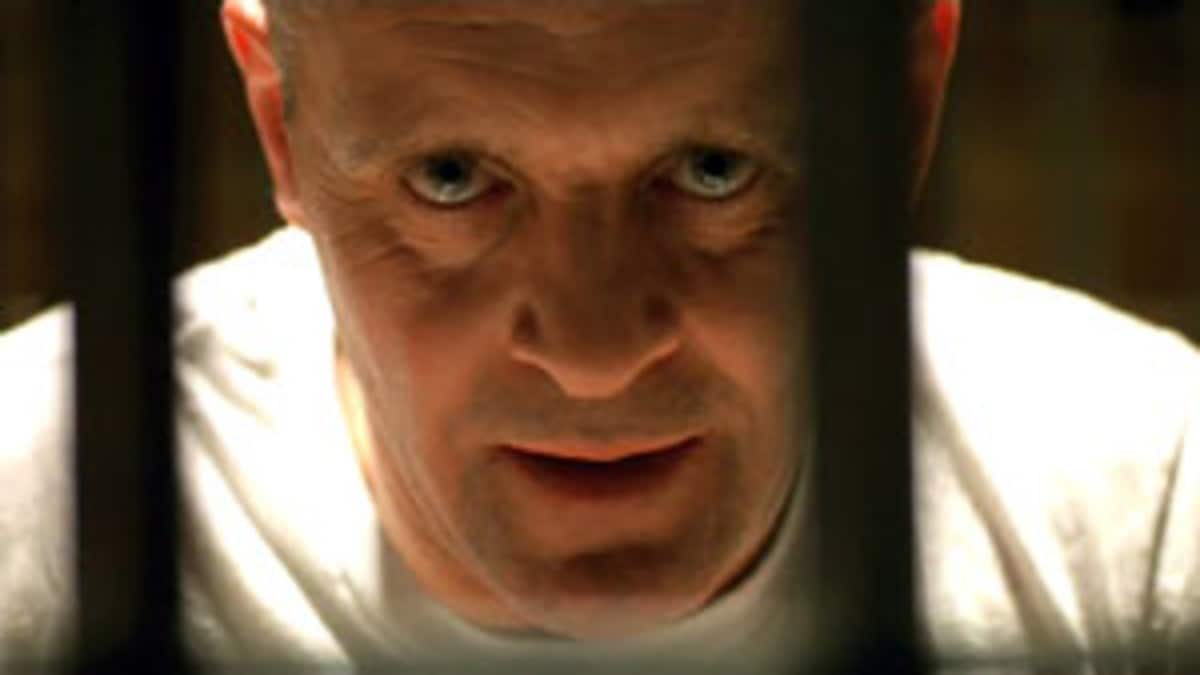
Five years before Demme’s film, Manhunter (1986) had introduced Hannibal Lecter through Michael Mann’s sleek, neon sensibility. That film admired surfaces. Demme understood something darker. The audience would not truly fear Hannibal Lecter because he was savage. They would fear him because he was sophisticated. In Silence of the Lambs, Lecter was cultivated evil. A man capable of discussing Bach, Renaissance art and fine wine before describing human organs as cuisine. The horror was not cannibalism itself. Horror cinema had already explored gore. The horror was refinement without morality. Intelligence without conscience. Appetite is dressed in impeccable manners.
And Demme built the film around restraint rather than spectacle. The lighting remains subdued. Howard Shore’s score moves almost invisibly beneath scenes rather than announcing emotion. Hopkins barely moves at all. He appears on screen for less than twenty minutes and still wins the Academy Award for Best Actor because the performance understands that true menace does not need theatrics.
Thirty-five years ago, when the film released, you’d have never imagined it to be real. What if it were not the case? Not because Hollywood literally contains cannibals lurking behind studio gates, but because the metaphor has become impossible to ignore. Cannibalism in The Silence of the Lambs was always about consumption at its most civilised — power feeding on vulnerability while maintaining perfect etiquette. Thirty-five years later, after Epstein, after celebrity wellness absurdities, after Armie Hammer, after public trust in elite institutions collapsed into permanent suspicion, that metaphor no longer feels exaggerated. It feels diagnostic.
During the 2024 election cycle,
Donald Trump repeatedly invoked Hannibal Lecter at rallies, joking about “having someone for dinner” and warning audiences not to accept such invitations. It might have been delivered as theatre, as pop-cultural riffing, but in the age of Epstein revelations, celebrity scandals and elite paranoia, it lands differently. Once public trust collapses, metaphor begins to lose its safe distance.
Fiction has always been the safest place to store uncomfortable truths. The audience can applaud the performance while pretending not to recognise the confession. Thirty-five years ago, audiences watched The Silence of the Lambs believing the horror lay in how impossible Hannibal Lecter seemed. Thirty-five years later, the discomfort comes from a different place entirely: the growing suspicion that some may always have been better at hiding appetite than eliminating it.
(The writer is a film historian. Views expressed in the above piece are personal and solely those of the author. They do not necessarily reflect Firstpost’s views.)
First Published:
May 17, 2026, 16:58 IST
End of Article
‘ The preceding article may include information circulated by third parties ’
‘ Some details of this article were extracted from the following source www.firstpost.com ’