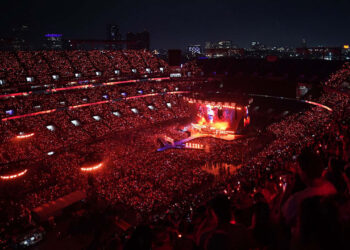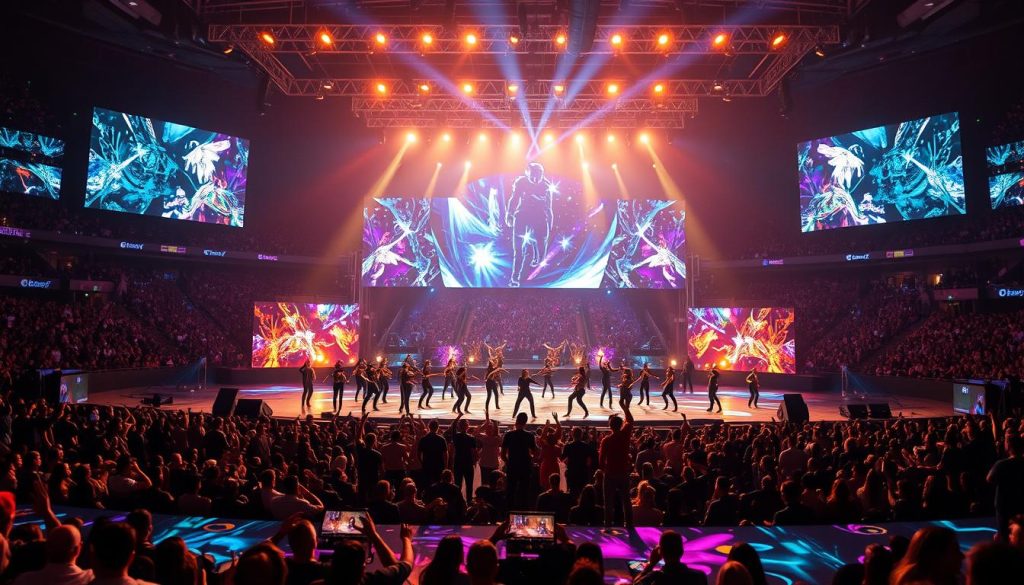
Remember when stadiums just had an organist playing “Charge!” during breaks? Now, arenas are filled with fireworks and loud music. AEG Europe’s sportainment plan shows this isn’t just background music. Their F1 75 Live event mixed old race cars with pop stars, drawing huge crowds like Taylor Swift’s Eras Tour.
Gael Caselli, AEG’s mastermind, is creating unforgettable experiences. NFL halftime shows now attract 115 million viewers, almost double the game’s viewers. This means Beyoncé’s performances are as big as the games themselves. But is this too much?
The real challenge is when the lights go down. Will FIFA’s 2026 World Cup opener, with drones and AI orchestras, improve the game or just add noise? One thing’s for sure: Fans today crave excitement and Wagnerian drama – and they don’t need headphones to enjoy it.
Star Collaborations: Colbie Caillat and Other Headliners
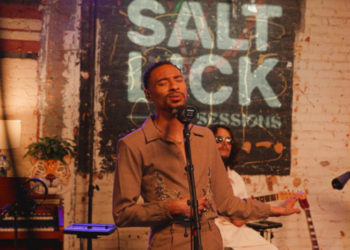
When Colbie Caillat threw out the first pitch at a Milwaukee Brewers game, it was more than just a celebrity appearance. It marked a shift in music event partnerships from sidelines to center stage. It was like the sports world’s version of Barbenheimer – unexpected, chaotic, and captivating.
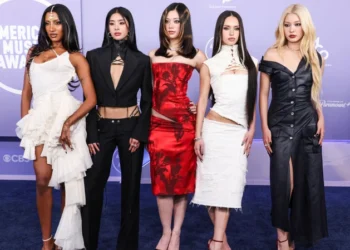
Amazon Music Live made waves with Jelly Roll’s album drop during Thursday Night Football. They combined his music with NFL’s intensity, creating a cultural phenomenon. TWICE’s concert after the Steelers game also drew a lot of attention, showing how fast K-pop fandoms grow.
But not all collaborations are successful. The Dr. Martens music series stands out because it’s true to the brand’s punk roots. It avoids the awkwardness of forced team photos, unlike last year’s “Country Night” at a New York Rangers game.
The key to great collaborations is to treat them like a relay race:
- Pass the baton (don’t spike it)
- Keep pace with your audience’s rhythm
- Save your breath for the final stretch
Laver Cup’s concerts on the training court are a perfect example. They offer tennis fans live music, artists gain sports credibility, and everyone avoids awkward moments. This is where Colbie Caillat sports collaborations shine – when they feel like a jam session, not a corporate deal.
Making the Most of Halftime: Trends and Innovations
The modern halftime show has transformed from a brief break to a major event. It now draws in more viewers than some countries. This change didn’t happen by chance.
From Showers to Showstoppers: The New Halftime Playbook
Today’s halftime shows are like magic, mixing pop culture sports in a unique way. Here are some key changes:
- Global Stage Warfare: UEFA’s Champions League final featured a Lenny Kravitz guitar solo at Wembley Stadium. It showed that football isn’t dramatic enough.
- Parking Lot Pandemonium: Amazon’s $15 tailgate tickets turned parking lots into interactive zones. They had VR goal-line stands and selfie zones.
- Brands Playing Offense: Dr Pepper’s “Halftime Heat” concerts are now as exciting as the games. They prove that soda can be both sweet and culturally relevant.
The real innovation is treating halftime as a prime time. We’re seeing:
| Event | Viewership | Wildcard Factor |
|---|---|---|
| Super Bowl LVIII | 123.4M | Flying robots synced to pyrotechnics |
| Champions League Final | 380M (global) | Live augmented reality fan filters |
| NBA All-Star Weekend | 7.3M | Blockchain-powered merch drops |
Could we see holographic Beyoncé duets during timeouts next? Brands are investing big in VR concerts. They want you to be the star. The playbook is clear: Halftime is no longer just a break. It’s where pop culture sports meet to create unforgettable moments.
Marketing Power: Artists, Sponsors, and Sports Brands
Today, merch goes beyond just logos on shirts. It’s become a big part of our culture. Music event partnerships and pop culture sports have turned stadiums into places where fans show their support. But with so many products out there, how do brands stand out?
Merch Madness: When Jerseys Meet Album Drops
The Detroit Lions’ jerseys made from recycled plastic are a hit with eco-friendly fans. Band of Horses teamed up with the Charleston RiverDogs for a special baseball collab. These items are more than just clothes; they’re a way to say “I was there” before the event even starts.
- Dr. Martens’ artist series boots that also serve as VIP passes
- Haggar’s retro sportswear line that brings back 90s hip-hop vibes
- Fender’s Next Program guitars, the official choice for college football bands
But, there’s a lesson from the Portland Pickles. Their viral drinks and “Toilet Row” seats were fun, but didn’t last. As sports sponsorships get more complex, fans can tell when a partnership feels forced.
The secret to success? Make merch like rare vinyl records. It’s about being unique, telling a story, and having cultural value. In 2024, your hoodie is more than just clothes; it’s a ticket to the pop culture sports history show.
From Fandom to Ticket Sales: Why Music Moves the Game
Hot dogs and foam fingers are old news. Today, stadiums are all about the beats and chants. The $146B experience economy is all about owning moments that you can share on Instagram. The Laver Cup’s fan zones are a mix of tennis and indie music, perfect for Gen Z.

The Mosh Pit Meets the Bleachers
Modern venues are more than just game hosts. They’re places where cultural collisions happen. NBA Paris combined sports and music in a unique way. AEG’s Uber Arena offers a 360-degree fan experience with:
- Pre-game Spotify playlists for each team
- Post-victory concerts on retractable roof stages
- Augmented reality merch stations with jersey tracks
This isn’t just marketing; it’s creating memories. The Cubs’ “Go Cubs Go” after their 2016 win was more than a song. It was a soundtrack for a collective memory. Now, buying a ticket is like joining a movement.
Sports and music aren’t just sharing a stage. They’re co-creating a new fan experience. And if you think that’s too much, ask yourself: When was the last time you heard Beethoven’s Fifth at a tailgate?
Audience Engagement: The Social Media Advantage
When did sports highlights become TikTok’s hottest collab? The answer lies in the viral alchemy of pop culture sports. Now, 15-second clips are as valuable as championship trophies. Teams aren’t just playing for stadium crowds anymore. They’re fighting for algorithm favor, where dunk compilations need K-pop cameos to trend.
TikTok End Zones and Instagramable Instant Replays
TWICE’s post-game livestream didn’t just beat Kendrick Lamar’s numbers—it rewrote the playbook. They mixed K-pop choreography with locker room banter, creating shareable moments. The secret? Treating every camera angle like a meme template.
The Portland Pickles’ social team (led by a punter-turned-owner who quotes Stranger Things more than playbooks) proves nostalgia sells. Their strategy:
- Retro graphics that scream 1985 mall arcade
- Hot takes spicier than stadium nachos
- Player cameos in trending audio challenges
But here’s the billion-view question: Can brands sustain attention when every halftime show needs its own Spotify single? Netflix’s SXSW speakeasy—where fans debated Quarterback episodes while sipping themed cocktails—shows longevity requires layered experiences. AT&T’s TV concerts blend live sports with backstage artist access, creating FOMO that outlasts Instagram Stories.
The new rules of pop culture sports engagement? Think less “post and pray,” more “design for remix.” In today’s attention economy, the real MVP is whoever crafts content that fans can’t resist repurposing—preferably with their own hilarious caption.
Predicting the Next Big Music/Sports Partnership
The mix of live music and sports is changing fast. Gone are the days of simple halftime shows. The future will see music and sports blending in new ways, focusing on real connections.
Imagine events where fans and artists work together, not just sponsors. It’s about creating something special, not just selling something.
Crystal Ball Plays: Future Collision Courses
Major League Baseball is already exploring new ideas. They’re looking into metaverse concerts where fans can meet virtual stars. But the real excitement is in local partnerships.
Think of the Toledo Mud Hens teaming up with local bands for special vinyl releases. Or WNBA teams working with Beyoncé to highlight Black women’s art.
Brands like Hangar 1 Vodka are using cool tech to connect with fans. They use fog machines to send scents through the air. Imagine AI creating songs that change based on what the crowd is feeling.
This tech could make Taylor Swift’s shows look old-fashioned. The key is using fan data to create unforgettable moments.
Stadiums are becoming places where fans can dive into new worlds. It’s not just about who’s playing, but how we experience their music in new ways.
‘ The preceding article may include information circulated by third parties ’
‘ Some details of this article were extracted from the following source earthtimes.org ’