A decade ago, traditional country music felt like it was fighting for its place in the mainstream. Radio playlists were dominated by the final waves of bro-country, a sound built on arena-sized hooks, party anthems and pop production that often seemed more interested in tailgates than storytelling. While there were exceptions, fiddles and steel guitars had largely been pushed to the margins. Then came Midland.
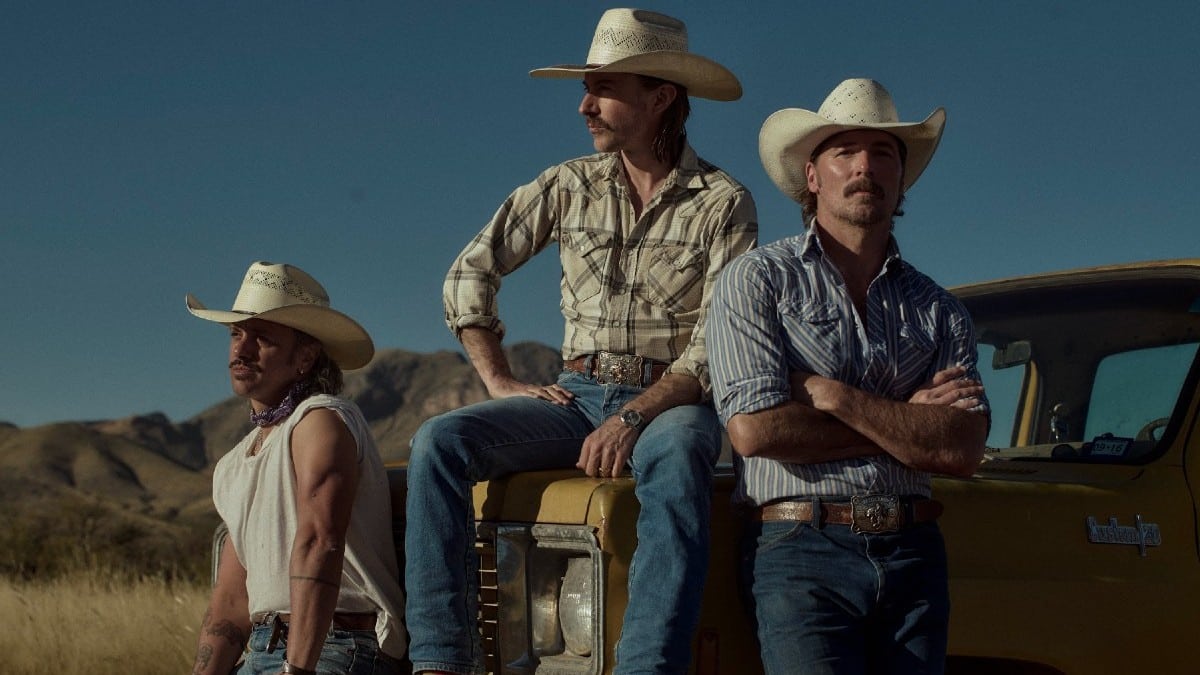
When the Texas trio arrived with ‘Drinkin’ Problem’ in 2016, they felt like a breath of fresh air. Their music wasn’t a novelty act or a nostalgia exercise, despite what other platforms and websites had to say. Instead, it was a modern interpretation of the sounds that had made country music one of America’s most enduring genres. Drawing on the smooth harmonies of the Eagles, the swagger of George Strait and the songwriting traditions of classic country, Midland proved there was still a sizeable audience for music rooted in authenticity and craftsmanship. While artists such as Jon Pardi were also helping steer country back towards its roots, Midland arguably became the movement’s most visible standard bearers. Ten years on, they don’t always receive the credit they deserve for helping make traditional country cool again.
Today, the genre is in the middle of a full-blown neo-traditional renaissance. The reasons are numerous. Part of it is undoubtedly a reaction to the excesses of bro-country. Music moves in cycles, and after years of programmed drums and pop crossovers, audiences have rediscovered the appeal of real instruments, rich storytelling and songs that sound equally at home on a dancehall floor or a back porch. But there is also a broader cultural shift at play. Television phenomena such as Yellowstone and Landman have reignited interest in the mythology of the American West, while audiences across multiple genres increasingly seek music that feels organic, human and rooted in place. Traditional country offers exactly that.
No artist embodies the current moment better than Zach Top. The Washington native has become the breakout star of the movement by embracing the sounds of 1990s country without irony or apology. Listening to his music feels like discovering a lost Alan Jackson record from three decades ago, yet there is nothing dated about his appeal. His songs are sharp, his musicianship impeccable and his understanding of what makes traditional country work is instinctive. If Midland opened the door, Top has sprinted through it.
Alongside him stands a trio of artists carrying the torch for country’s classic sounds. Jake Worthington possesses one of the finest traditional country voices of his generation, effortlessly blending honky-tonk swagger with heartfelt balladry. Drake Milligan has become one of the genre’s most charismatic performers, drawing comparisons to both George Strait and Elvis Presley while crafting a style entirely his own. Randall King remains the purest neo-traditionalist of them all, creating music that could comfortably sit alongside the great Texas dancehall records of the 1980s and 1990s. Together, they represent the clearest line connecting country music’s past to its present.
The movement’s strength, however, lies in the diversity of artists now embracing traditional influences. Braxton Keith has quickly emerged as one of Texas country’s most exciting young talents, combining youthful energy with a deep respect for classic country sounds. His music captures the spirit of a Saturday night honky-tonk while feeling entirely contemporary. Mae Estes approaches traditional country from a songwriter’s perspective, crafting sharply observed songs that place storytelling front and centre. In another era, many of her songs could have become staples of Nashville’s golden age.
Kaitlin Butts and Emily Nenni demonstrate that neo-traditional country is about more than simply recreating the past. Butts brings Red Dirt grit and fearless individuality to her music, creating songs that feel deeply rooted in country traditions while pushing against expectations. Nenni, meanwhile, has become a favourite among critics and hardcore country fans for her devotion to classic honky-tonk. Her records sound timeless rather than retro, recalling the spirit of outlaw country without ever feeling like an imitation. Both artists show that traditional country can evolve without losing sight of its foundations.
Then there is William Beckmann, one of the movement’s most distinctive voices. The Texas singer’s rich baritone and willingness to incorporate Spanish-language material and borderland influences into his music give him a unique place within the neo-traditional landscape. Beckmann’s work highlights an often-overlooked truth about country music: its roots are broader and more diverse than many people realise. By embracing those influences, he is helping expand the genre’s future while honouring its past.
Perhaps the most encouraging aspect of country music’s traditional revival is that it doesn’t feel like a passing trend. Unlike previous nostalgia-driven movements, this resurgence is being led by artists who genuinely live and breathe the music they’re making. They aren’t wearing cowboy hats as costumes or sprinkling steel guitars onto pop songs for effect. They are students of the genre, drawing inspiration from the greats while adding their own perspectives. The result is a movement that feels both authentic and sustainable.
Ten years after Midland helped reignite mainstream interest in traditional country music, the genre finds itself in remarkably good health. From Zach Top’s meteoric rise to the emergence of artists such as Braxton Keith, Mae Estes, Emily Nenni and William Beckmann, a new generation has embraced the sounds that built country music in the first place. Whether this revival began as a reaction to bro-country, a consequence of the Yellowstone effect, or simply a longing for something more authentic, one thing is clear: traditional country is no longer fighting for survival, it is front-and-centre leading the conversation amongst the next generation of Country music fans.
‘ The preceding article may include information circulated by third parties ’
‘ Some details of this article were extracted from the following source entertainment-focus.com ’