The past few years have thrown up more drama for the Royals – Harry, Andrew, cancer (twice), the death of the late queen, etc – than most families go through in a lifetime.
Yet either because they are, beneath all the pomp and pageantry, hot messes who live for the drama or simply because they consider it the right thing to do in these money-conscious times, King Charles has broken with a lifetime of tradition and published his personal tax returns, revealing that he paid HMRC the far-from-trifling sum of £12.9 million in the last tax year: more than half his private income from the Duchy of Lancaster.
“Man publishes tax return” may not seem to be an especially noteworthy story. Yet set in the context of the near-comically opaque finances of the Firm, it is probably the most significant thing to happen to the royal family on a purely constitutional level since the abdication crisis in 1936. If, of course, we ignore the various divorces, disgraces and deaths that have taken place since then. To abandon your palace and expose your finances is a sea change in the family’s relationship with the public.
A large part of the royal family’s enduring quality – “appeal” is not quite the right word – is that they have chosen to remain aloof beyond the everyday cares and concerns of their subjects, and, by and large, have never been challenged on this Olympian detachment. When it was announced that Elizabeth II would start paying tax in 1993, it was greeted with astonishment and gratitude, rather than sighs of “What took you so long?”
Her son is undoubtedly hoping for the same reaction, but he is unlikely to receive it. This is partly because he is not as popular a figure as the late queen, and also because the small print throws up some eyebrow-raising numbers, not least a near-doubling of the sums given to the monarchy in the sovereign grant from the workings of the Crown Estate. But it is also because Queen Elizabeth was an expert in keeping things as uncontroversial and steady as possible. It was no wonder that, when she greeted people at the innumerable public events that she held during her reign, her standard remark was “Have you come far?”
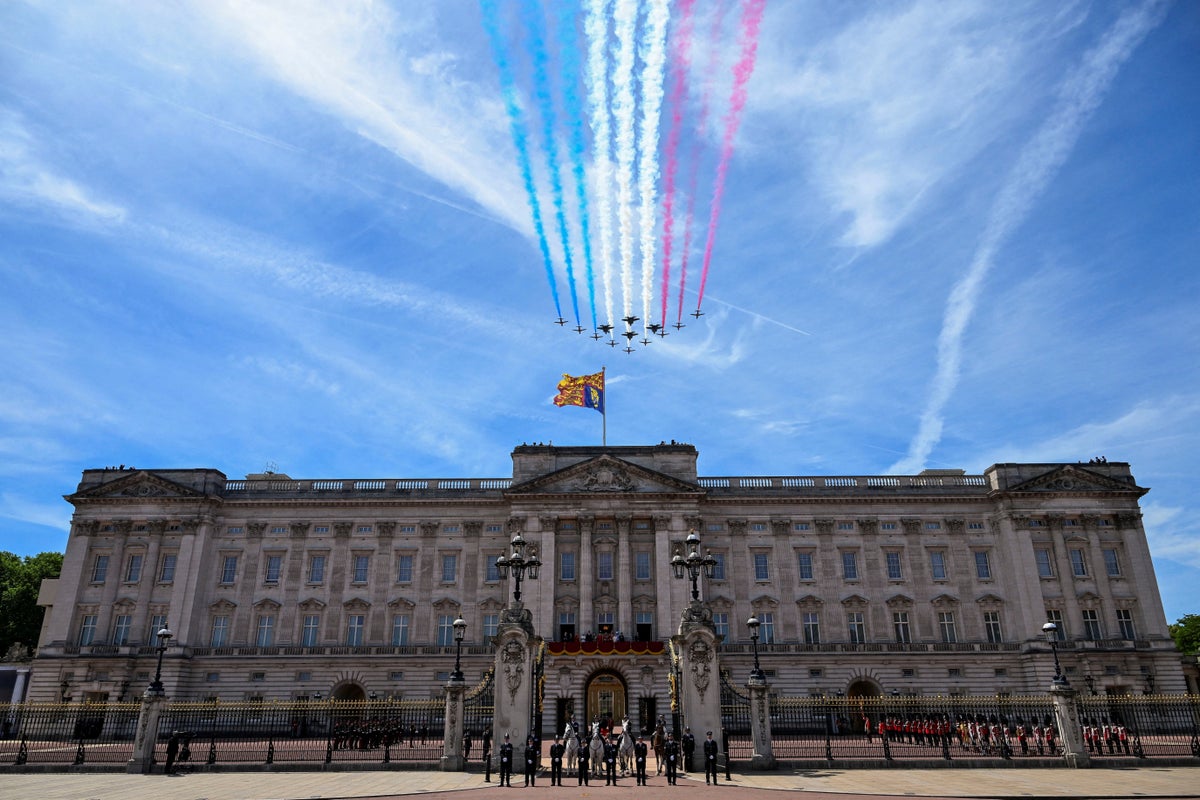
King Charles certainly has come far, in one sense, by opening the doors of Buckingham Palace – somewhere he will never live, despite the £369 million of public money spent on its refurbishment – to the taxman and concomitant popular scrutiny. While there will be those who grumble that there are still things that have never been brought out into the open (the none-more-secretive royal archives, for instance, which sit in the Round Tower of Windsor Castle), this is a major step for Charles personally and the institution of the monarchy in general. He should be applauded for having the foresight to take such decisive action.
Yet he might also be asking himself today whether he has gone too far. The whole point of the British royal family, rather than, say, the Dutch equivalent, where its members happily ride around city streets on bicycles, is that it removes itself from ordinary concerns. If we regard the Firm as nothing more than an extension of our own family lives, than questions must be asked about why its members still merit hundreds of millions of pounds of public money, and whether their subjects are getting value for money as a result.
Both Charles and, to a greater extent, William have been trying hard to demystify themselves over the last few years – embracing strangers, giving candid interviews and generally attempting to make themselves seem more accessible. On a personal level this is commendable. But those actions, and now this extraordinary one, run the risk of turning the royal family into just another business. And, given the ructions that it has faced over the past few years, some might be whispering that it’s time to send the auditors into SW1 to have a closer look, too.
‘ The preceding article may include information circulated by third parties ’
‘ Some details of this article were extracted from the following source www.independent.co.uk ’