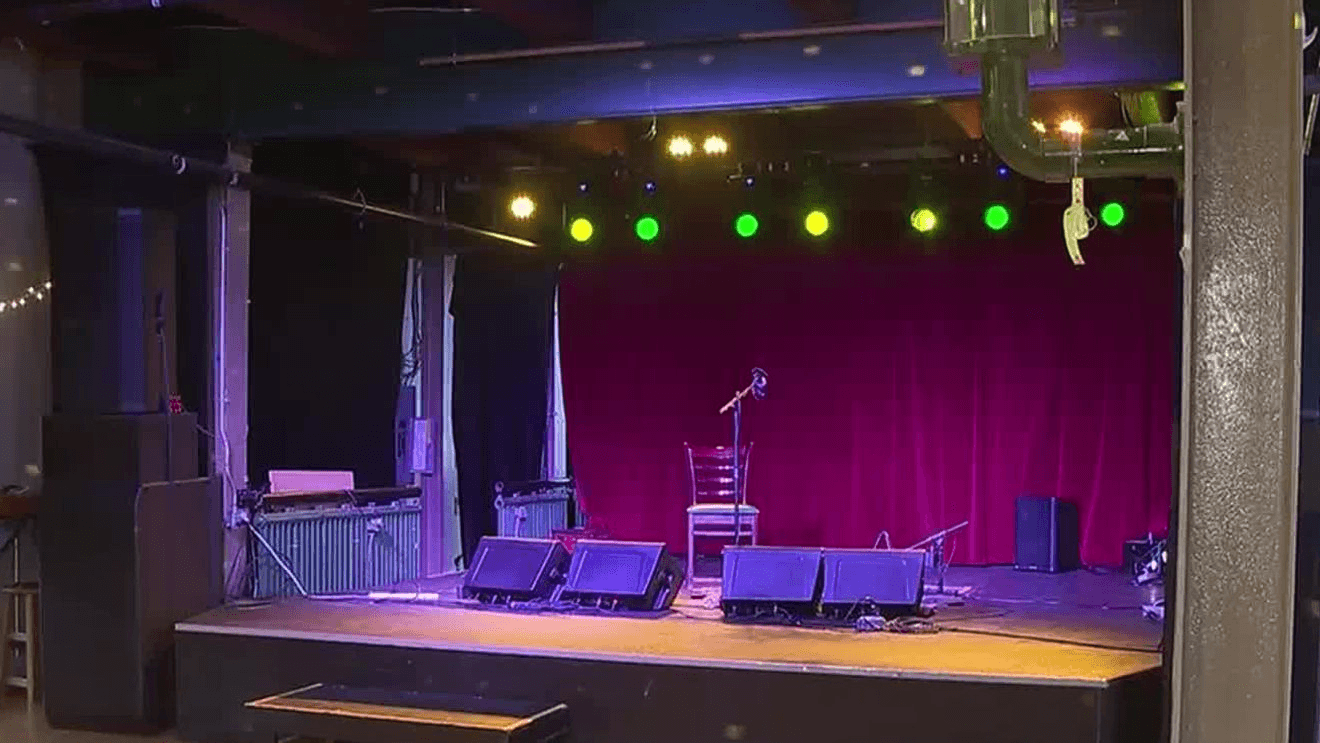
HARRISBURG, Pa. (WHP) — Live music venues and promoters are giving their two cents on Harrisburg’s amusement taxes, also known as the entertainment tax.
The conversation was sparked by leaders accusing the Harrisburg Midtown Art Center (HMAC) of failing to pay the city’s amusement tax for years.
“You have to pay your taxes. I mean, who doesn’t pay their taxes?” John Harris, a talent buyer with XL Live, said. “It’s a necessity because the economy needs the taxes to provide services to the people.”
READ MORE | HMAC responds to Harrisburg claims it withheld entertainment taxes as closure looms
Along with an understanding of their responsibility comes a renewed call for change. Harris said the amusement tax sometimes deters small businesses from hosting shows in Harrisburg.
“I do think that the city should think about working with smaller, independent venues on giving them a fair tax rate,” Danny McCoy, the talent buyer and creative director with Moon Peak Productions, said.
In Harrisburg, an amusement tax is 10% of the price of every ticket sold.
“This started in the ’80s during the (Stephen) Reed administration,” Harris said. “It was a direct result of what was going on on City Island for concerts at the time, which I was involved in.”
Times are changing, though, Harris said.
According to a recent study by the National Independent Venue Association (NIVA), Harrisburg’s live entertainment scene generated $4.8 million in state and local taxes, but only 12% of independent live stages were profitable in 2024.
“The ticket prices go up, and it’s some people can’t afford to buy a ticket for a show, and people are drinking a lot less,” Harris said.
“We’ve been lucky enough to see success, but yeah, it makes it challenging for us,” McCoy said. “I think our city should look at other cities in Pennsylvania and their amusement tax rates, like Philly and Pittsburgh, which are 5%, and look at comparing Harrisburg to those cities. We’re nowhere near them in terms of population or just how their economies are doing, and having this kind of tax hurts.”
Until there’s a change, both McCoy and Harris said it’s all about building a business model that works, which can involve sacrifice.
“(In the first year), we would eat the tax. In other words, we would pay $1 out of the $10 for the tax.” Harris said. “After opening for a year or two — I mean, we’re 8. We’re only 8 years old — but after a year or two of doing that, we added the tax.”
“We build the tax into our ticket cost and into our contracts with artists,” McCoy said. “So we account for it all the time. But that event can still not be profitable, and we still pay for it on all of our events.”
CBS 21 News asked city solicitor Neil Grove what he would say to those who claim the 10% tax on ticket sales is too high, but we have not heard back.
‘ The preceding article may include information circulated by third parties ’
‘ Some details of this article were extracted from the following source local21news.com ’