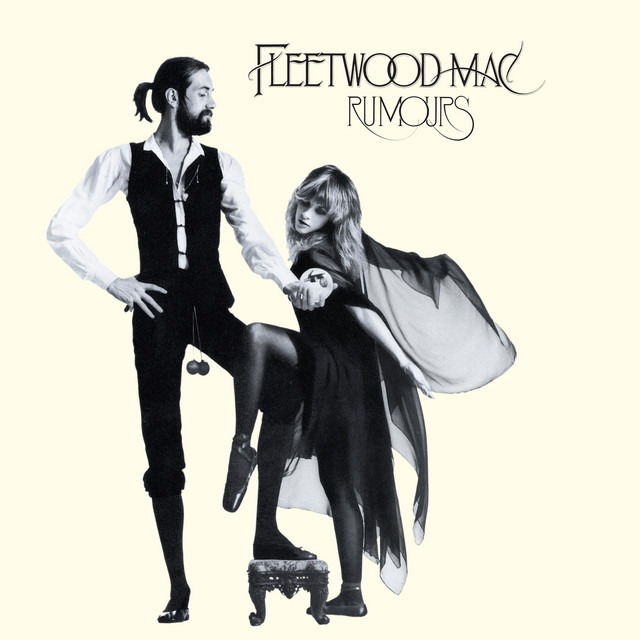
There’s a lesson sitting inside Fleetwood Mac’s streaming numbers that every label, manager, and publicist should tattoo on the back of their hand: a great song is never finished doing its job. It just waits for the right moment, the right platform, and the right person to press play in front of an audience that has never heard it.
Start with the moment everyone remembers. In late 2020, an Idaho warehouse worker named Nathan Apodaca filmed himself longboarding to work, swigging Ocean Spray cranberry juice and lip-syncing to ‘Dreams’ because his car had broken down. The fifteen-second clip sent sales and streams of a 1977 song skyrocketing, and the results were staggering. “Dreams” jumped 125 percent to 8.47 million streams in a single week, re-entered the Billboard Hot 100 at number 21, and topped the Rock Digital Song Sales chart. Streams of the band’s entire discography doubled.
Here’s the part the industry should study most closely: what the band did next. This is where catalogue management becomes an art form. Fleetwood Mac’s team did not sit back and let the algorithm do the work. The official account posted a simple three-word tweet, “We love this!”, which drew over 70,000 retweets and half a million likes. Mick Fleetwood joined TikTok specifically to recreate the video, and Stevie Nicks laced up roller skates and posted her own version. Fleetwood Mac’s management group, Shelter Music, deliberately seized the opportunity to get the band engaged with the moment. They met the audience on its own platform, in its own language, without a hint of corporate stiffness. As Shelter’s CEO put it, you cannot script a moment like that, but you can absolutely decide whether to show up for it.
That instinct is the whole game. A viral spark dies in a day if the artist ignores it. Fleetwood Mac treated theirs like the beginning of a relationship, and the long-term impact proved to be far more than a viral moment, keeping the track on Billboard’s Rock Streaming Songs chart for years afterward. The “Dreams” sound now has millions of posts on TikTok, each one a tiny piece of free promotion handed to the band by people who were toddlers, or unborn, when the song first charted.
And it keeps happening, because the groundwork is laid. In early 2026, the original “Landslide” recording charted in the UK for the very first time, driven by its placement in the Stranger Things finale, entering as the highest new entry of the week. The ripple lifted the band’s 2018 compilation ’50 Years – Don’t Stop’ to a new all-time UK peak, while “Dreams,” “Everywhere,” and “The Chain” all returned to the Top 100. A sync placement, a TikTok trend, a remaster, a reissue: each is a fresh on-ramp to the same timeless catalogue. By 2026, Fleetwood Mac is frequently cited as the classic rock band with the most monthly listeners, often neck-and-neck with Queen.
So what is the takeaway for anyone working a catalogue, whether it belongs to a legend or a local act with three good singles? First, your back catalogue is an asset, not a museum piece, so keep it streaming-ready with clean metadata and strong playlist placement so it’s there when lightning strikes. Second, when a moment arrives, move fast and move human; an artist who joins the joke wins the room, while one who stays silent watches the spark fade. Third, chase the platforms where discovery actually happens now, from TikTok to TV syncs, because that’s where a new generation meets old songs. And fourth, remember that authenticity is the product. Audiences came to Fleetwood Mac for the warmth of real instruments and real heartbreak, and no marketing budget can manufacture that. You can only set the table and let the song do what great songs always do, which is find the next person who needs to hear it.
‘ The preceding article may include information circulated by third parties ’
‘ Some details of this article were extracted from the following source www.thatericalper.com ’