Video games used to sit in their own lane, mostly separate from mainstream entertainment coverage. That line is a lot blurrier now. Actors talk openly about the games they play, major stars show up in game-related promotions, and Hollywood keeps mining gaming franchises for film projects. The result is that games are no longer just adjacent to entertainment culture. They are part of it.
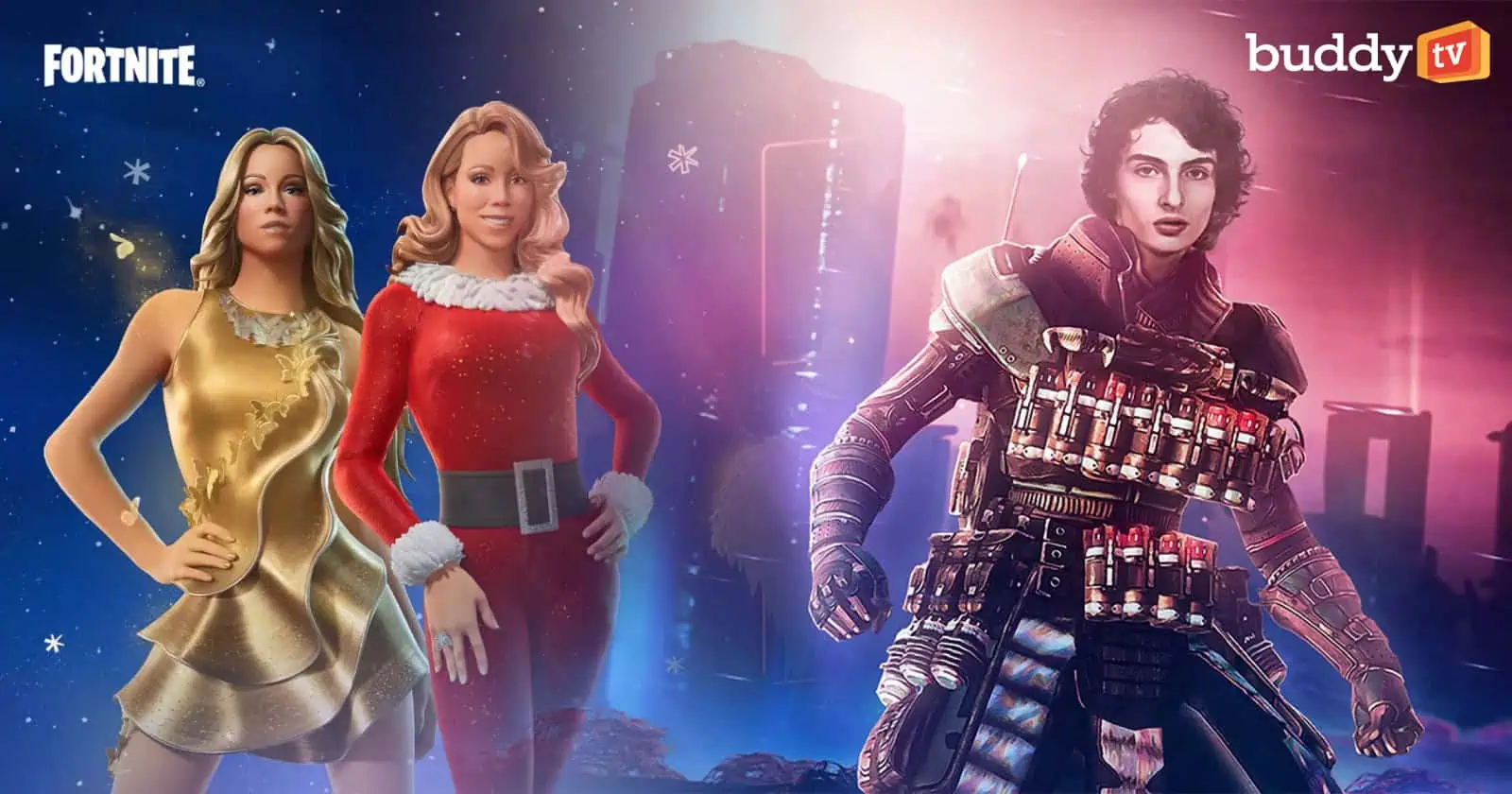
A clear example came from Stranger Things star Finn Wolfhard, who joined PlayStation’s Playmakers program and told Entertainment Weekly he genuinely enjoys gaming. That kind of crossover matters because it shows how natural gaming has become in the public identity of younger screen stars. It no longer feels like a niche hobby that celebrities mention once and move on from. It feels like part of the same fandom ecosystem that already includes movies, television, streaming, and music.
The crossover is not limited to actors who would typically be labeled “gamers,” either. In late 2024, Mariah Carey told People that her son taught her how to play Fortnite while discussing her involvement in the game’s Winterfest event. That is the kind of story that would have seemed unusual years ago, but now it fits neatly into how entertainment brands and celebrity culture operate. A global music star appearing in a major game event is no longer a strange detour. It is a mainstream promotional move.
Hollywood’s interest in gaming is also becoming harder to ignore. In October 2025, The Hollywood Reporter reported that Taylor Sheridan and Peter Berg were developing a Call of Duty movie for Paramount and Activision. That is not a minor side project. It is a sign that game franchises are being treated as serious source material by major film talent and studios looking for recognizable worlds with built-in audiences.
Part of the reason this crossover keeps growing is that modern games now offer more than just casual play. They create stories, rivalries, communities, and status systems that are easy for mainstream audiences to understand, even if they do not play regularly themselves. Competitive modes in particular help explain the appeal. In Destiny 2, for example, Trials of Osiris has become one of the game’s most recognizable high-pressure competitive formats, built around teamwork, performance, and exclusive rewards. Those are the same ingredients that tend to make reality shows, sports, and elimination-based entertainment so compelling in the first place.
That helps explain why gaming now keeps turning up in entertainment conversations. The industry is no longer dealing with a hobby that feels separate from the rest of pop culture. It involves a medium that naturally overlaps with celebrity branding, fandom, live events, and franchise storytelling. Once actors are discussing games in interviews, music stars are appearing inside major titles, and filmmakers are adapting gaming properties for the big screen, the old wall between “entertainment news” and “gaming news” starts to look pretty outdated.

With a collective experience in film analysis and entertainment journalism, our team, comprised of avid movie buffs, has always been on the frontline of exploring cinematic universes, from the enchanting realms of Disney to the action-packed scenes of the MCU.
Our passion has led us to exclusive interviews with notable figures, early access, and active participation in the industry.
Recognized by the press, we dive deep into various genres, including drama, cartoons, comedy, and foreign films, always eager to bring fresh insights to our readers.
Connect with us or explore our journey to learn more about our adventures in unraveling the magic of the big screen.
‘ The preceding article may include information circulated by third parties ’
‘ Some details of this article were extracted from the following source www.buddytv.com ’