In nineteenth century Italy, opera was so popular — and lucrative — that opera composers hardly wrote any other music.
But when these composers were just starting out, they typically wrote all sorts of pieces, and those can offer an interesting window into their artistic evolution.
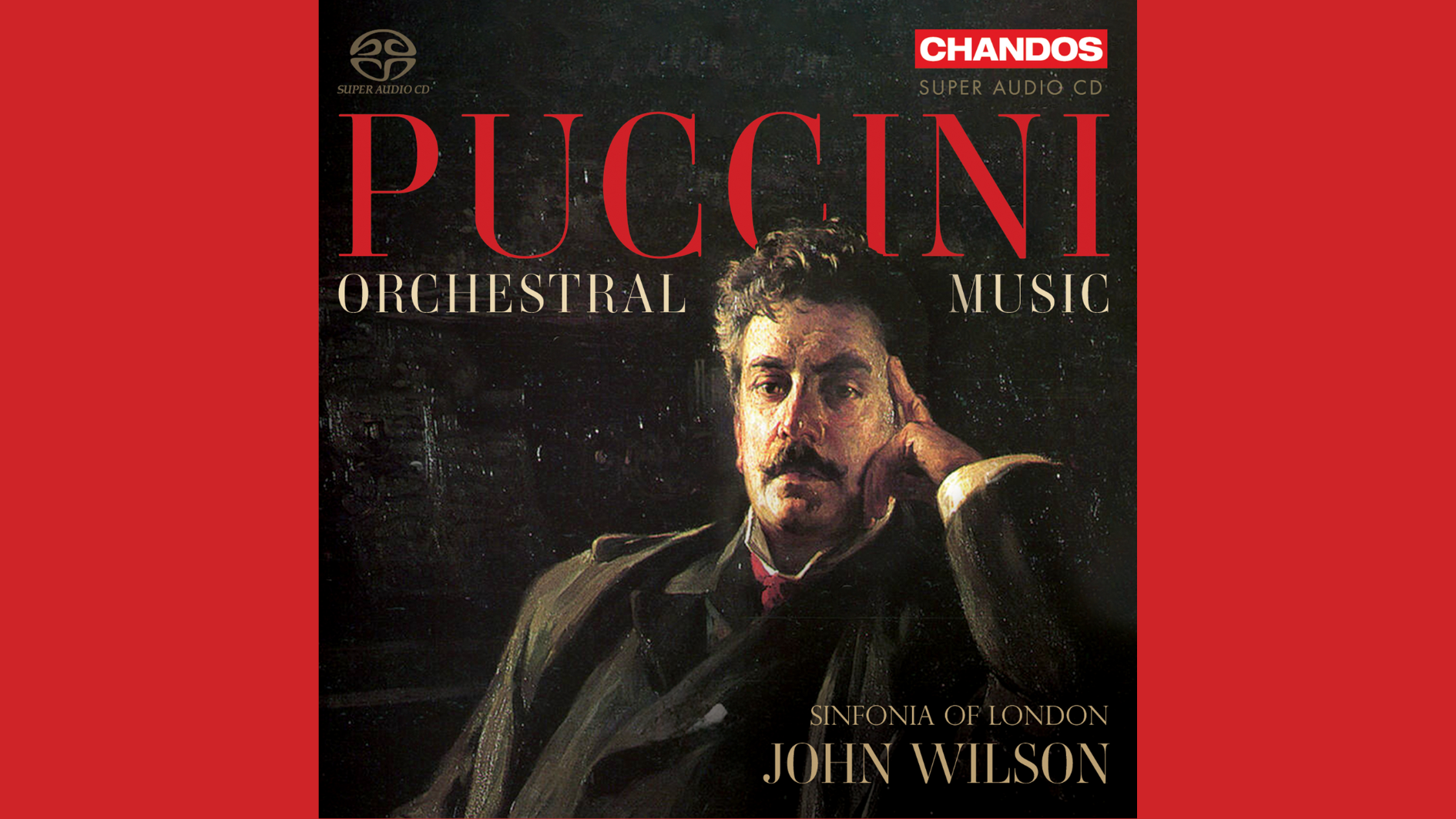
This new album from conductor John Wilson reexamines some early orchestral works by a composer virtually synonymous with opera: Giacomo Puccini.
Understanding Wisconsin, Together.
WPR’s “Wisconsin Today” newsletter keeps you connected to the state you love without feeling overwhelmed. No paywall. No agenda. No corporate filter.
Since reestablishing the Sinfonia of London in 2018, Wilson has gone on to make an astonishing 29 albums with the group. Many of these recordings have been honored with some of the industry’s top awards, but even in their company, this new album is a standout: It brings together almost all of the instrumental works that we know about from Puccini’s first decade as a composer, plus some of his earliest opera preludes.
But while many of these works will seem obscure, they might sound familiar to opera fans. Never one to let a good melody go to waste, Puccini recycled a few of them into his later operas.
A highlight of the album is a string orchestra version of “Crisantemi” (“Chrysanthemums”), a musical elegy for Amadeo di Savoia, an Italian prince who briefly ruled as King of Spain in the 1870s. Amadeo spent his final years in Turin, where he struck up a somewhat improbable friendship with Puccini, still early in his career.
When he heard of his friend’s passing in 1890, Puccini wrote this short piece, naming it after the Italian flower of mourning. Parts of it would go on to accompany a pensive scene in his breakthrough opera, “Manon Lescaut”:
The earliest work included here — and perhaps the least Puccinian — is the “Prelidio Sinfonico” from 1882. A student work from the composer’s time at the Milan Conservatory, the piece shows Puccini coming to terms with the pervasive influence of Richard Wagner, and in particular the romantic Prelude from Wagner’s opera “Lohengrin,” which was still making waves more than a decade after its Italian premiere:
In addition to these and other purely instrumental works, this new album includes a few orchestral interludes from Puccini’s three earliest operas “Manon Lescaut,” “Edgar” and “La Villi.”
Written for a one-act opera competition in 1883, “La Villi” was Puccini’s first music for the opera stage. And although it didn’t win, its premiere the following year set Puccini on an entirely new career path.
One excerpt on this set is the exciting witches’ sabbath scene, where the evil spirits, or villis, are summoned for the first time:
Whether you’re an opera lover or not, there’s plenty to discover on this album, all of it excellently played with interesting ideas from the podium.
Wilson’s survey of Puccini’s orchestral music is available now on the Chandos label.
‘ The preceding article may include information circulated by third parties ’
‘ Some details of this article were extracted from the following source www.wpr.org ’