The Joshua Tree Music Festival has built a loyal following for its eclectic performances, intimate desert setting, and vibrant community.
Twice a year, thousands gather in the Southern California desert to share in a weekend of music, art, and connection. But the magic of the festival is fleeting – as soon as the weekend ends, the stages go dark, and those moments become memories. For fans who want to relive the magic or for those unable to attend in person, the experience simply disappears once the desert winds down.
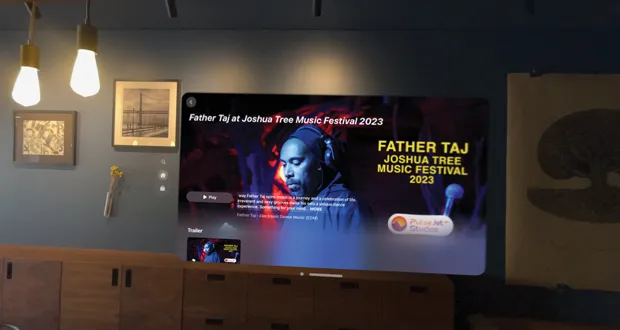
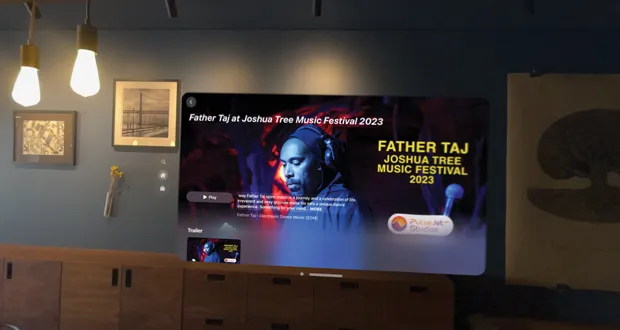
The challenge was clear: how could Joshua Tree share its community-driven magic beyond the desert, without compromising the authenticity of its live experience? Enter immersive experience specialist, PulseJet Studios which has been working with Joshua Tree to create VR recordings of some of the festival’s most exciting performances, designed not just for playback but for immersion and connection.
Using VR capture and rendering, PulseJet has recreated the atmosphere of Joshua Tree’s desert stages, capturing both the performance and the energy of the crowd. Fans can experience these sets from home and feel like they were transported back into the desert under the stars.
Artists themselves immediately saw the power of VR to deepen connection. Says Lil’ Chris, DJ: “Music is all about connection and sharing who I am in the most vulnerable way.”
Adds Nicky Genesis, DJ/Producer: “Being able to watch and relive my set again in VR was pretty mind-blowing. It takes it from being a memory to a fully immersive experience and that is not only really cool but a step towards the future of entertainment.”
Approach
To bring Joshua Tree Music Festival into VR, the PulseJet team uses a combination of high-end recording technology and creative direction.
Several 360-degree cameras are placed strategically across the venue to capture performances from multiple vantage points, from stage to crowd. These cameras, paired with advanced VR recording equipment, allow every angle of the festival to be translated into an authentic, lifelike environment.
Layering perspectives create the energy of a live set, from the intimacy of a close-up performance shot to the panoramic view of the desert crowd. The result is more than a recording: it feels like stepping inside the festival, surrounded by the sound and presence of the artists.
Results
So not only were audiences able to immerse themselves in performances that they otherwise would have missed, but performances that once disappeared after a weekend can now be experienced anytime.
VR content has also created pathways for Joshua Tree and its artists to reach global audiences beyond the desert, and deepened fan connection: Artists and fans alike described the VR experience as transformative – moving from memory into true immersion.
‘ The preceding article may include information circulated by third parties ’
‘ Some details of this article were extracted from the following source www.avinteractive.com ’