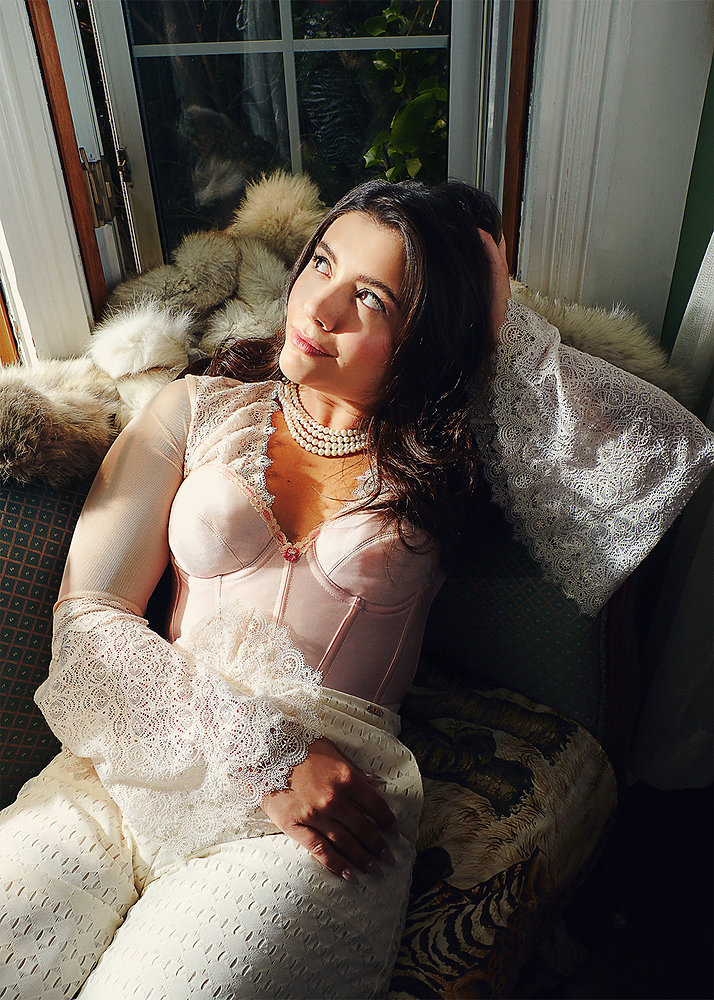
After stepping away from the traditional music industry model and spending five years rebuilding her artistic identity from the ground up, Ana Golja returns with a statement of purpose. Her new single, “Can’t Walk All Over Me,” marks the beginning of a new era defined by creative independence, emotional honesty, and the courage to choose self-respect over approval.
Best known to many as an actress, Ana Golja proves that music has always been at the core of her creative identity. Drawing inspiration from timeless soul influences like Amy Winehouse, Etta James, and Nina Simone, she delivers a performance that feels both classic and refreshingly personal. Her vocals carry conviction, allowing every lyric to land with authenticity rather than melodrama.
Rather than positioning itself as another breakup anthem, “Can’t Walk All Over Me” explores the moment when patience gives way to self-worth. It’s a song about recognizing unhealthy patterns, setting boundaries, and understanding that love should never require sacrificing your own value. That perspective gives the single an emotional maturity that extends well beyond romantic relationships, making its message universally relatable.
What makes the release especially compelling is the story behind it. While initially inspired by a personal relationship, Ana Golja later realized the song also reflected her decision to leave her former management team and take full ownership of her career. That parallel gives the track an added layer of meaning, transforming it into both a personal declaration and an artistic mission statement.
As the first release from an upcoming project centered on self-care, “Can’t Walk All Over Me” establishes an exciting foundation for what’s to come. Honest, soulful, and unapologetically self-assured, Ana Golja’s latest single isn’t about looking back. It’s about finally moving forward on her own terms.
After stepping away from your management team and spending five years rebuilding your music independently, what did you rediscover about yourself as both an artist and a person?
I rediscovered my own voice. For a long time I was looking outside myself for permission—for validation, for direction, for someone else to tell me what the right next step was. Walking away meant I had to trust my instincts again, and that wasn’t easy. It forced me to ask, “What kind of artist am I when no one else is making those decisions for me?”
The answer was surprisingly simple. I’m drawn to honest songwriting, soulful melodies, and music that doesn’t chase trends. Those are the records that made me fall in love with music in the first place, and coming back to that has felt like coming home. On a personal level, I also learned that choosing yourself isn’t selfish. Sometimes it’s the healthiest decision you can make, and everything I’ve written since then has come from that place.
“Can’t Walk All Over Me” is rooted in self-respect rather than heartbreak. Why was it important for you to frame the song as empowerment instead of simply moving on from a relationship?
Because the real turning point isn’t when someone leaves your life—it’s when you decide how you’ll allow people to treat you. The song started as a conversation about a romantic relationship, but over time I realized it reflected so many areas of my life, including my career. It’s about recognizing your worth and understanding that love, respect, and partnership should never require you to shrink yourself.
I wanted people to walk away feeling stronger, not sad. We’ve all experienced relationships where we gave more than we received, whether that’s with a partner, a friend, or even professionally. I hope the song reminds people that setting boundaries isn’t about pushing people away—it’s about making room for the relationships that genuinely value you.
This single is the first chapter in an album centered around self-care. How does “Can’t Walk All Over Me” establish the emotional foundation for the songs that follow?
To me, self-care isn’t just face masks and spa days—it’s making the difficult choices that protect your peace. Sometimes self-care looks like saying no. Sometimes it means walking away from something that no longer serves you, even if it’s scary.
“Can’t Walk All Over Me” is the moment where you reclaim your voice. The rest of the album explores what happens after that—learning to trust yourself again, finding joy, embracing vulnerability, and discovering that taking care of yourself can actually make you more open to loving other people. It’s really an album about coming back to yourself.
You’ve had successful careers in both acting and music. Has your experience portraying characters on screen influenced the way you tell deeply personal stories through your songwriting?
Absolutely. Acting taught me empathy. Every character has their own truth, and your job is to understand why they make the choices they do without judging them. I think that perspective naturally found its way into my songwriting.
The difference is that music doesn’t let me hide behind a character. As an actor, I can tell someone else’s story. As a songwriter, I have to tell my own. That honesty can be much more vulnerable, but acting gave me the confidence to explore emotions deeply and trust that if something feels specific to me, it’ll probably feel universal to someone else.
Your new music marks a return to the soulful influences that first inspired you while embracing complete creative independence. What do you hope listeners hear in this new era that sets it apart from everything you’ve released before?
I hope they hear confidence—not perfection, but confidence in knowing exactly who I am. This music isn’t trying to fit into a moment; it’s trying to create one that lasts.
Artists like Adele, Amy Winehouse, Olivia Dean, and RAYE have always inspired me because their music feels timeless. That’s what I wanted to create—songs that people can come back to years from now because they’re rooted in honest emotion rather than trends.
More than anything, I hope people hear freedom. Every decision on this project came from trusting my instincts (along with my production team) and I think there’s something incredibly powerful about creating from that place. If these songs encourage someone else to choose themselves, set healthier boundaries, or simply believe in their own voice a little more, then I’ve accomplished exactly what I hoped to.
‘ The preceding article may include information circulated by third parties ’
‘ Some details of this article were extracted from the following source www.buzz-music.com ’